Damper actuators are an essential component in the operation of HVAC (Heating, Ventilation, and Air Conditioning) systems. These devices control the opening and closing of dampers, which are movable barriers in ventilation ducts that regulate the flow of air or gas. By adjusting damper positions, damper actuators ensure the efficient performance of HVAC systems by controlling air flow, pressure, and temperature. In this article, we will delve into the workings, types, and applications of damper actuators in modern systems.
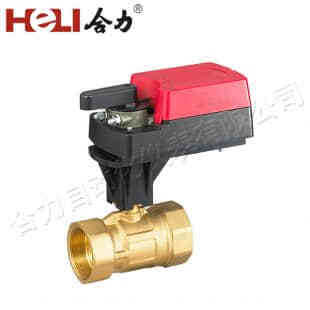
What Is a Damper Actuator?
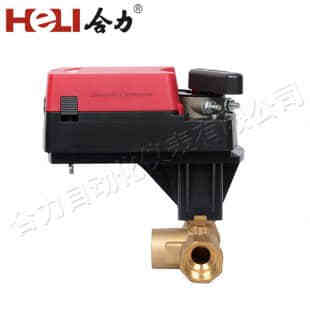
A damper actuator is a device used to drive the position of a damper in air ducts. The primary purpose of the actuator is to adjust the flow of air within the ventilation system by altering the damper’s opening size. This enables the HVAC system to maintain optimal conditions, such as temperature, humidity, and air pressure. Damper actuators can be controlled automatically through building management systems (BMS), which receive feedback from sensors monitoring temperature, humidity, and air quality. The actuator adjusts the damper based on the input from the control system, ensuring that the environment stays within predefined parameters.
Leave a Reply