Plastic valves for water systems have become an essential component in modern plumbing and industrial water systems. Known for their versatility, durability, and cost-effectiveness, these valves offer an excellent alternative to traditional metal valves. Whether used in residential water systems or large-scale industrial applications, plastic valves provide reliable solutions that cater to diverse needs. This article will explore the key benefits, types, and materials used in plastic valves, as well as their applications in various water systems.
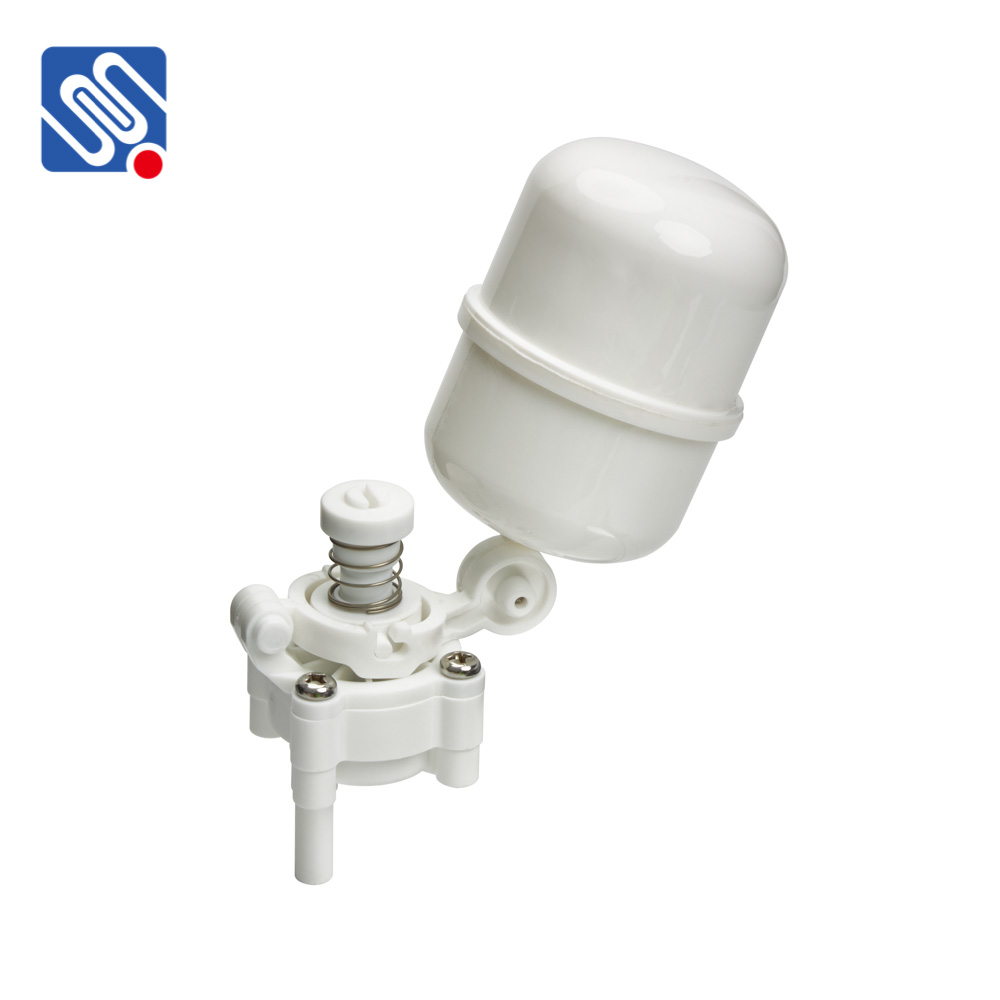
Key Benefits of Plastic Valves Corrosion Resistance One of the main advantages of plastic valves is their resistance to corrosion. Unlike metal valves, which can rust and deteriorate over time when exposed to water, plastic valves do not face such issues. This makes them ideal for systems where water exposure is constant, such as plumbing, irrigation, and chemical processing systems. Corrosion resistance ensures that plastic valves last longer, reducing the need for frequent replacements. Lightweight and Easy to Install Plastic valves are significantly lighter than metal valves, making them easier to transport and install. This feature reduces the overall installation costs and time, especially in large-scale projects where hundreds of valves may be required. Additionally, the lightweight nature of plastic valves ensures that they can be handled and maneuvered with ease, even in tight spaces or elevated locations.
Leave a Reply