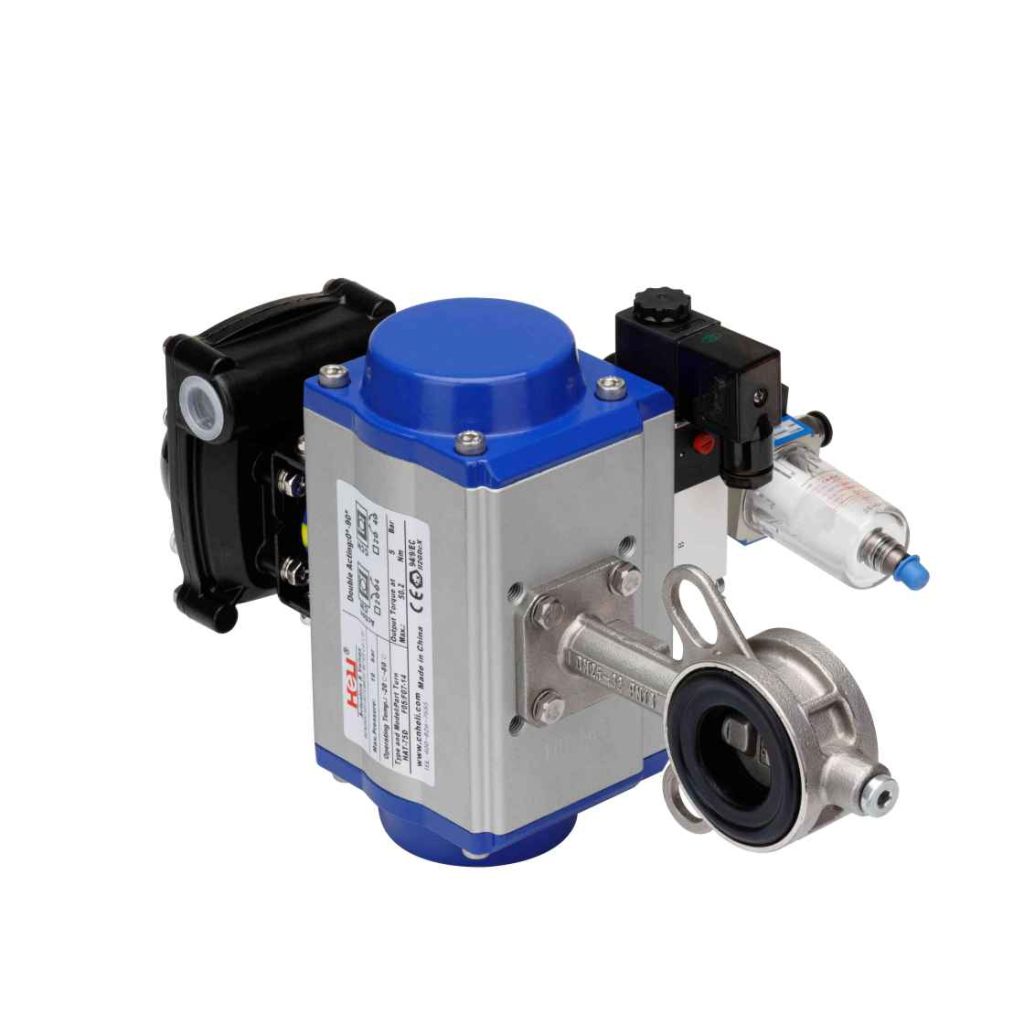
The WCB Pneumatic Butterfly Valve is a crucial component in modern industrial flow control systems. Widely used in applications ranging from water treatment to the oil and gas sector, this valve stands out due to its efficient design, ease of use, and reliable performance. This article explores the features, advantages, and various applications of the WCB Pneumatic Butterfly Valve.
What is a WCB Pneumatic Butterfly Valve?
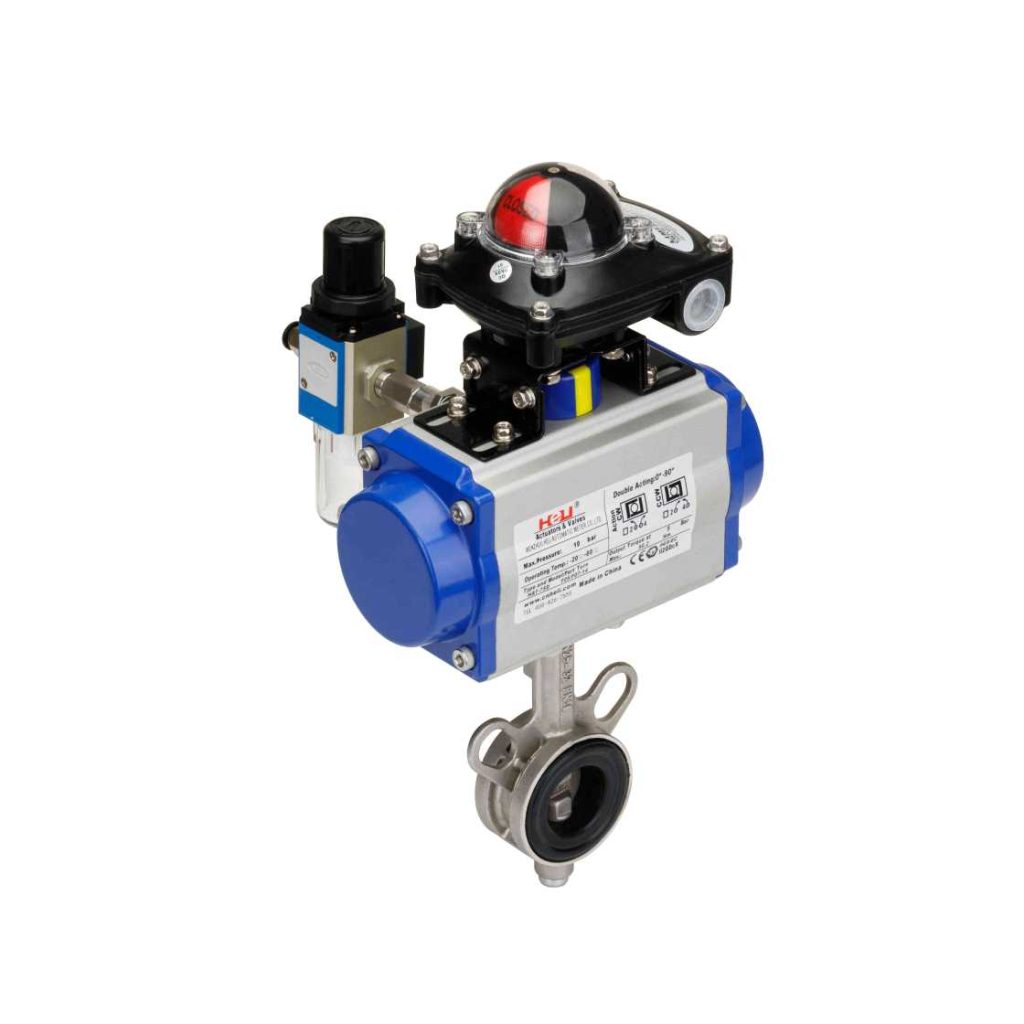
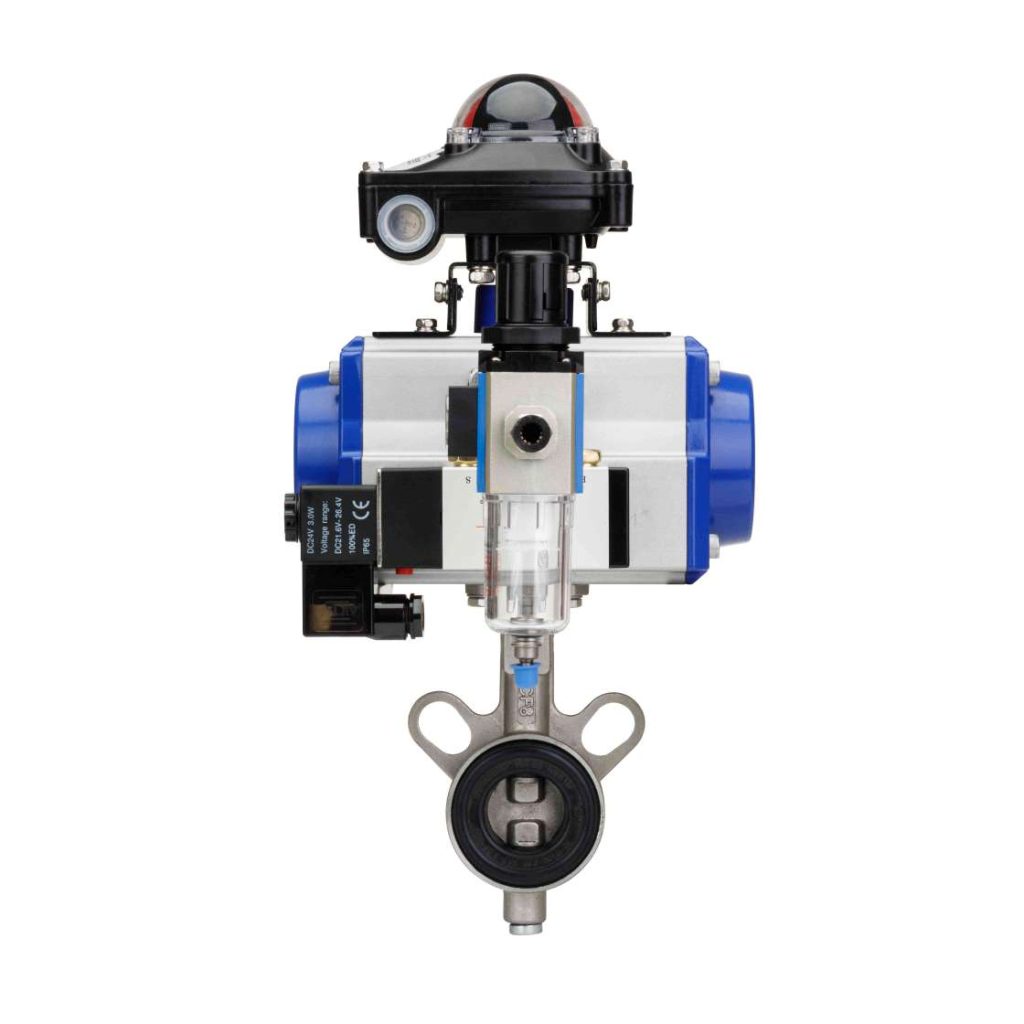
A WCB Pneumatic Butterfly Valve is a type of valve used for controlling the flow of liquids, gases, and other substances in pipes. Its most distinctive feature is the butterfly-shaped disk that rotates to open or close the valve. The “WCB” designation refers to the material used in the valve’s construction: WCB is a code for cast carbon steel, which is commonly chosen for its balance of strength and durability under moderate to high-pressure conditions. The pneumatic actuator, which powers the valve’s opening and closing functions, is driven by compressed air, allowing for rapid and precise control. This is particularly advantageous in automated systems, where remote control and fast response times are essential.