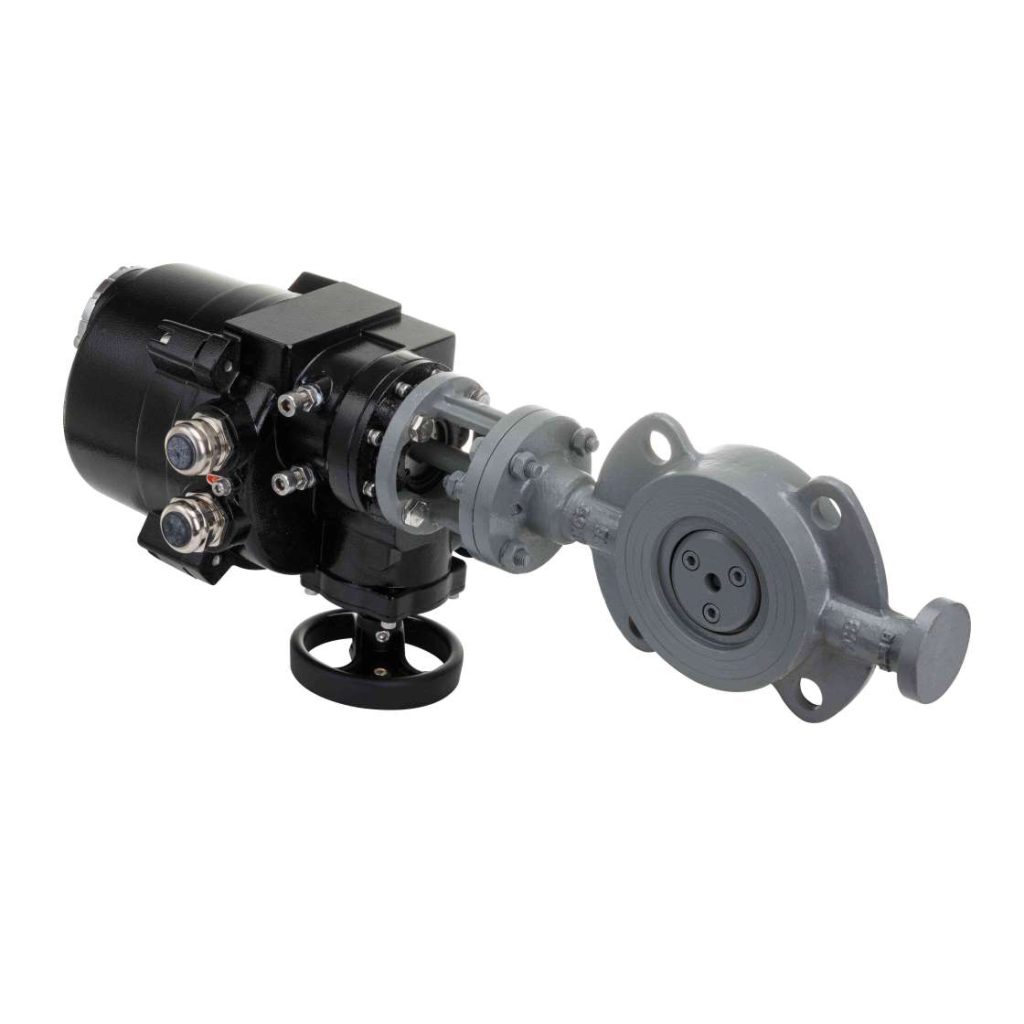
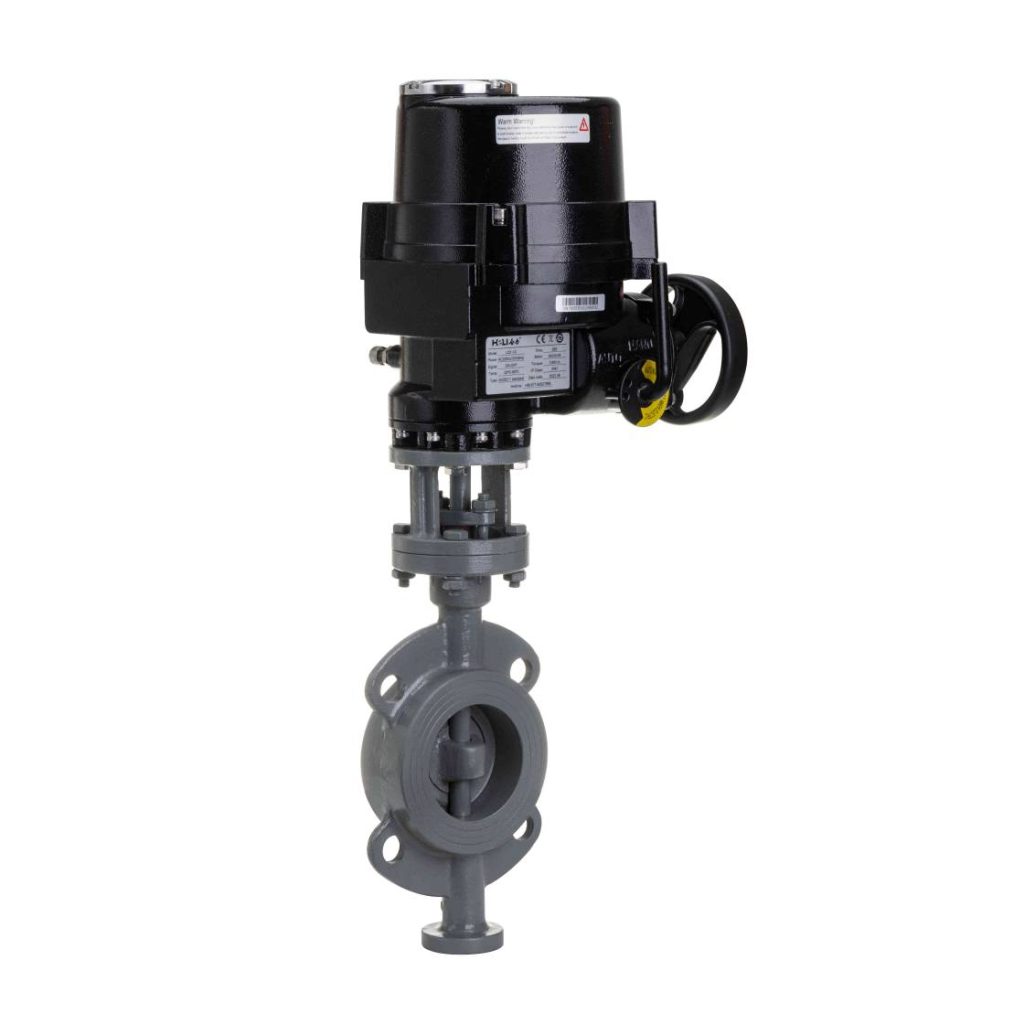
The WCB Marine Electric Butterfly Valve is a critical component in modern marine engineering, providing efficient flow control in a variety of applications onboard ships and offshore platforms. Designed with a durable carbon steel body (WCB) and paired with an electric actuator, this valve system offers an excellent solution for regulating the flow of liquids, gases, and vapors in harsh marine environments. In this article, we will delve into the features, advantages, and applications of the WCB Marine Electric Butterfly Valve, as well as its importance in maintaining the operational efficiency and safety of marine systems.
Understanding the WCB Marine Electric Butterfly Valve
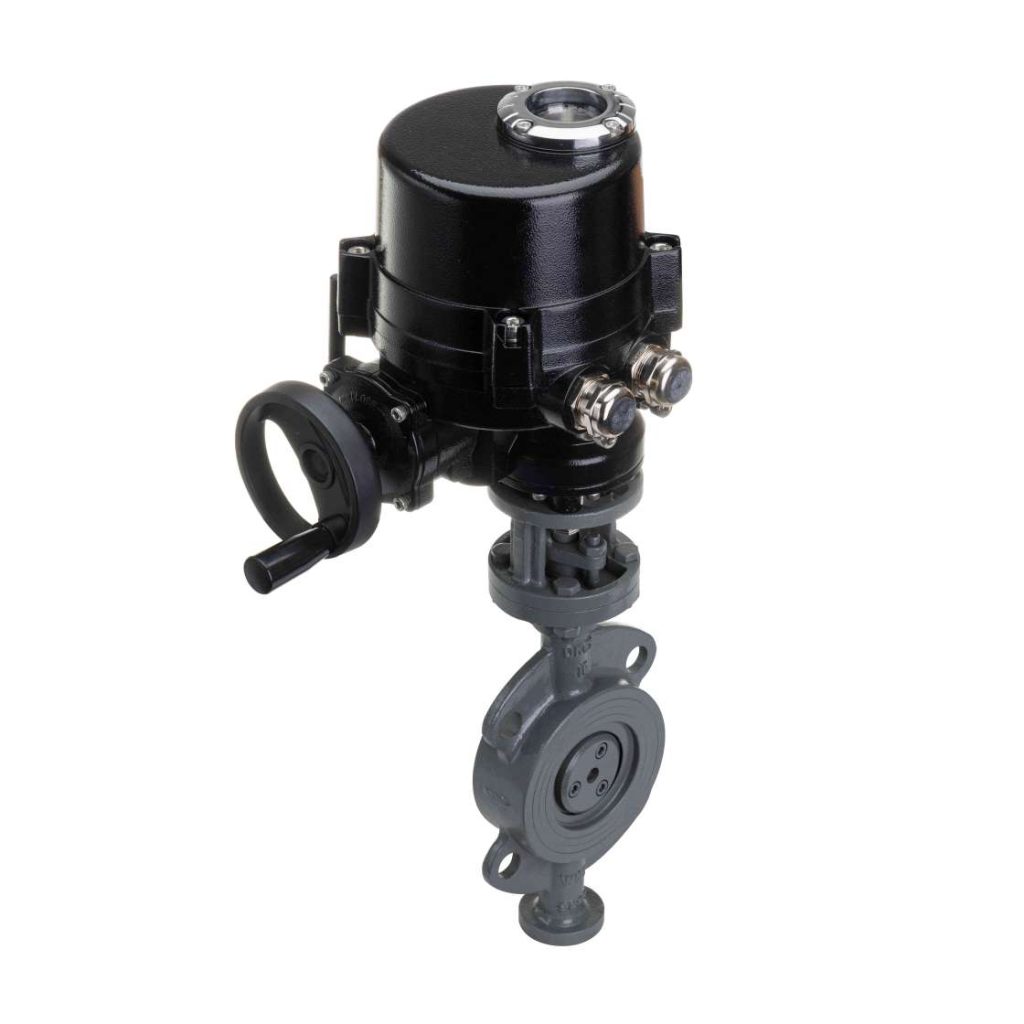
At its core, the WCB Marine Electric Butterfly Valve combines the fundamental characteristics of a butterfly valve with the automation capabilities of an electric actuator. The valve body is typically constructed from WCB carbon steel, known for its impressive strength and resistance to general corrosion. However, in the demanding marine environment, additional coatings or treatments are often applied to further enhance the valve’s resistance to seawater corrosion. The butterfly valve itself is a quarter-turn valve that uses a rotating disc to regulate the flow of substances. Its simple yet effective design allows for minimal pressure drop while enabling quick and precise flow control. Paired with an electric actuator, the valve can be controlled remotely, offering significant operational flexibility and enhancing automation systems aboard vessels and platforms.