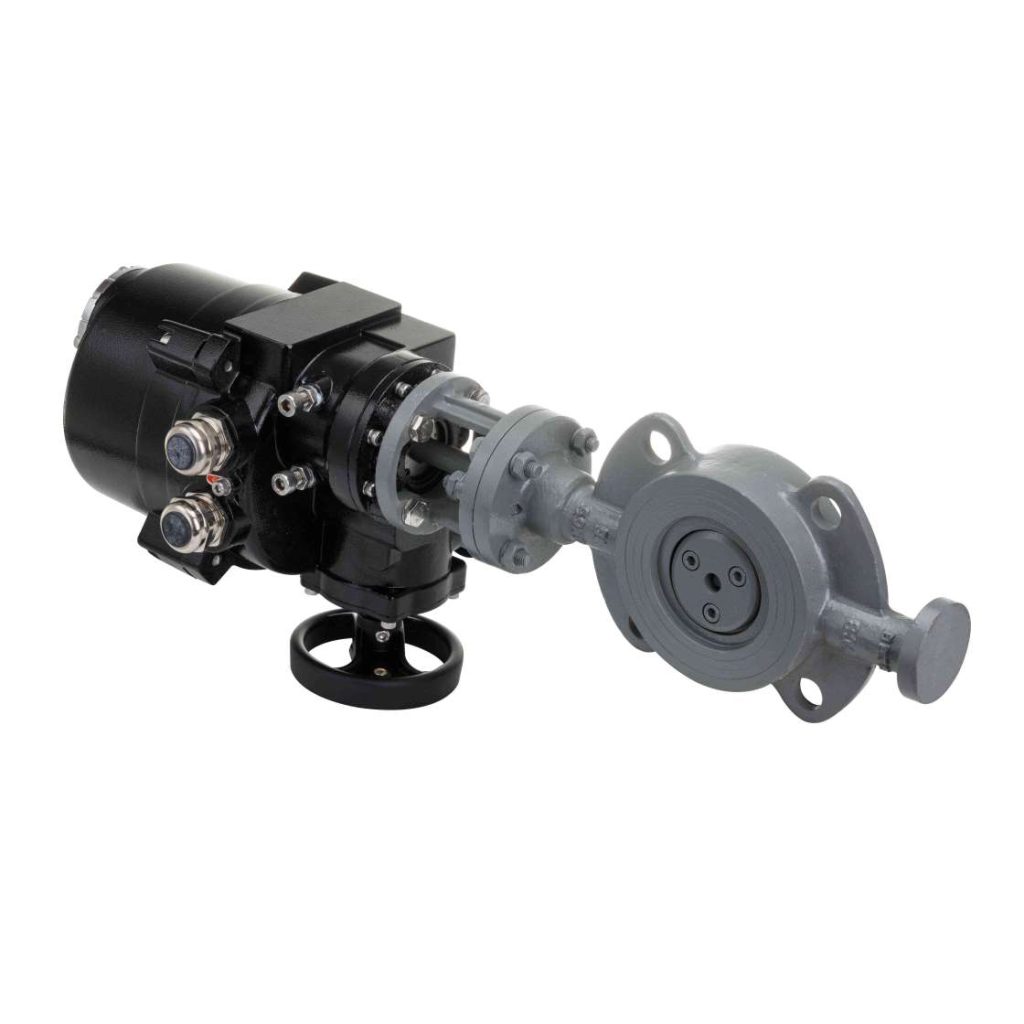
The WCB Marine Electric Butterfly Valve is an essential component in marine and offshore engineering, designed to manage fluid flow in critical systems aboard ships and offshore platforms. This type of valve combines the efficiency of butterfly valve technology with the convenience of electric actuation, making it a reliable solution for various fluid control applications. This article aims to provide a detailed overview of the WCB Marine Electric Butterfly Valve, highlighting its features, advantages, and applications.
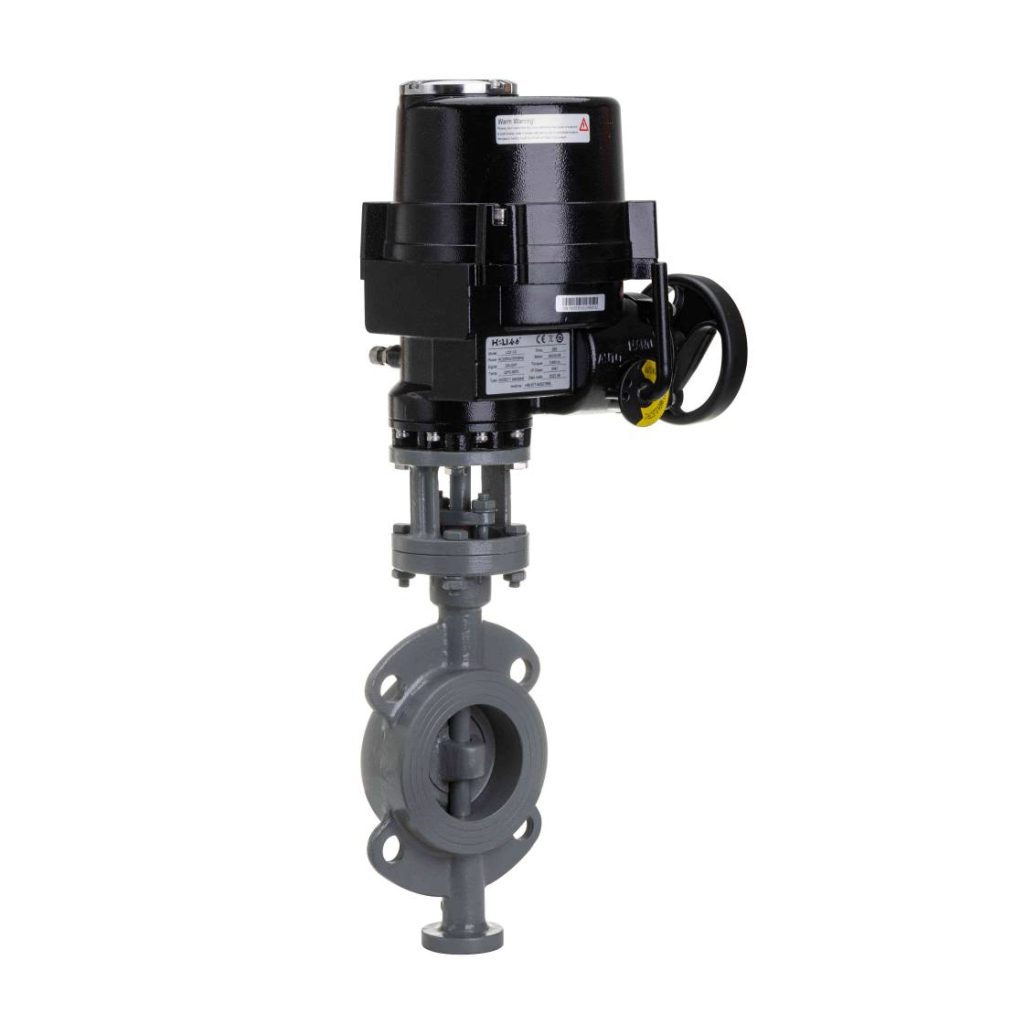
1. Introduction to WCB Marine Electric Butterfly Valve
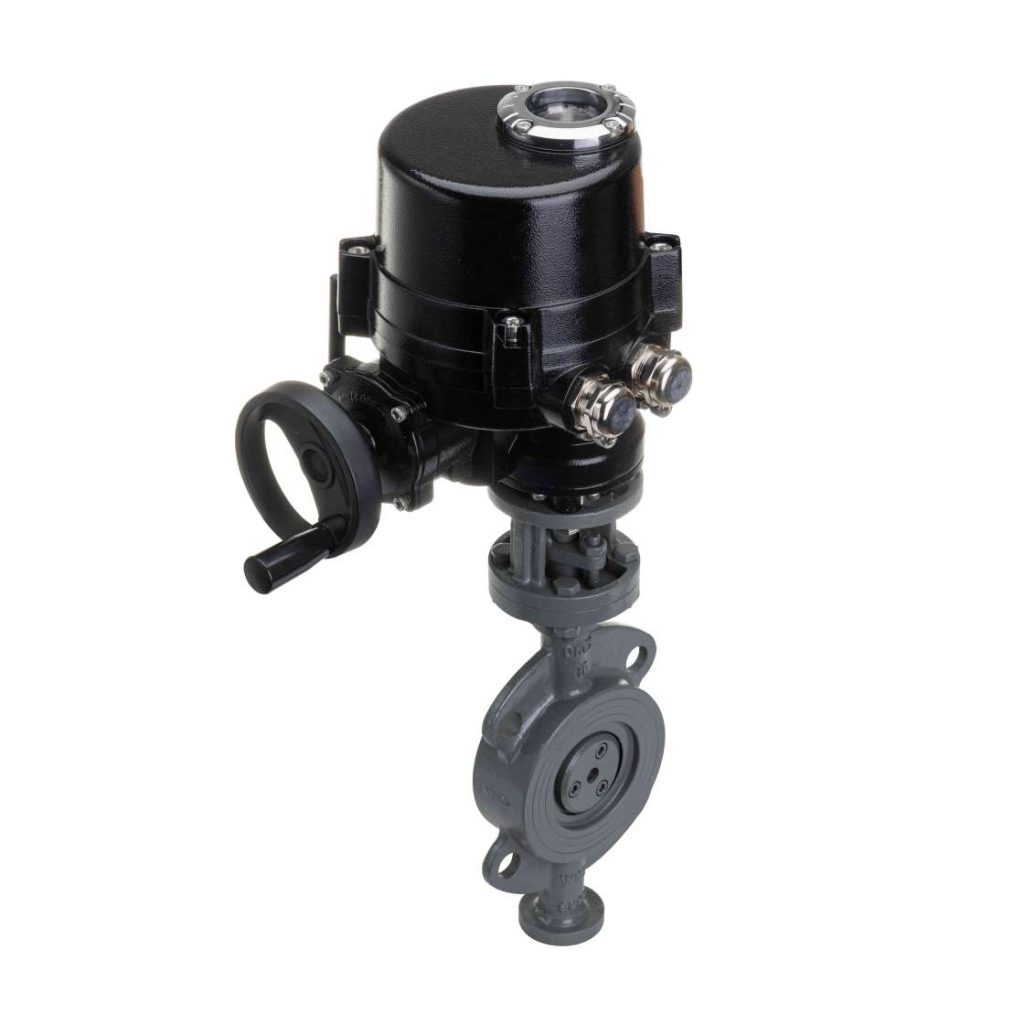
The WCB Marine Electric Butterfly Valve is constructed from WCB, a type of carbon steel that is known for its durability and resistance to corrosion. In the harsh marine environment, where equipment is frequently exposed to saltwater, high humidity, and extreme temperatures, materials like WCB are chosen for their ability to withstand these conditions. The valve’s electric actuator allows for remote control and automation, providing precise, responsive flow control without the need for manual operation. The butterfly valve design is characterized by a rotating disc or vane that regulates the flow of fluids. When the actuator rotates the disc, the valve opens or closes, controlling the passage of the fluid. This design is simple yet effective, offering fast operation and low resistance to flow.