The WCB Electric Two-Seat Regulating Valve is a pivotal device used in various industrial applications, particularly in fluid control systems, where precision and reliability are key to optimal performance. Designed to regulate the flow of liquids and gases, this valve combines electric actuation with a two-seat design, making it a versatile and highly efficient choice for many industries. This article will explore the design, functionality, advantages, and applications of the WCB Electric Two-Seat Regulating Valve, highlighting its role in enhancing operational efficiency and ensuring precise control over process variables.
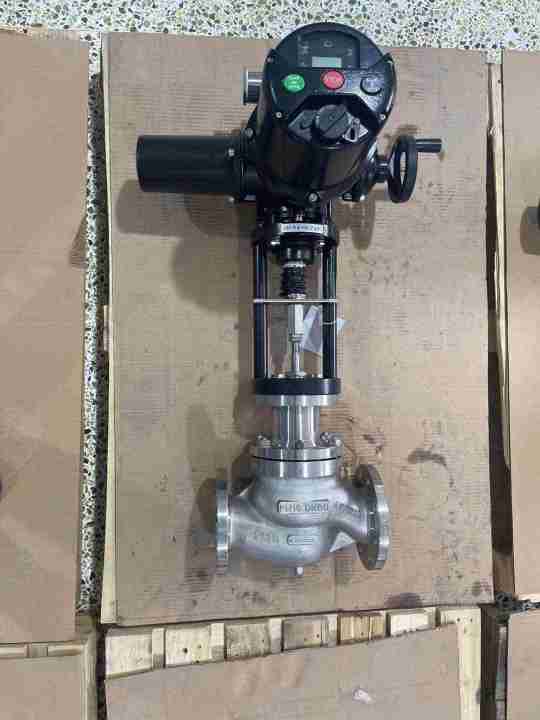
Design and Functionality The WCB Electric Two-Seat Regulating Valve operates with a two-seat valve mechanism, which means it has two sealing surfaces that work together to regulate the flow of fluids. These valves are typically made from WCB (Carbon Steel), known for its durability and resistance to wear and corrosion, ensuring that the valve can withstand demanding operational conditions. The electric actuator integrated into the valve provides precise control over the opening and closing of the valve, allowing for accurate regulation of the flow rate based on input signals from the control system.