The WCB Electric Single Seat Regulating Valve is a crucial component in fluid control systems, providing precise regulation of fluid flow, pressure, and temperature in a variety of industrial applications. Widely used across industries such as oil and gas, chemical, water treatment, and power generation, these valves ensure efficient, accurate, and reliable control of processes that require highly regulated fluid movements. This article explores the working principle, benefits, applications, and maintenance of the WCB Electric Single Seat Regulating Valve.
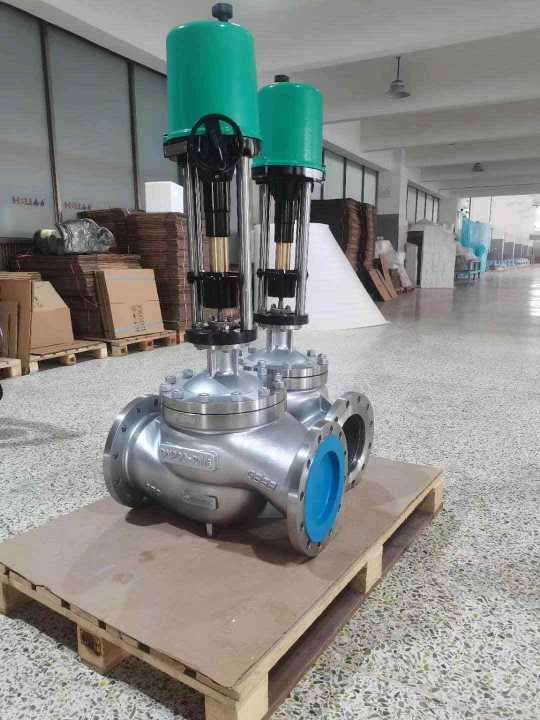
What is a WCB Electric Single Seat Regulating Valve? The WCB Electric Single Seat Regulating Valve is a type of valve that uses an electric actuator to regulate the flow of liquids or gases in a pipeline. The “single seat” design refers to the configuration where a single sealing surface is used to control the flow, offering simplicity and efficiency in fluid regulation. WCB, a common material code for carbon steel, ensures the valve’s strength, durability, and resistance to wear, corrosion, and high pressure, making it ideal for industrial environments. Working Principle of the WCB Electric Single Seat Regulating Valve