The WCB Electric Single Seat Regulating Valve plays a vital role in regulating the flow of fluids within a variety of industrial systems. Used extensively in applications that require precise control of fluid flow, these valves are crucial for maintaining process efficiency, improving safety, and ensuring that operations run smoothly. In this article, we will explore the working principle, benefits, applications, and key features of the WCB Electric Single Seat Regulating Valve.
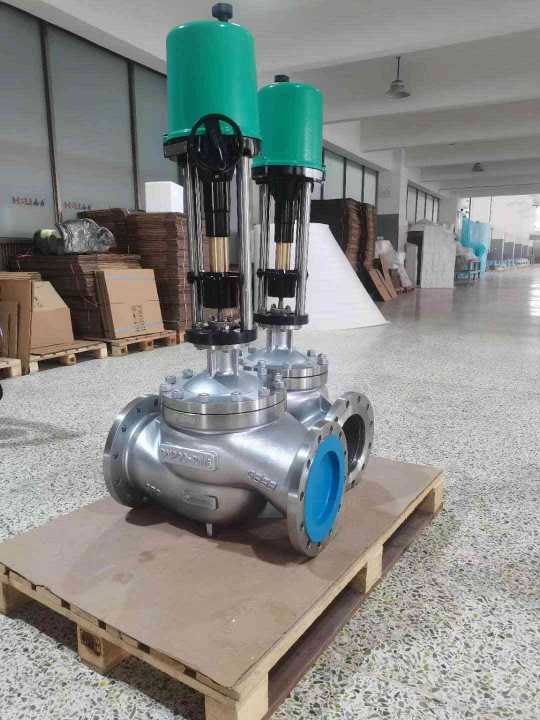
Understanding the WCB Electric Single Seat Regulating Valve The WCB Electric Single Seat Regulating Valve is a type of valve designed to control the flow of fluids with a single valve seat. It uses an electric actuator to adjust the valve position, enabling accurate regulation of flow rates. This type of valve is commonly employed in industries where maintaining consistent pressure and flow is critical to the process, such as chemical processing, power generation, and HVAC systems. The valve operates through an electric actuator, which is powered by an electrical signal. The actuator responds to changes in the signal to move the valve stem, opening or closing the valve as required. This operation allows the valve to modulate the flow of fluids precisely, making it an essential tool for applications that require fine control.