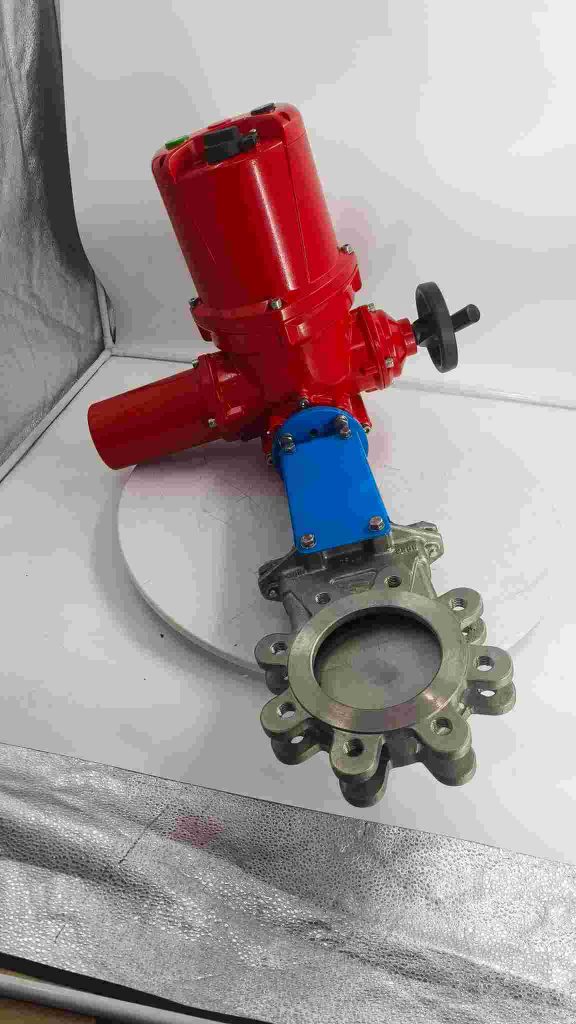
The WCB Electric Gate Valve plays a crucial role in various industrial applications, particularly in sectors that require high precision, reliability, and efficiency in fluid control systems. Designed to provide a reliable sealing mechanism, this valve is widely used in oil and gas, chemical, and water treatment industries. In this article, we will explore the features, applications, benefits, and considerations of the WCB Electric Gate Valve.
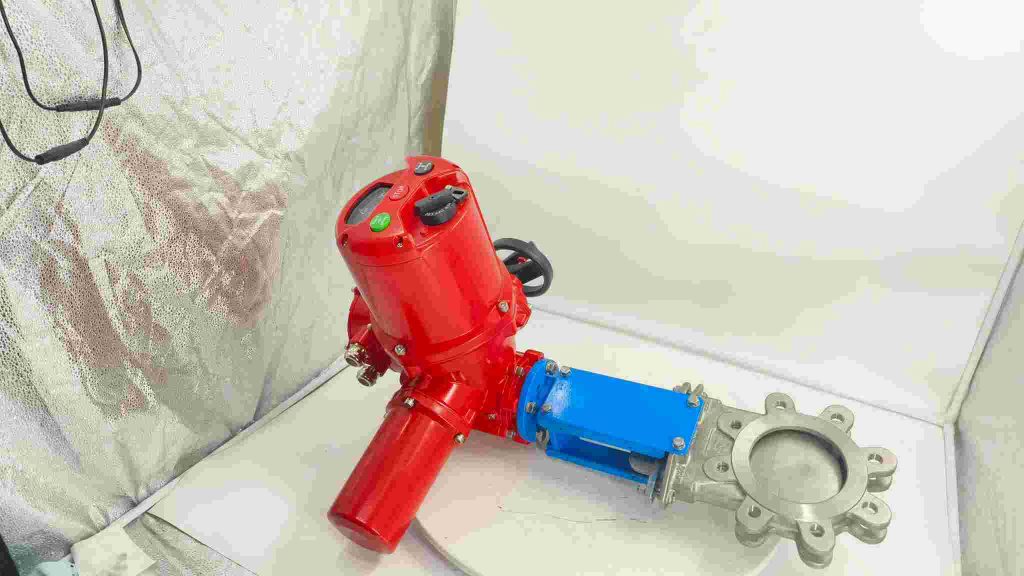
What is a WCB Electric Gate Valve?
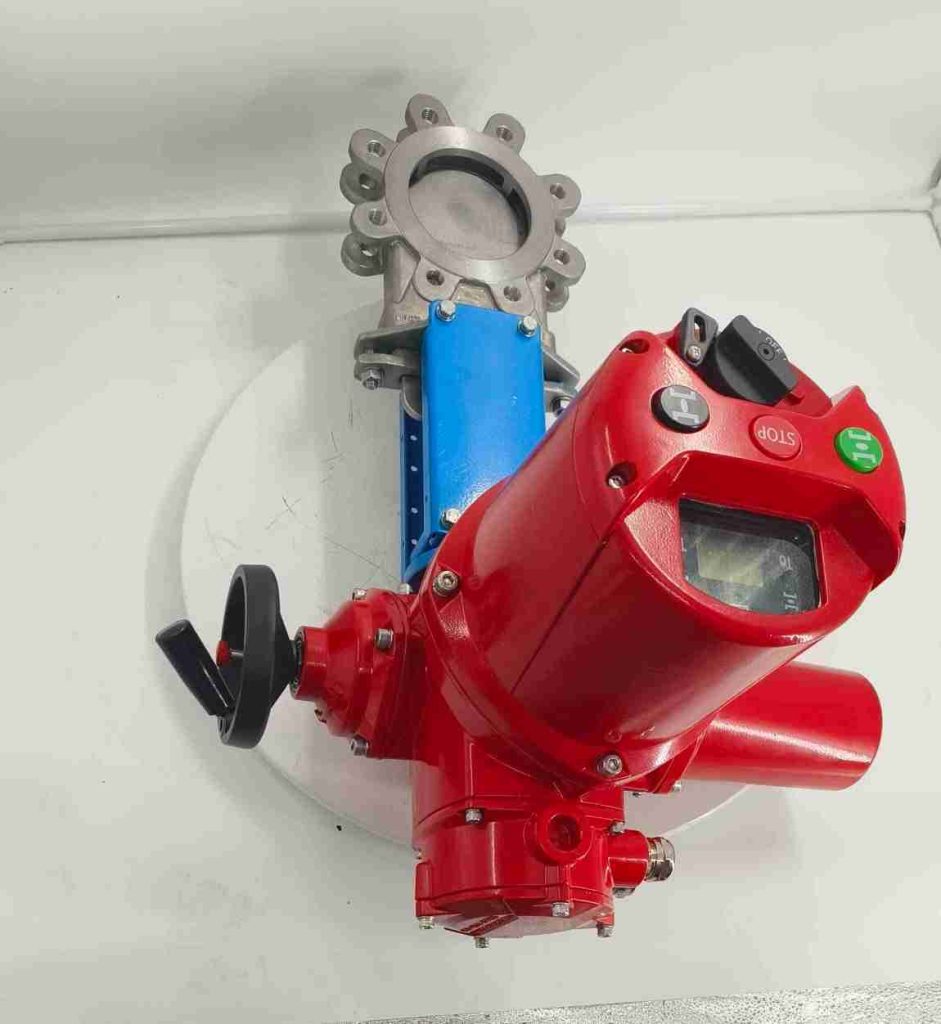
A WCB Electric Gate Valve is a type of valve that controls the flow of fluids by raising or lowering a gate-like component within the valve body. It is an electrically operated valve, meaning it is actuated by an electric motor rather than manual force. The WCB in the name refers to the material used for the valve body, which is typically made of WCB steel (a type of carbon steel). This material provides strength, durability, and resistance to wear, making it suitable for high-pressure and high-temperature applications. Design and Operation The WCB Electric Gate Valve is designed with an electric actuator that controls the movement of the valve’s gate. The actuator is powered by an electric motor, which translates the rotational movement into linear motion, causing the gate to either open or close. When the gate is fully open, the valve allows maximum flow; when closed, it seals off the flow completely, preventing leakage.