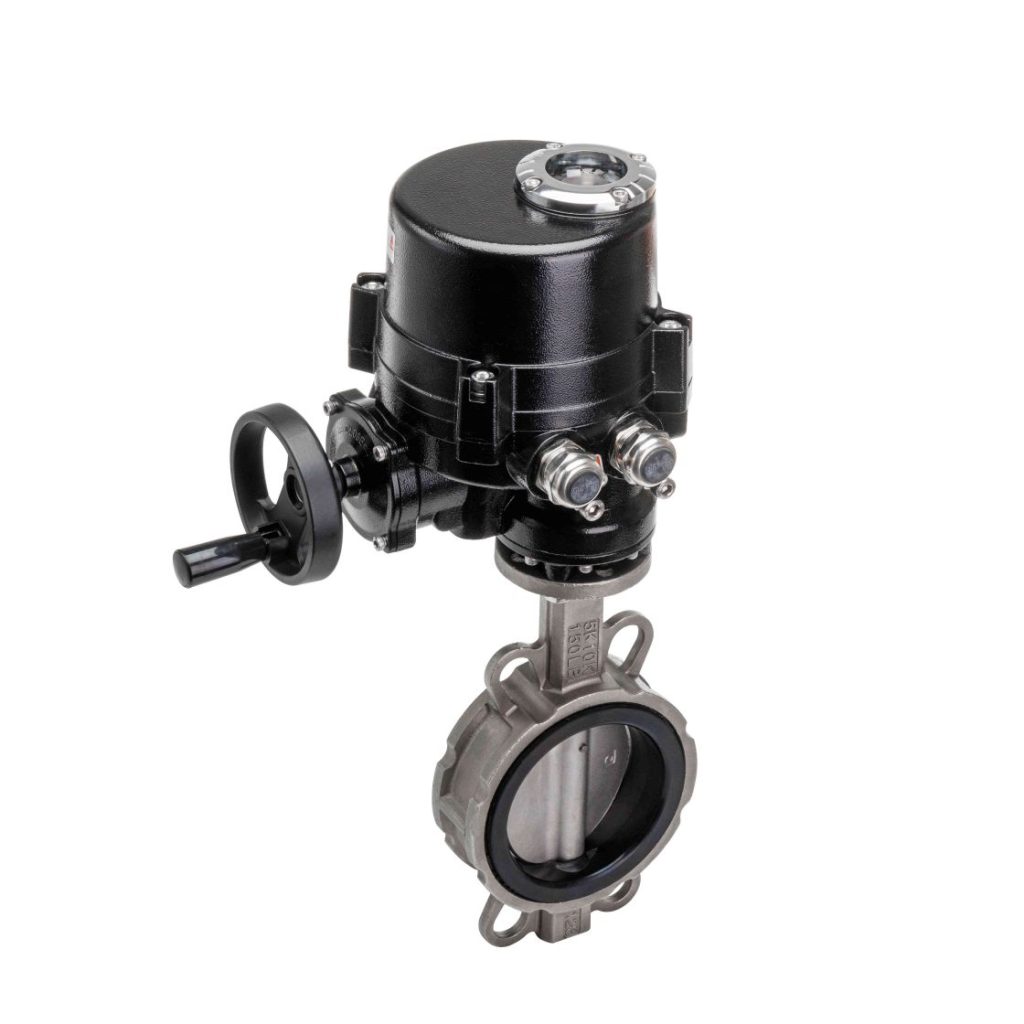
The WCB Electric Clamp Butterfly Valve is a key component in modern industrial systems, playing a critical role in fluid and gas flow control across various industries. This valve, which combines the strength of WCB (Wrought Carbon Steel) material with the advanced functionality of electric actuation, offers efficient and reliable solutions for controlling the flow of fluids in pipelines. In this article, we will explore the features, working principles, applications, and benefits of the WCB Electric Clamp Butterfly Valve, shedding light on why it is an indispensable tool in various industrial settings.

What is a WCB Electric Clamp Butterfly Valve?
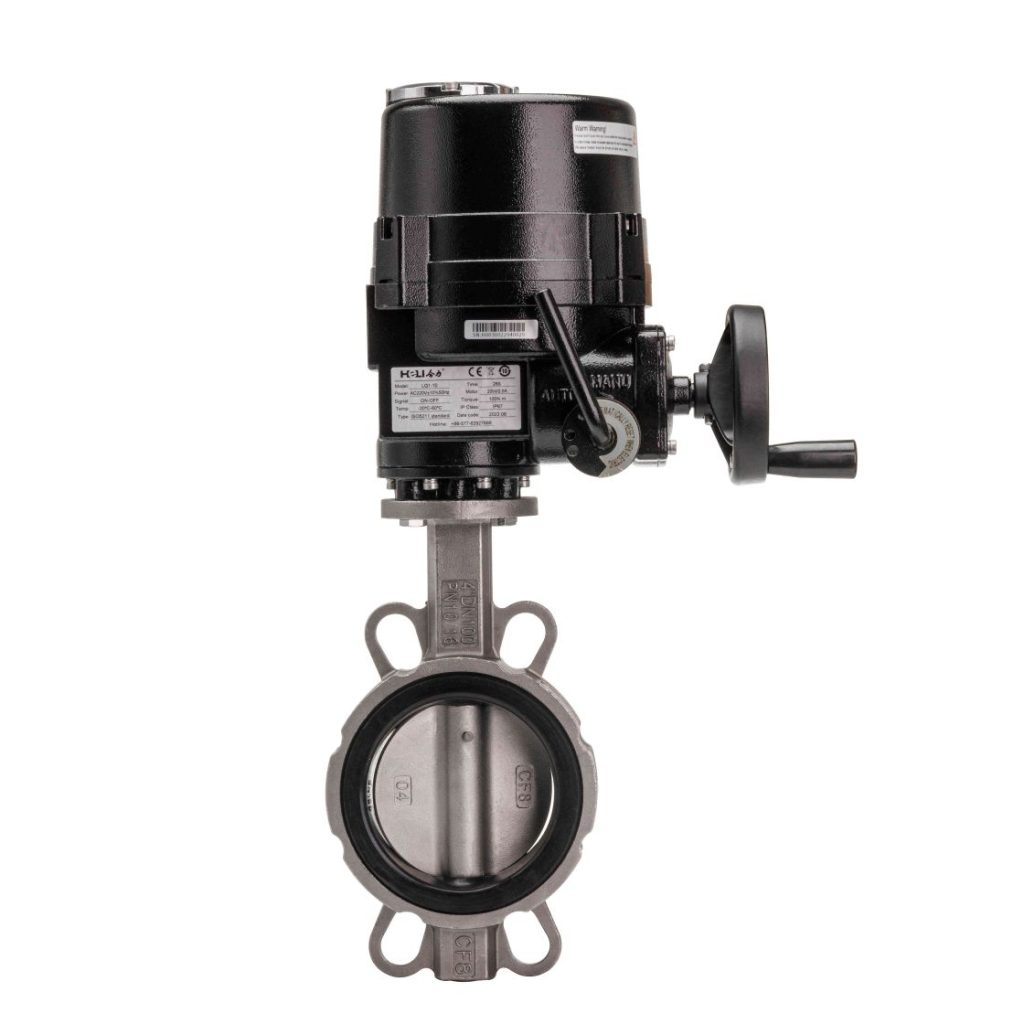
The WCB Electric Clamp Butterfly Valve is a type of quarter-turn valve used to regulate the flow of fluids in pipelines. It features a circular disc (the “butterfly”) that is mounted on a shaft. The valve operates by rotating this disc, which either blocks or allows the flow of the fluid through the pipe. The “electric” component refers to the valve’s actuation mechanism, which is powered by an electric motor rather than manual or pneumatic means. The WCB (Wrought Carbon Steel) material is used in the construction of the valve body and other key components. WCB is favored in many industrial applications due to its excellent mechanical properties, such as strength, durability, and resistance to wear and tear. This material makes the WCB Electric Clamp Butterfly Valve suitable for a wide range of applications, including high-pressure environments.