Irrigation systems have long been a cornerstone in agriculture and landscaping, providing much-needed water to plants in a controlled and efficient manner. Among the many components that make modern irrigation systems highly effective, the Watering System Solenoid Valve stands out as one of the most crucial. This device plays a key role in regulating water flow in automated irrigation systems, ensuring that plants receive the right amount of water at the right time. In this article, we will explore the function, benefits, and application of the Watering System Solenoid Valve, as well as how it contributes to the overall efficiency of irrigation systems.
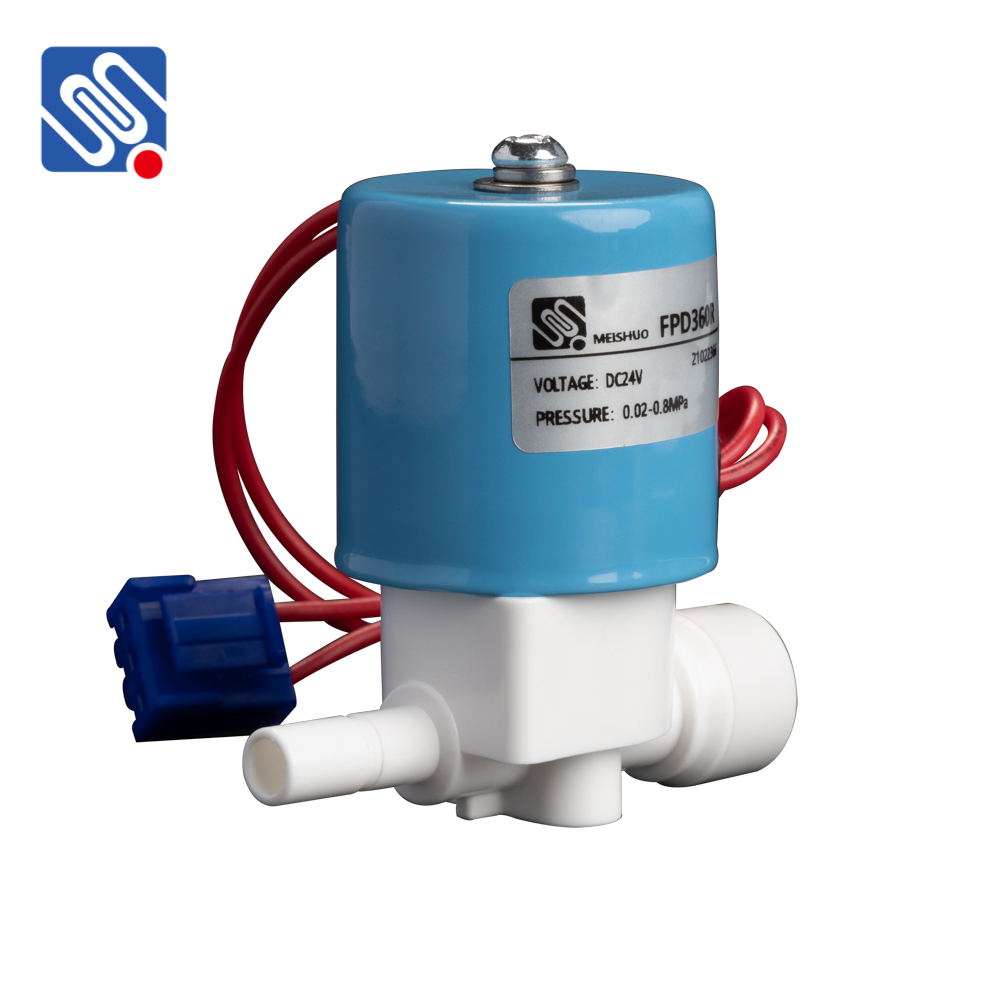
What is a Watering System Solenoid Valve? A Watering System Solenoid Valve is an electrically operated valve that is typically used in irrigation systems to control the flow of water to different zones. The solenoid is a type of electromagnet that, when energized, opens or closes the valve, allowing water to flow through the system. The valve can be triggered by a timer, controller, or sensor, which makes it an essential component of automated irrigation systems. The solenoid valve is usually placed at the entrance of each irrigation zone and works in conjunction with other components, such as water sensors, controllers, and sprinklers, to deliver water precisely where and when it is needed.