In water treatment systems, the importance of precise control over water flow cannot be overstated. One critical component that plays a vital role in this control is the solenoid valve. A solenoid valve is an electromechanical device used to control the flow of liquids or gases in a system. In water treatment, these valves are essential for automating processes such as regulating water flow, controlling pressure, and even switching water sources. In this article, we will explore the function, benefits, and applications of the Water Treatment System Solenoid Valve, highlighting why it is an indispensable part of modern water treatment infrastructure.
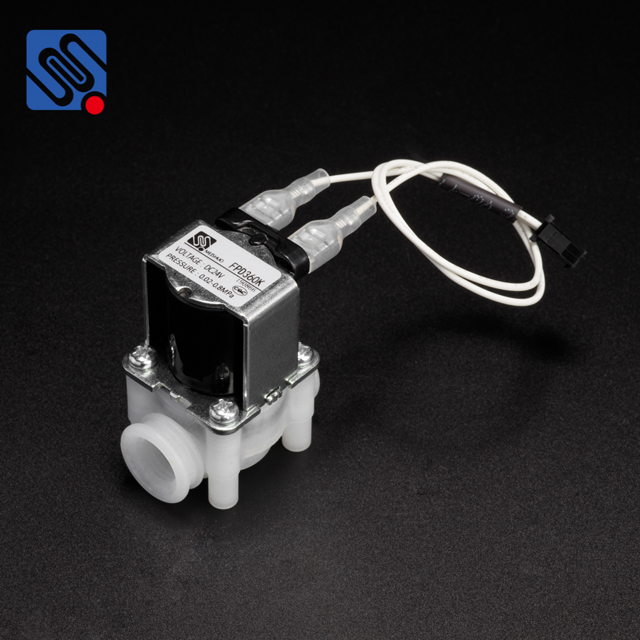
What is a Water Treatment System Solenoid Valve? A solenoid valve operates based on the principle of electromagnetism. It consists of a coil of wire (the solenoid) that generates a magnetic field when an electric current passes through it. This magnetic field either opens or closes the valve, allowing or blocking the flow of water. Solenoid valves are available in various configurations, including normally open, normally closed, and bistable types, which can be used for different applications depending on the requirements of the system. In water treatment, solenoid valves are used to regulate water flow in response to automated control signals. This helps maintain optimal system performance and ensures that water treatment processes are carried out efficiently and without the need for constant manual intervention.