Water treatment systems are essential for ensuring clean and safe water for various industrial, commercial, and residential applications. Among the many components that contribute to the functionality of such systems, the solenoid valve plays a crucial role in regulating the flow of water, ensuring that it flows at the correct rate and is distributed accurately across various treatment processes. This article will explore the role of the Water Treatment System Solenoid Valve, its functionality, applications, and importance in the overall water treatment process.
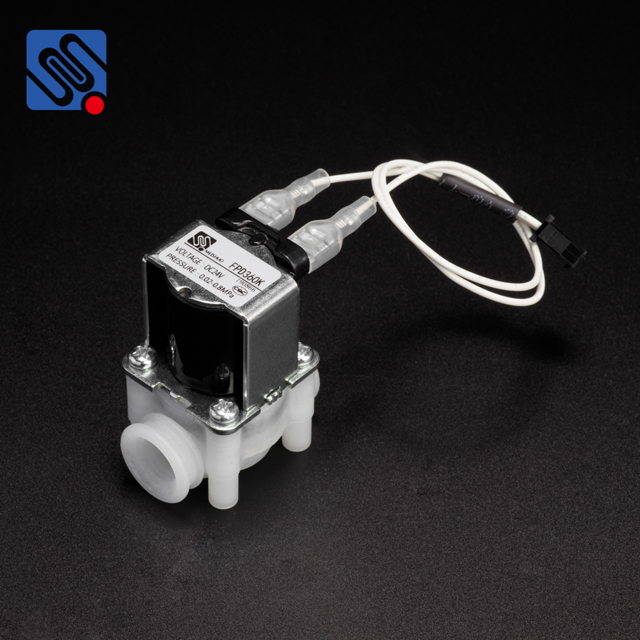
What is a Water Treatment System Solenoid Valve? A solenoid valve is an electromechanical device that controls the flow of water through a pipeline or system using an electric current. In water treatment systems, solenoid valves are widely used to regulate the flow of water in various stages of treatment, including filtration, chemical dosing, and demineralization. The solenoid valve consists of a coil, a plunger or diaphragm, and an electrical connection. When the solenoid is energized by an electric current, the coil generates a magnetic field that moves the plunger or diaphragm, opening or closing the valve to allow or stop the flow of water.