In industrial settings, the need for strict safety protocols is paramount, especially when dealing with electrical equipment. One crucial aspect of maintaining a safe work environment is the use of lockout/tagout (LOTO) devices, which are employed to ensure that machinery and electrical systems are properly de-energized before maintenance or repair work begins. This safety measure prevents accidental startup and protects workers from the dangers of electrical shock or other potentially life-threatening accidents. In the United States, numerous manufacturers are dedicated to providing high-quality electrical equipment lockout devices to meet the stringent requirements of the Occupational Safety and Health Administration (OSHA) and ensure worker safety.
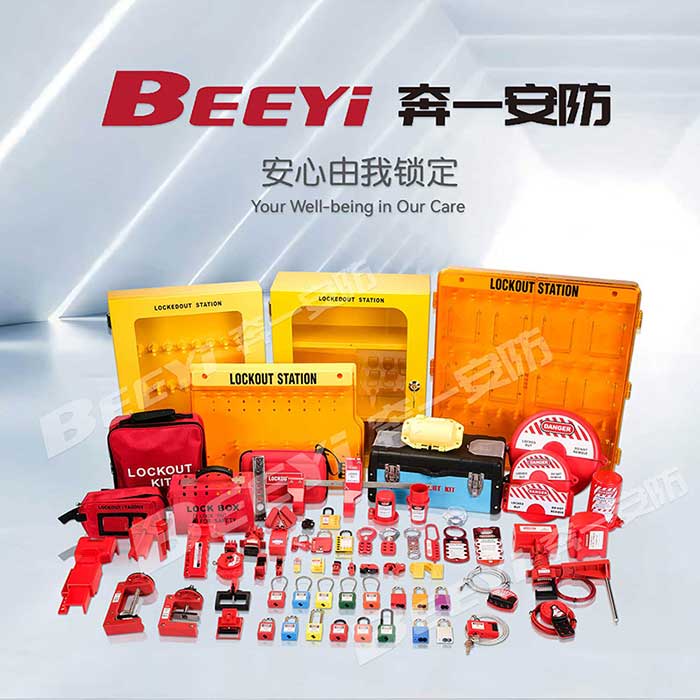
The Importance of Lockout/Tagout in Electrical Safety Lockout/tagout procedures are integral to electrical safety management in industrial environments. These procedures prevent the unintentional release of hazardous energy while workers are servicing machinery or electrical systems. The lockout devices physically isolate energy sources, such as electrical circuits, while the tagout components serve as a visible warning to others that the equipment is under maintenance. This practice is vital for reducing accidents and ensuring that only authorized personnel can operate or reset the machinery once maintenance has been completed.