Introduction
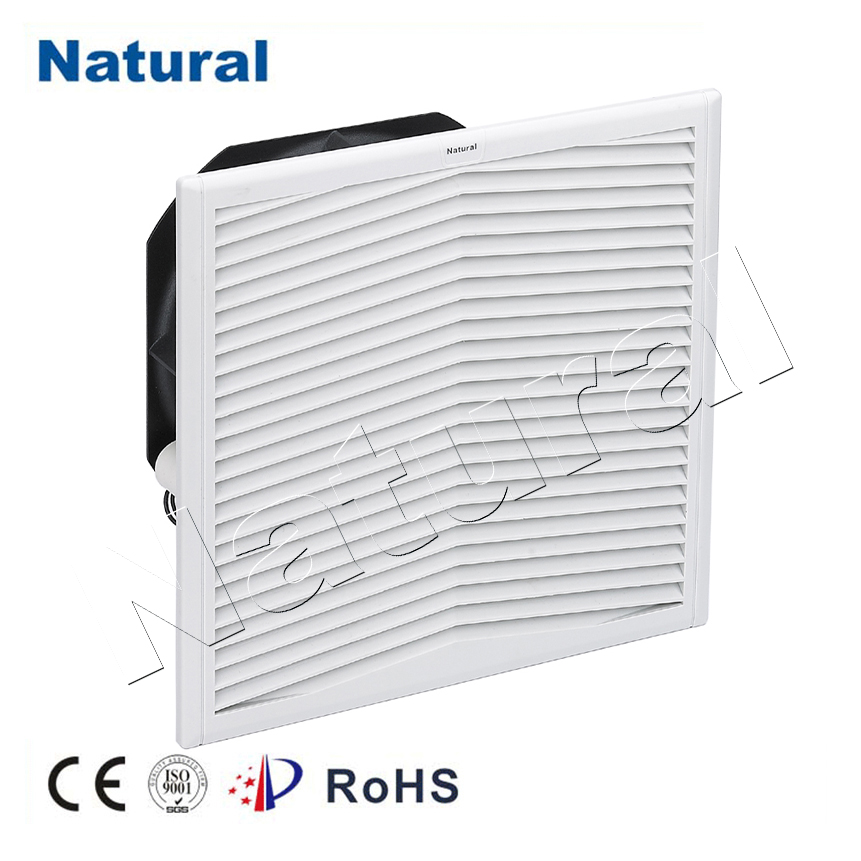
In an era where air quality is a growing concern, ensuring clean and breathable air indoors has become a priority. One of the cornerstones of achieving this goal is the utilization of panel filters in air filtration systems. Panel filters, renowned for their efficiency and cost-effectiveness, play a pivotal role in improving indoor air quality across various settings. This article delves into the mechanics and advantages of panel filters, shedding light on their indispensable role in maintaining healthy indoor environments. The Mechanics Behind Panel Filters Panel filters are flat, rectangular filters composed of layers of filter media, such as fiberglass or synthetic materials. These filters operate based on the principles of mechanical filtration, which involves trapping airborne particles as air passes through the filter media. The filter’s fibrous composition creates a maze-like structure, capturing particles of various sizes, including dust, pollen, pet dander, and even some bacteria. Efficiency Graded Filtration One of the notable features of panel filters is their efficiency grading. Filters are assigned a Minimum Efficiency Reporting Value (MERV) rating, indicating their ability to capture particles of different sizes. The scale ranges from MERV 1 (lowest efficiency) to MERV 20 (highest efficiency). Panel filters typically fall within the MERV 1 to 12 range, effectively capturing particles ranging from visible dust to microscopic allergens. Advantages of Panel Filters Affordability:Panel filters are economical options for air filtration. Their simple design and manufacturing process make them cost-effective choices for both residential and commercial applications. Versatility:These filters are versatile and can be integrated into various HVAC (Heating, Ventilation, and Air Conditioning) systems, including those in homes, offices, hospitals, and industrial environments. Ease of Maintenance:Panel filters are user-friendly when it comes to maintenance. They are replaceable and require periodic cleaning or replacement depending on the level of pollutants present. Energy Efficiency:Panel filters promote energy efficiency by allowing smoother airflow through the HVAC system, reducing the strain on the fan and enhancing overall system performance. Particle Removal:With their graded filtration efficiency, panel filters excel at removing a wide spectrum of particles, which not only enhances indoor air quality but also benefits individuals suffering from allergies and respiratory conditions. Reduced Maintenance Costs:By capturing particles before they reach sensitive components within HVAC systems, panel filters contribute to reducing maintenance costs and extending the lifespan of the equipment. Conclusion In the pursuit of healthy indoor environments, panel filters emerge as unsung heroes. Their unpretentious design and exceptional efficiency make them integral components of air filtration systems. From their versatility to their affordability, panel filters offer a myriad of benefits that contribute to enhanced indoor air quality, energy efficiency, and overall well-being. As technology advances, these filters continue to evolve, ensuring that the air we breathe remains as clean and pure as possible. So, whether in a bustling metropolis or a quiet suburban home, the impact of panel filters reverberates, silently fostering a healthier tomorrow.