Lockout hasps are essential tools in industrial safety, designed to prevent accidental machine startups while maintenance and repairs are underway. These devices serve as a physical barrier, allowing multiple workers to lock out a single piece of equipment simultaneously, thereby ensuring collective safety in potentially hazardous environments. In recent years, the demand for lockout hasps has skyrocketed alongside heightened regulatory scrutiny and a growing awareness of workplace safety. This article explores the burgeoning market for Lockout Hasps private label solutions, detailing their advantages, applications, and what businesses need to consider when entering this niche.
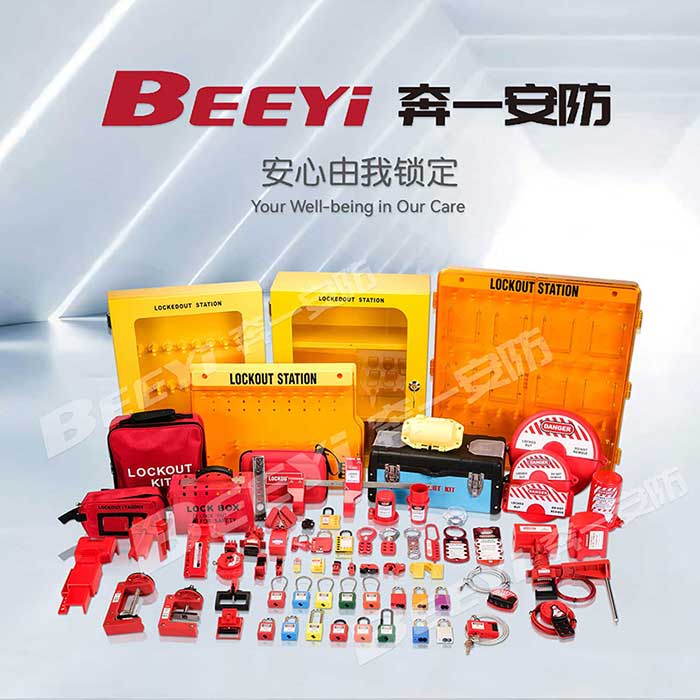
Understanding Lockout Hasps Lockout hasps are typically comprised of durable materials like steel and plastic, featuring slots for padlocks. When a machine is to be serviced, each worker involved places their lock on the hasp. This practice safeguards against unauthorized machine operation, making it a crucial component of any Lockout/Tagout (LOTO) program. Compliance with OSHA regulations mandates the use of such devices in many industrial settings, including manufacturing, construction, and maintenance operations. The Rise of Private Labeling The private labeling trend is well-established in various industries, including cosmetics, food, and now industrial safety equipment. Private labeling allows companies to market products produced by one manufacturer under their own brand name. For lockout hasps, this means that businesses can offer customized, branded safety solutions without the need for extensive research and development efforts or the overhead associated with traditional manufacturing.
Leave a Reply