Wireless technology has revolutionized the way we communicate, providing convenience and efficiency in both personal and professional settings. However, despite the many advantages of wireless networks, one challenge that remains is ensuring consistent signal coverage, especially in large or obstructed areas. This is where a wireless relay comes into play. A wireless relay is a device designed to extend the range of wireless signals, ensuring a stable connection even in areas that might otherwise suffer from weak or no reception. In this article, we will explore the functionality, benefits, and applications of wireless relays, and how they are transforming the way we use wireless networks.
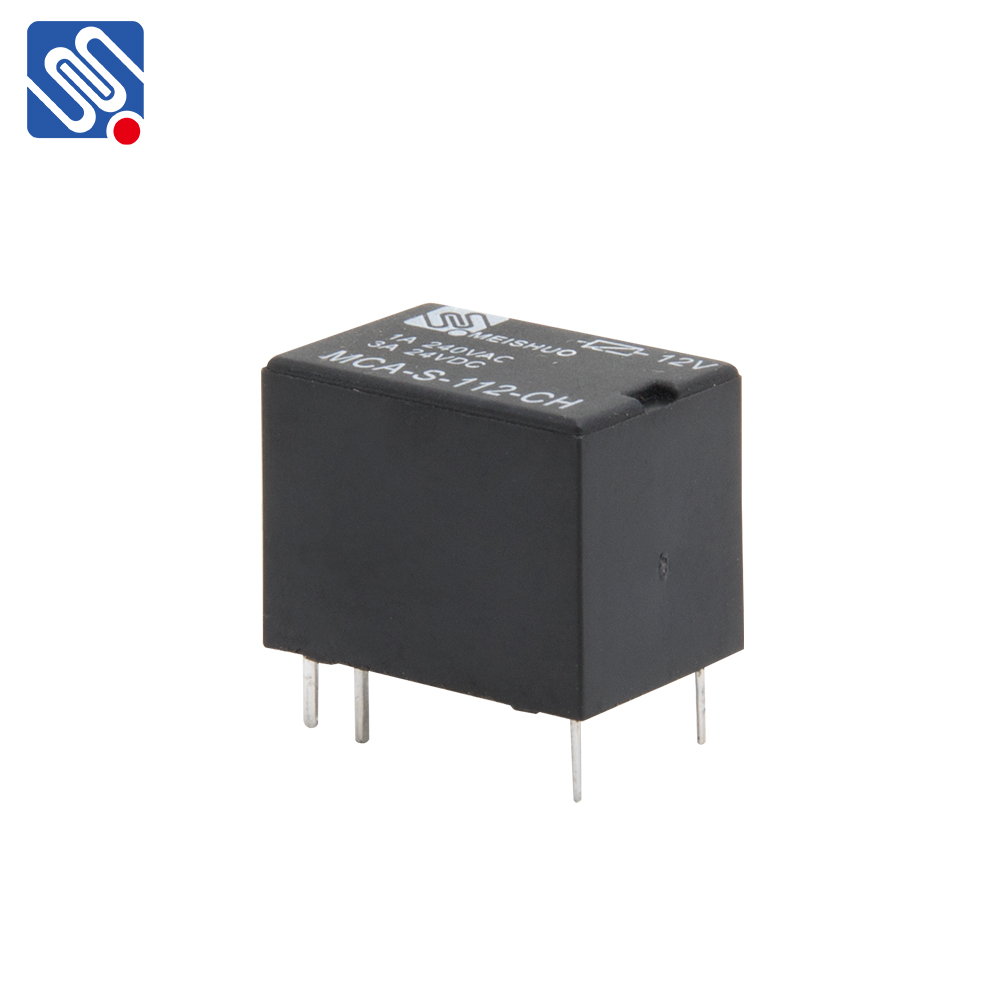
What is a Wireless Relay? A wireless relay is essentially a device that receives a wireless signal from a router or other wireless access point and retransmits it to extend the signal’s coverage. It acts as a bridge between the original wireless source (such as a Wi-Fi router) and the areas that experience weak or no signal. The relay device amplifies and redistributes the signal, effectively increasing the wireless network’s range. This process is commonly known as signal extension or signal relaying. Wireless relays are particularly useful in large buildings, multi-story homes, and outdoor spaces where the original signal cannot penetrate due to walls, floors, or other obstacles. By placing a wireless relay between the router and the affected areas, users can enjoy a more reliable and consistent connection, even in the most remote corners of their home or office.