In recent years, lithium-ion batteries have become the cornerstone of modern technology, powering everything from smartphones to electric vehicles. However, as the demand for these batteries has surged, so has the necessity for safety mechanisms to mitigate risks associated with their use. One such essential safety feature is the WCB (Weibin Chemical Battery) Lithium Battery Valve. This article will explore the function, design features, applications, and significance of the WCB lithium battery valve in enhancing battery safety.
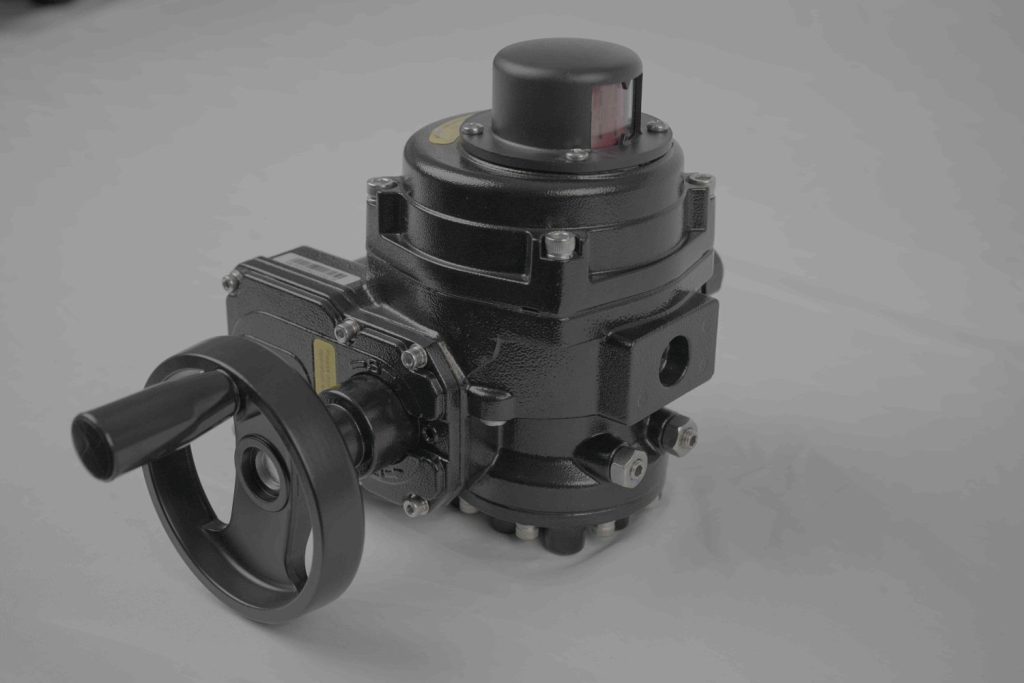
The Importance of Battery Safety Lithium batteries present unique challenges. When charged or discharged improperly, they can experience overheating, gas release, or even catastrophic failure. Common scenarios such as overcharging, short-circuiting, or exposure to extreme temperatures can create dangerous situations—leading to fires or explosions. This growing concern has prompted manufacturers to develop robust safety features, including failsafe mechanisms like the WCB lithium battery valve. Functionality of the WCB Lithium Battery Valve The WCB lithium battery valve serves a critical function: it acts as a pressure relief device. When the internal pressure of a lithium battery exceeds safe limits—often due to thermal runaway or excessive gas generation—the valve activates to release gas from the battery. This automatic release helps to prevent a build-up of harmful pressure that could otherwise lead to the battery rupturing or exploding.