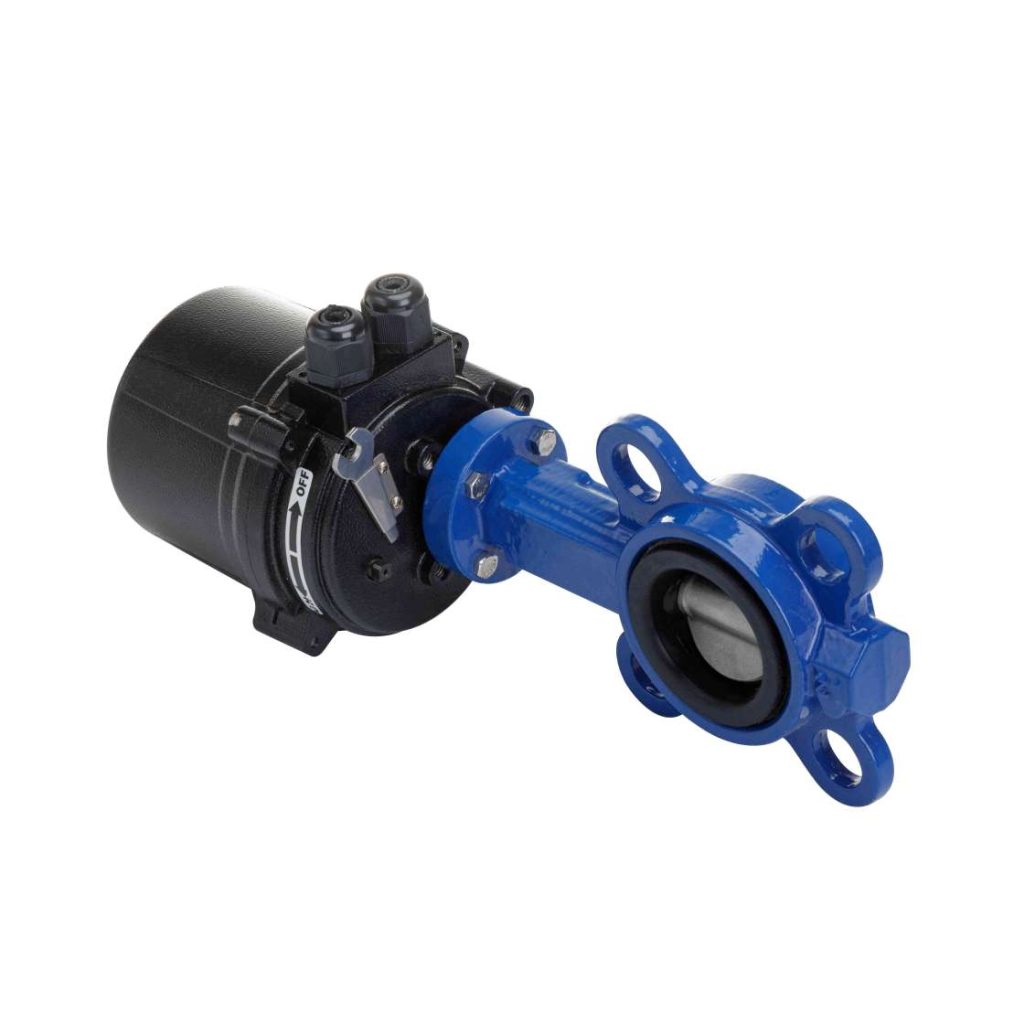
The WCB Electric Butterfly Valve is a vital component in various industrial processes where the regulation and control of fluid flow are required. Combining the mechanical simplicity of a butterfly valve with the efficiency of electric automation, this valve plays a crucial role in systems where precise flow control is necessary. This article explores the design, advantages, applications, and installation considerations of the WCB Electric Butterfly Valve.
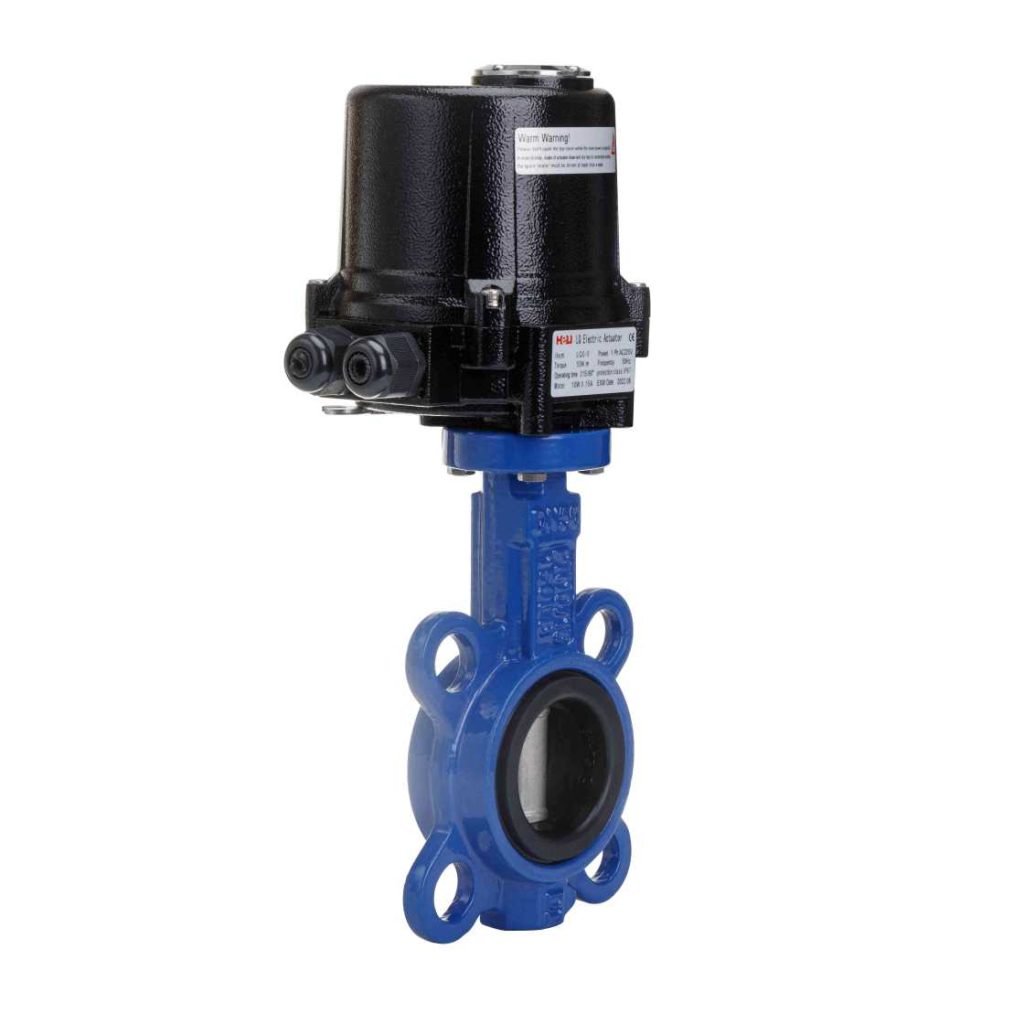
What is a WCB Electric Butterfly Valve?
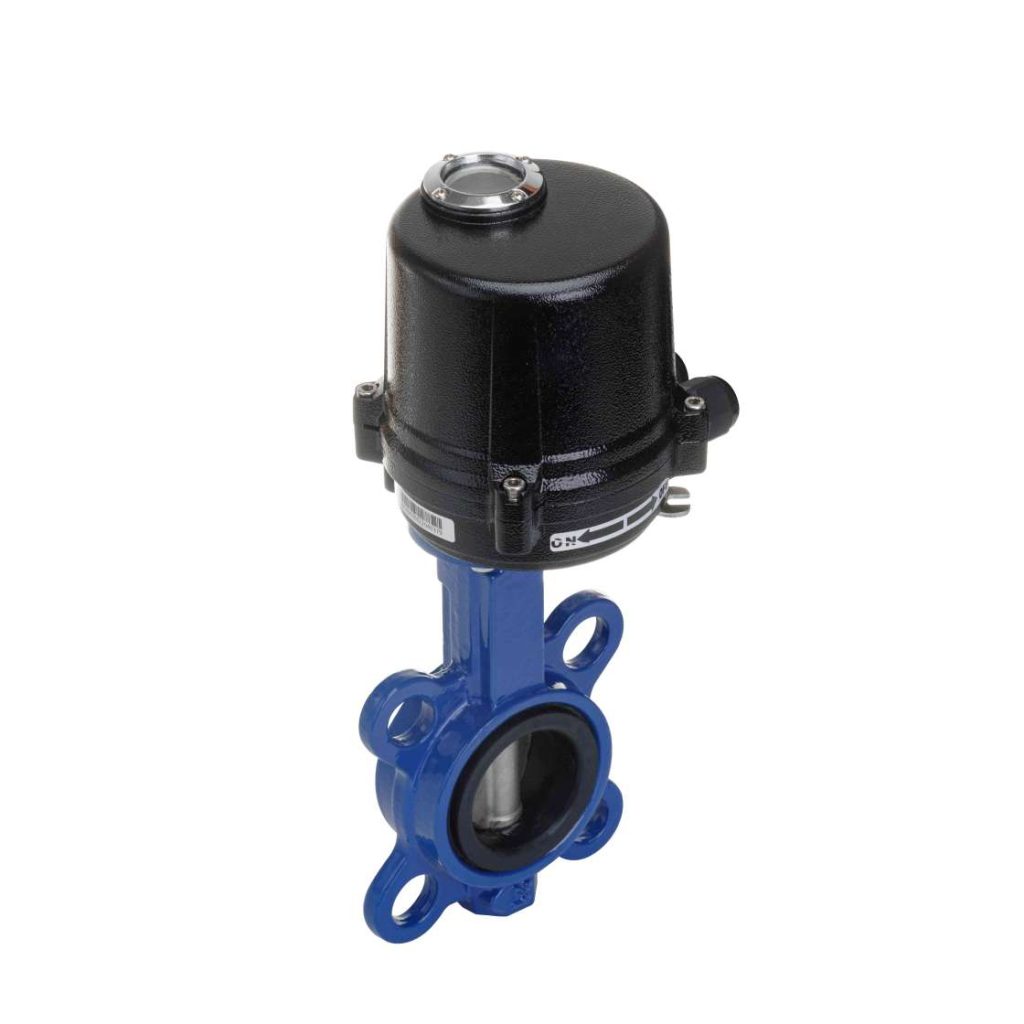
The “WCB” in the name refers to the valve’s material, which is Wrought Carbon Steel (WCB). This type of carbon steel is known for its durability, resistance to wear, and ability to withstand moderate pressure and temperature conditions. The “Electric” part of the name indicates that the valve is operated by an electric actuator, which provides more efficient and remote control than traditional manual or pneumatic systems. The butterfly valve itself consists of a rotating disc (the butterfly), which regulates the flow of fluids by opening or closing the valve. Key Features of the WCB Electric Butterfly Valve