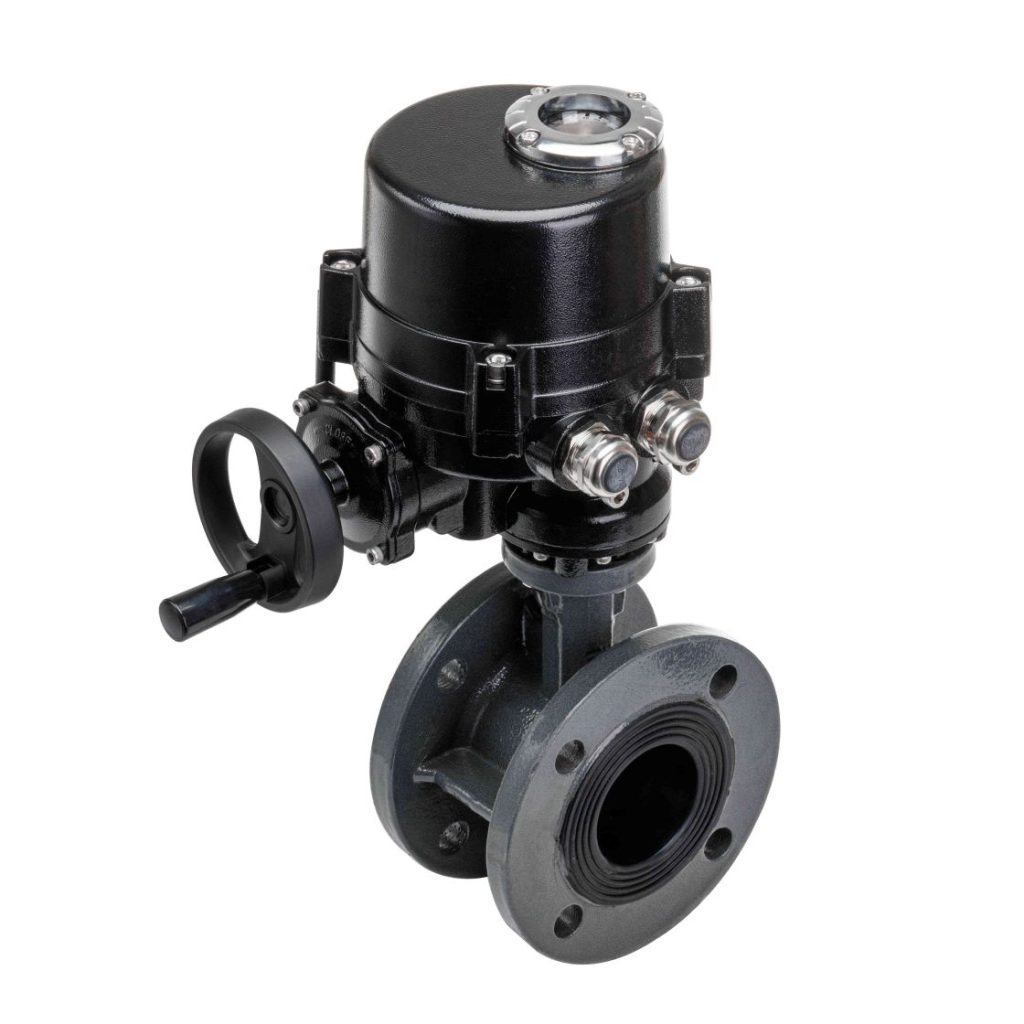
As industries continue to embrace automation and efficient fluid control systems, the importance of reliable and effective valve solutions cannot be overstated. Among the array of valve technologies available, the WCB Electric Ball Valve stands out for its unique design, robust materials, and wide-ranging applications. This article explores the fundamental characteristics, advantages, applications, and maintenance considerations of the WCB Electric Ball Valve, emphasizing its significance in today’s industrial landscape.
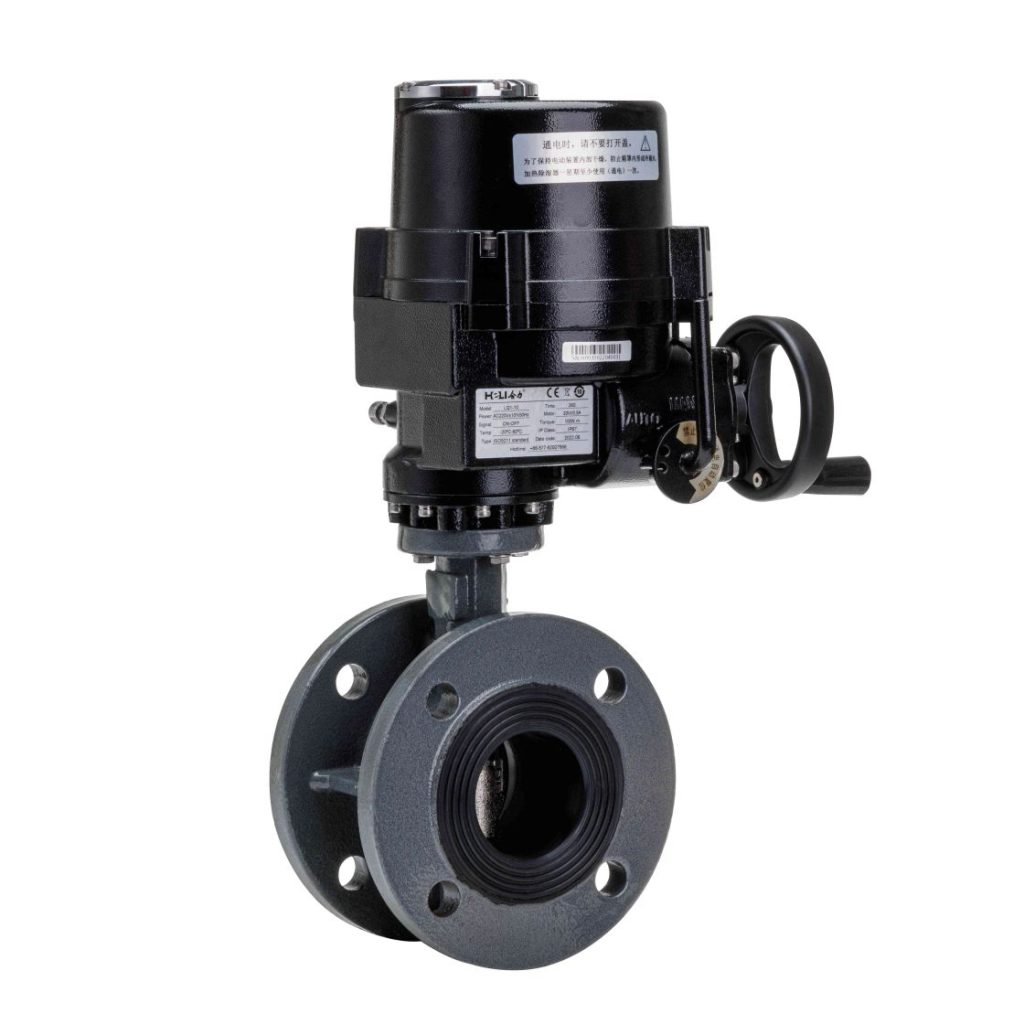
What is a WCB Electric Ball Valve?
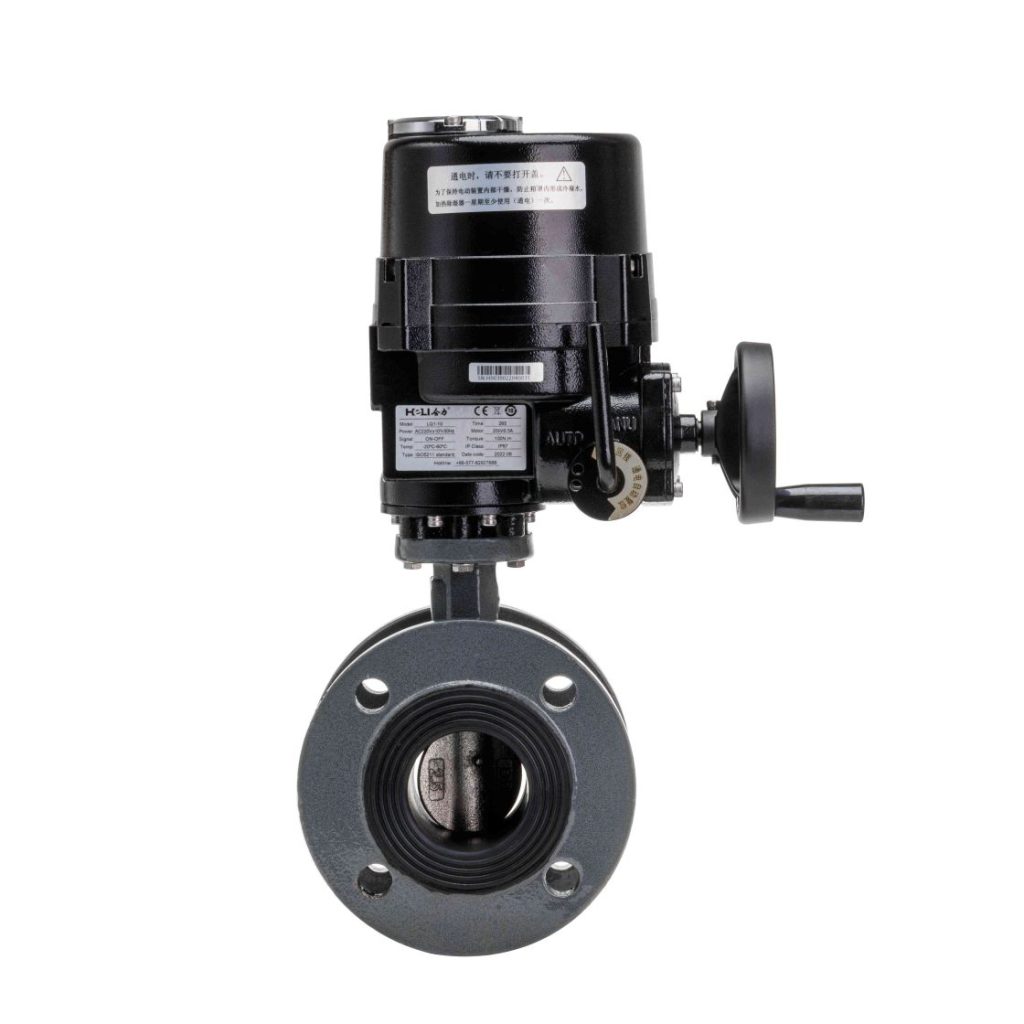
A WCB Electric Ball Valve is a type of ball valve that utilizes an electric actuator to control the opening and closing of the valve. The term “WCB” refers to “Wrought Carbon Steel,” which is commonly used for the valve body material. The unique construction consists of a spherical ball with a central hole that allows fluids to flow through. By rotating the ball a quarter turn (90 degrees), the valve can be either fully opened or fully closed, providing effective control over the flow of liquids and gases. Key Components The WCB Electric Ball Valve mainly consists of several key components: