In industrial environments, safety is a top priority, and controlling energy sources during maintenance is essential. One of the most effective tools for preventing accidents related to fluid, gas, or steam systems is the valve lockout device. This device is an integral part of the Lockout/Tagout (LOTO) safety procedures, designed to secure valves in a specific position, either open or closed, to prevent accidental operation. Valve lockout devices play a critical role in protecting both personnel and equipment from harm.
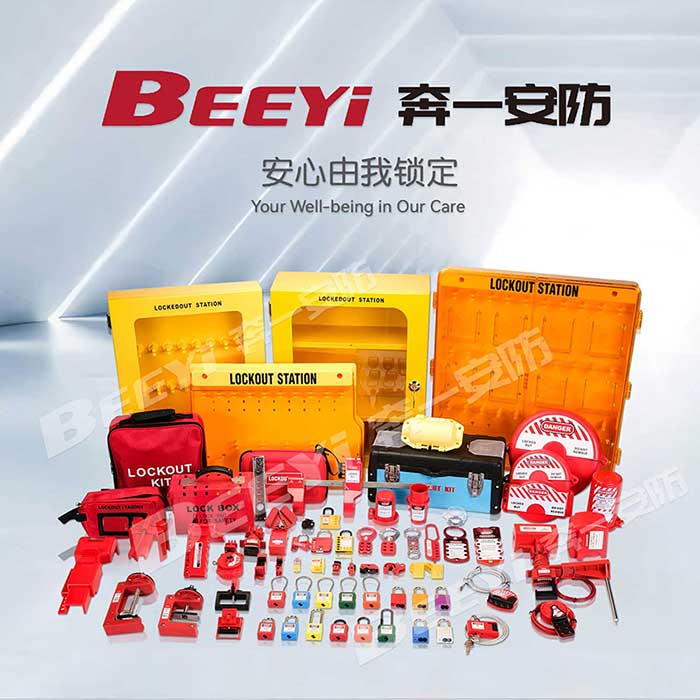
A valve lockout device works by mechanically restricting the movement of a valve handle or stem. When maintenance or inspection is required, it is crucial to isolate energy sources. If a valve is accidentally turned on or off during this time, it could lead to severe injuries, equipment damage, or environmental hazards. By physically locking the valve, the device ensures that only authorized personnel can operate it, significantly reducing the risk of unexpected energy release. There are several types of valve lockout devices, each designed for specific valve shapes and sizes. Ball valve lockouts are commonly used for quarter-turn valves and fit over the handle, preventing rotation. Butterfly valve lockouts are designed to clamp onto the valve handle, locking it in place. For gate valves or globe valves, which often have a wheel or stem, specialized lockout devices secure the valve stem or handle to prevent movement. Universal valve lockouts are adjustable and can fit a range of valve types, making them versatile for various industrial settings.
Leave a Reply