Time relays are crucial components in modern automation systems, providing the ability to control electrical circuits by introducing time delays. By adjusting these time delays, engineers and technicians can ensure that machines, lights, motors, and other devices operate in a controlled manner, leading to improved efficiency and safety. This article will explore the functioning, types, applications, and advantages of time relays, helping readers understand their significance in various fields.
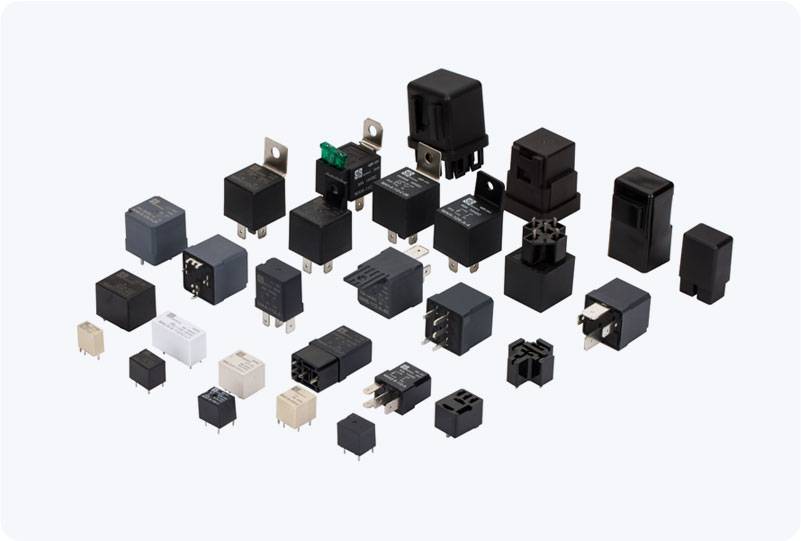
What is a Time Relay? A time relay, also known as a timer relay, is an electromechanical or electronic device that is used to control circuits based on a time delay. Essentially, it allows a system to delay the opening or closing of a circuit for a specified duration after receiving a signal. Time relays are typically used to automate processes where timing plays a critical role, such as in industrial machinery, lighting control systems, and even in household appliances. How Does a Time Relay Work? Time relays operate by incorporating a delay function into an electrical circuit. When the system is powered on, the time relay begins its countdown from a set time. After the specified delay, the relay either closes or opens the circuit depending on the type of timer used. These devices can be adjusted to trigger actions after a predetermined time, making them highly versatile in automation systems.