In today’s world, where smart home technology and the Internet of Things (IoT) are rapidly evolving, the need for efficient and reliable automation systems has become more important than ever. One such device that plays a crucial role in smart homes and IoT applications is the Zigbee Relay Module. This versatile component allows users to control electrical devices wirelessly, making it an integral part of many home automation systems. In this article, we will delve into the features, benefits, applications, and how Zigbee Relay Modules contribute to the overall efficiency of IoT ecosystems.
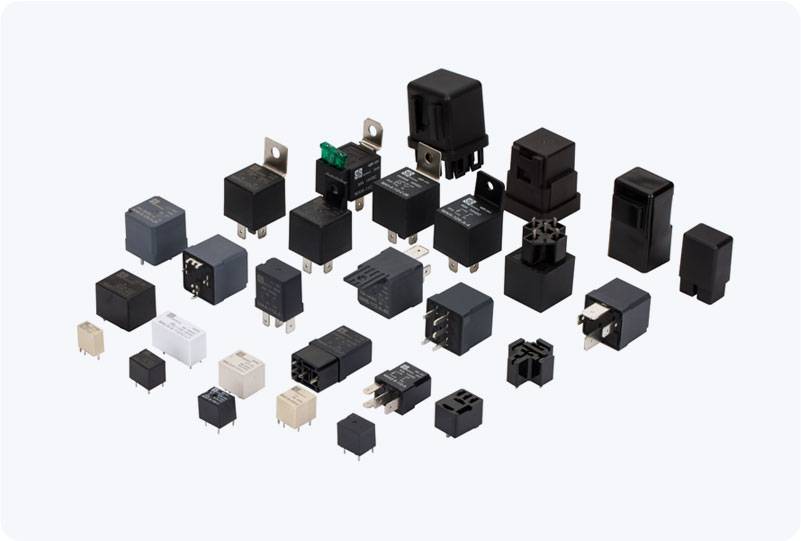
What is a Zigbee Relay Module? A Zigbee Relay Module is a wireless relay module that operates based on the Zigbee communication protocol. Zigbee, a low-power, short-range wireless protocol, is widely used in smart home devices, automation systems, and IoT networks. The Zigbee Relay Module enables users to control various electrical devices—such as lights, fans, and home appliances—remotely through Zigbee-based networks. The module uses Zigbee’s mesh networking capabilities, allowing it to communicate with other Zigbee-enabled devices like sensors, hubs, and gateways to create a seamless automated experience.