The WCB Pneumatic Butterfly Valve is a pivotal component in various industrial applications, playing a significant role in regulating fluid flow within pipelines. Constructed from carbon steel (WCB), this type of valve is favored for its robust characteristics, such as durability, corrosion resistance, and cost-effectiveness. In this article, we will delve into the features, operational principles, applications, and benefits of the WCB Pneumatic Butterfly Valve, highlighting its importance in many sectors.
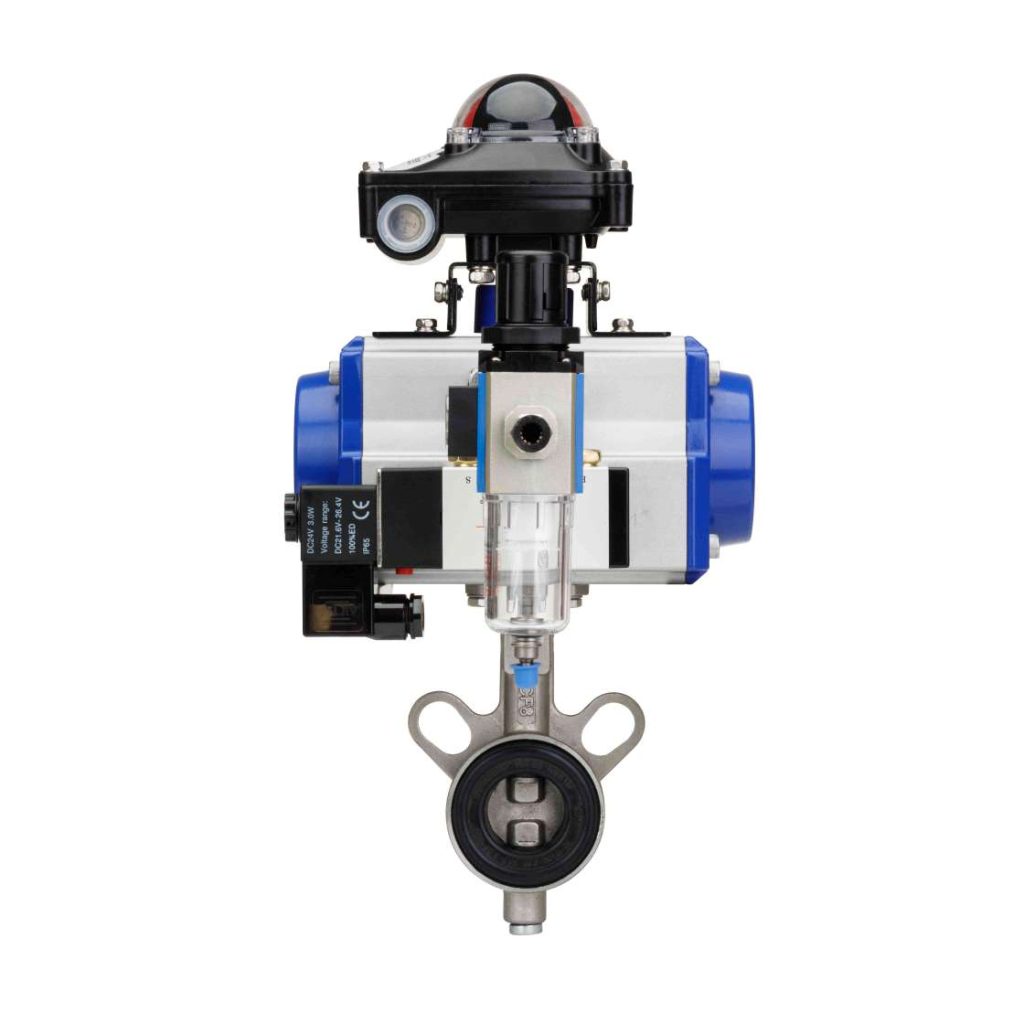
Features of WCB Pneumatic Butterfly Valve
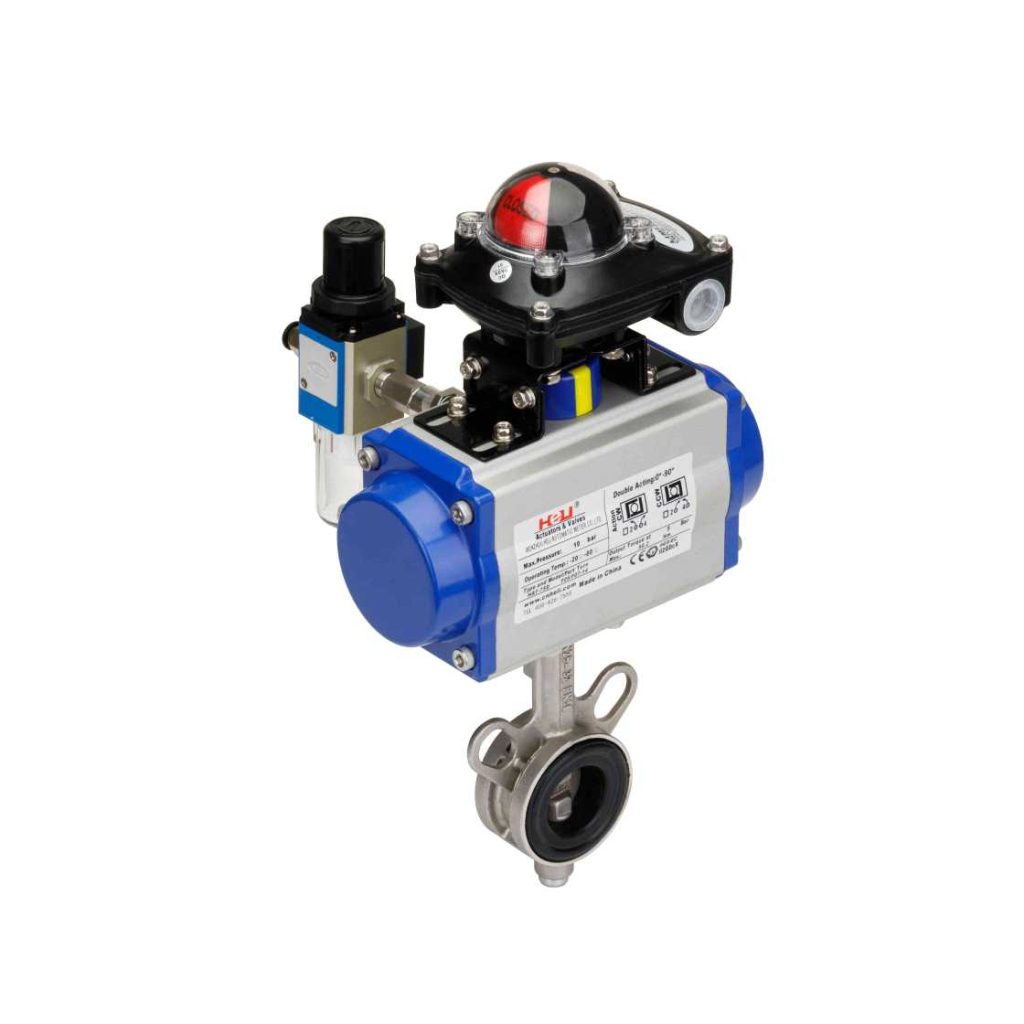
The WCB Pneumatic Butterfly Valve consists of several key components: the valve body, the butterfly plate, the pneumatic actuator, and accompanying accessories. Material Composition: The valve body is primarily made of carbon steel (WCB), offering high tensile strength and resistance to various types of stress. Its structure can withstand high pressures and temperatures, making it suitable for many demanding environments. Simple Design: One of the unique features of the butterfly valve is its compact design. Unlike traditional globe or gate valves, the butterfly valve utilizes a disc-shaped element (the butterfly plate) that rotates to control fluid passage. This minimalist structure leads to reduced installation space and simplifies maintenance procedures.
