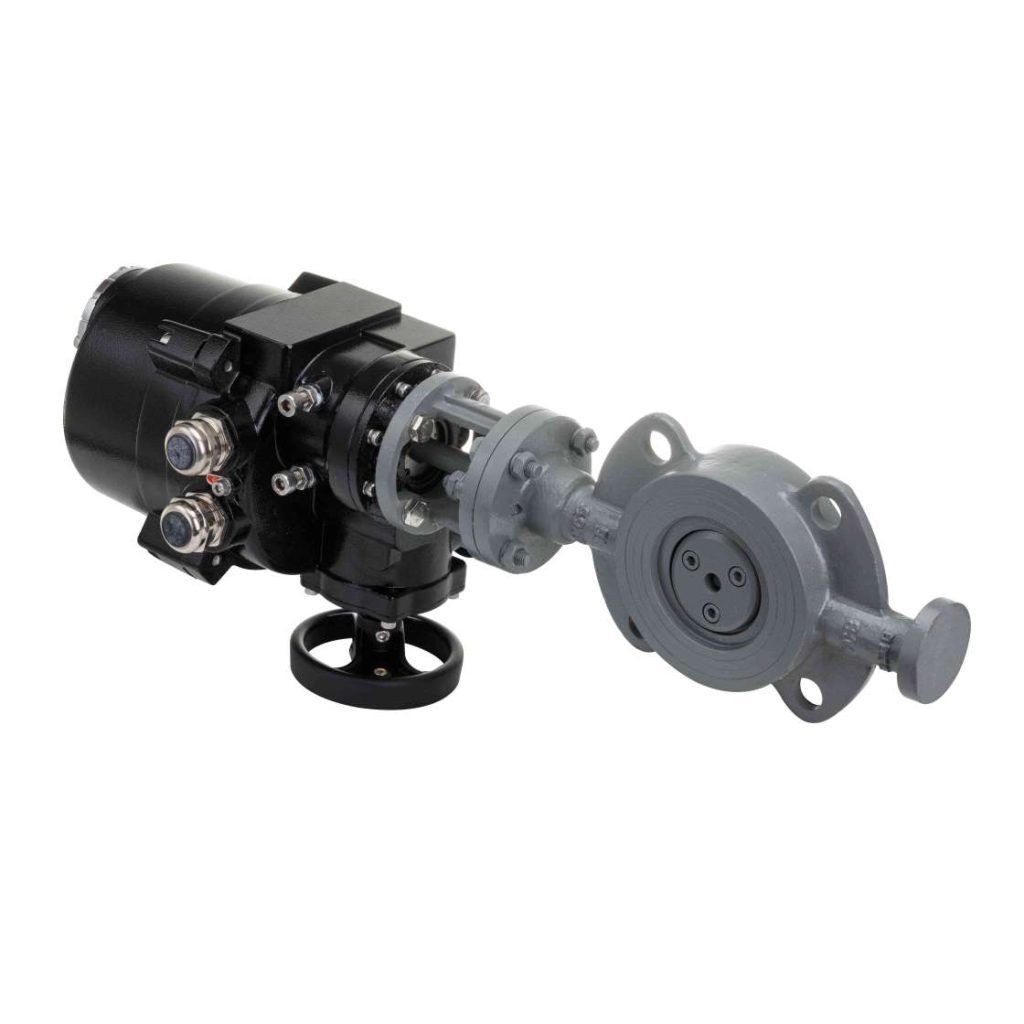
In the realm of marine engineering and fluid control systems, the WCB Marine Electric Butterfly Valve stands out as a quintessential device designed for efficiency, safety, and reliability. This innovative valve not only meets the rigorous demands of the maritime industry but also caters to a variety of other segments such as chemical processing, water treatment, and food production. In this article, we will delve into the intricacies of the WCB Marine Electric Butterfly Valve, exploring its design, functionality, applications, and maintenance, as well as its advantages in operation.
Design and Structure
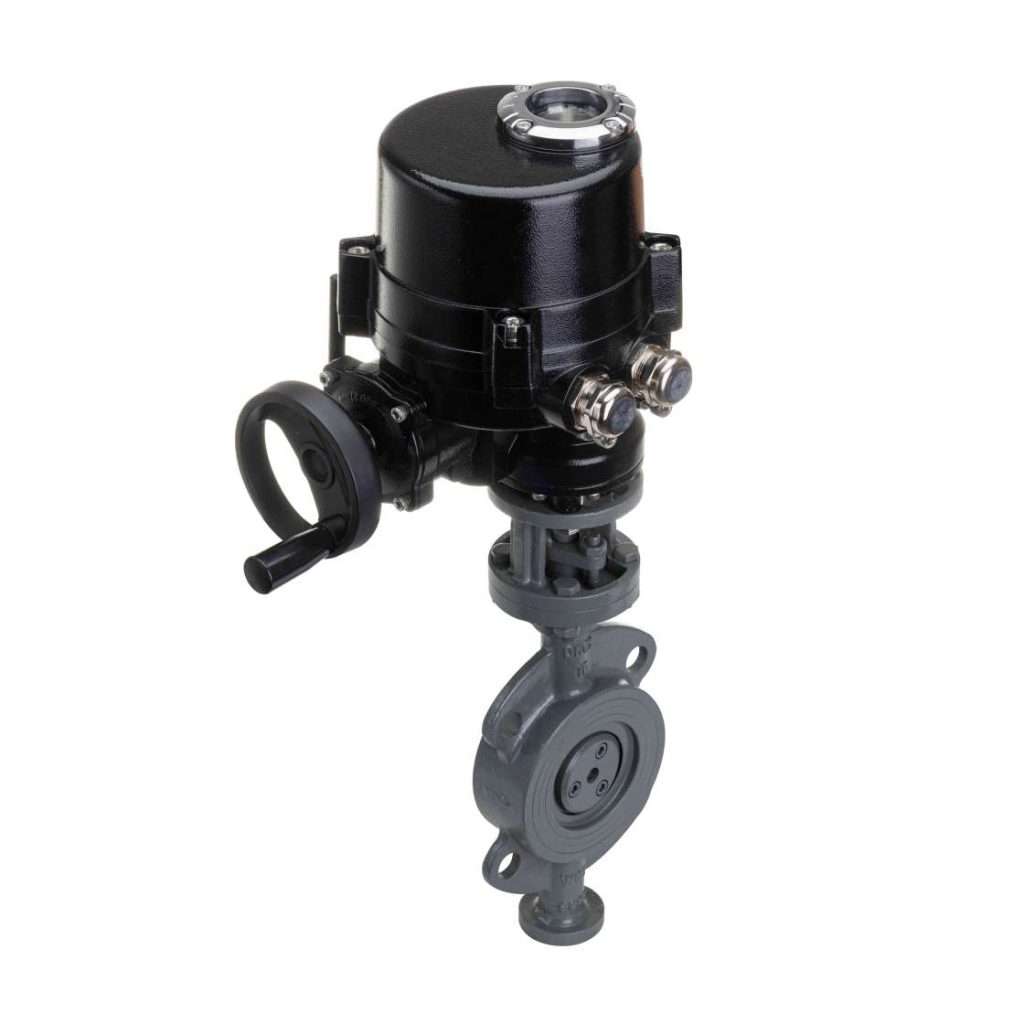
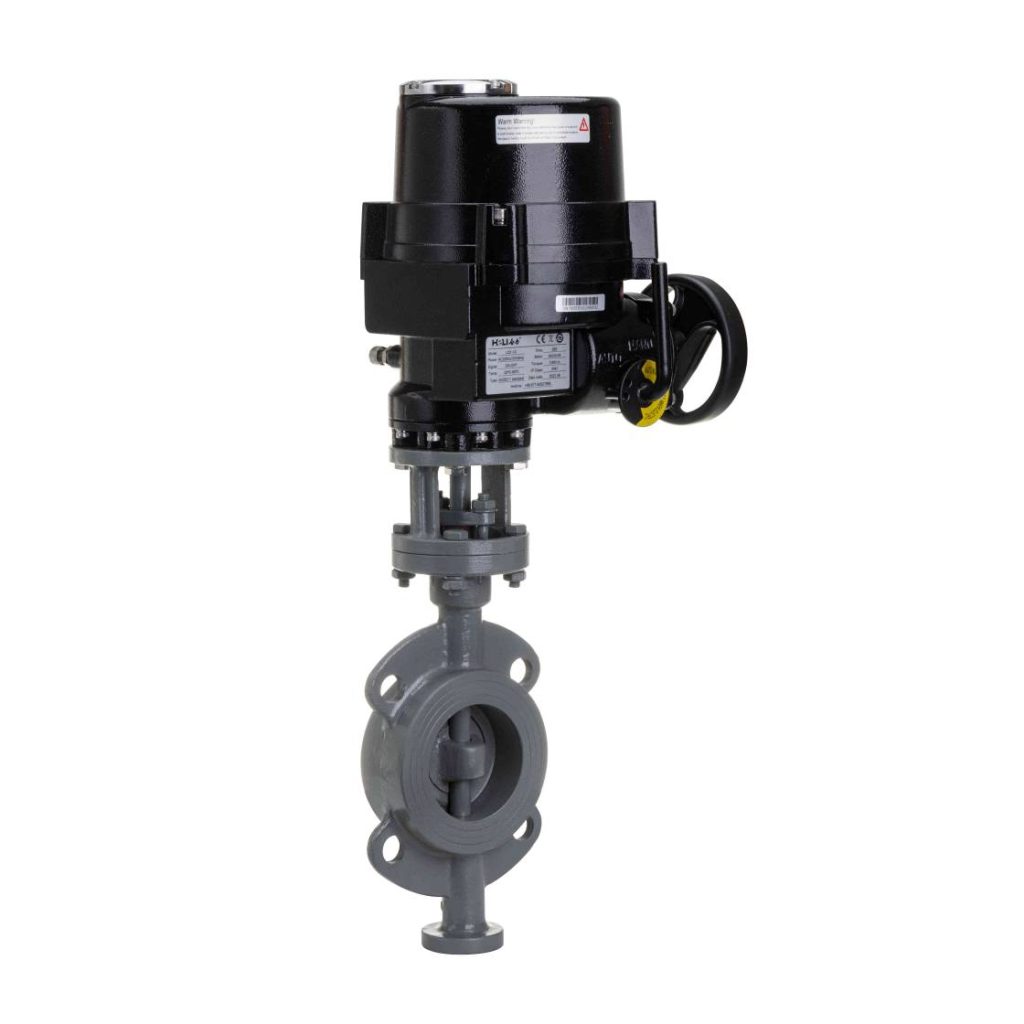
At the core of the WCB Marine Electric Butterfly Valve is its simple yet effective design. This valve consists of a circular disc (the butterfly) attached to a rod. When the valve is opened or closed, this disc rotates around the rod, allowing or obstructing the flow of fluids. The design enables it to occupy a minimal volume and weight compared to other valve types, making it particularly advantageous for applications in confined spaces aboard vessels. The materials used in the construction of the WCB Marine Electric Butterfly Valve are crucial for ensuring durability and resistance to corrosive environments. Typically made from stainless steel or other high-grade alloys, these valves can withstand the harsh conditions often encountered in marine settings, including exposure to saltwater and varying temperatures.