In the dynamic world of industrial fluid control, the WCB Electric Pinch Valve stands out as a remarkable option, combining innovative design with reliable functionality. This type of valve plays a crucial role in various industries, such as chemical processing, food and beverage production, and wastewater treatment. This article explores the working principles, advantages, applications, and maintenance of the WCB Electric Pinch Valve, emphasizing its significance in modern fluid management systems.
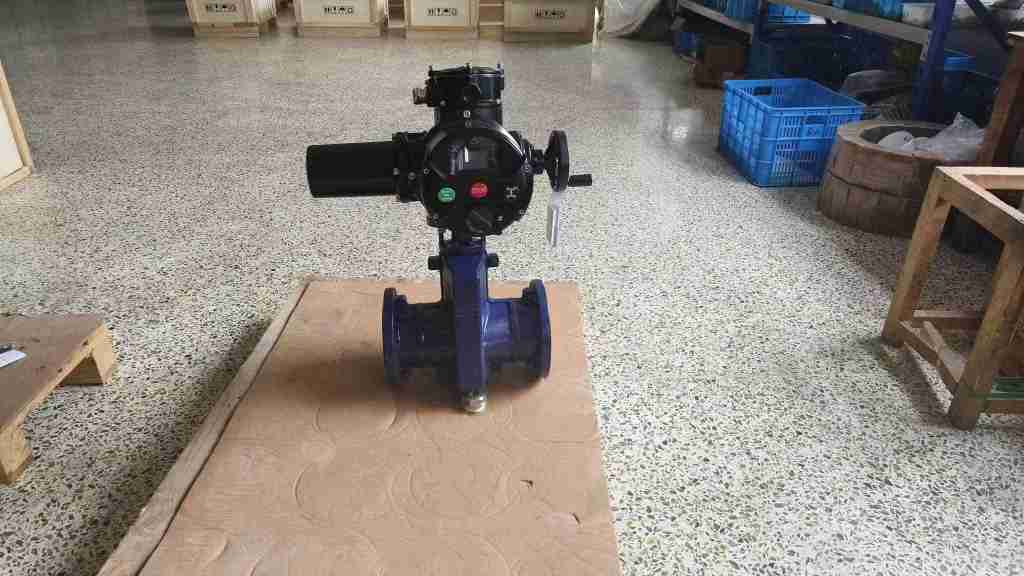
Working Principles The WCB Electric Pinch Valve operates on a straightforward principle: it utilizes a flexible tube or hose that is pinched shut to stop fluid flow. When electrical signals activate the valve, a motor or actuator tightens or releases the pinch on the tube, controlling the flow rate accurately. This design allows for rapid adjustments in flow, making it suitable for processes that require precise control of liquid and slurries. In terms of actuation, the electric pinch valve can be seamlessly integrated into automated control systems. These valves often feature position feedback systems that provide real-time data on valve status, ensuring operators can monitor and adjust processes effectively.