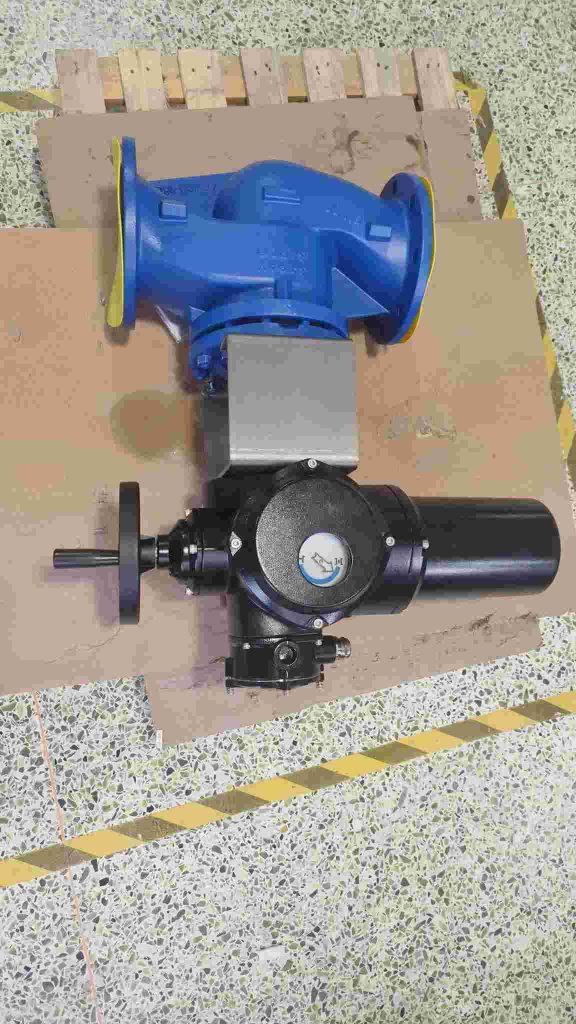
The WCB Electric Globe Valve is an essential component widely used in various industrial applications for effective fluid flow control. This valve combines the trusted design of a traditional globe valve with the convenience of electric actuation, providing a reliable solution for regulating the movement of liquids and gases. In this article, we will explore the features, applications, and advantages of the WCB Electric Globe Valve, shedding light on why it has become a popular choice among engineers and industries alike.
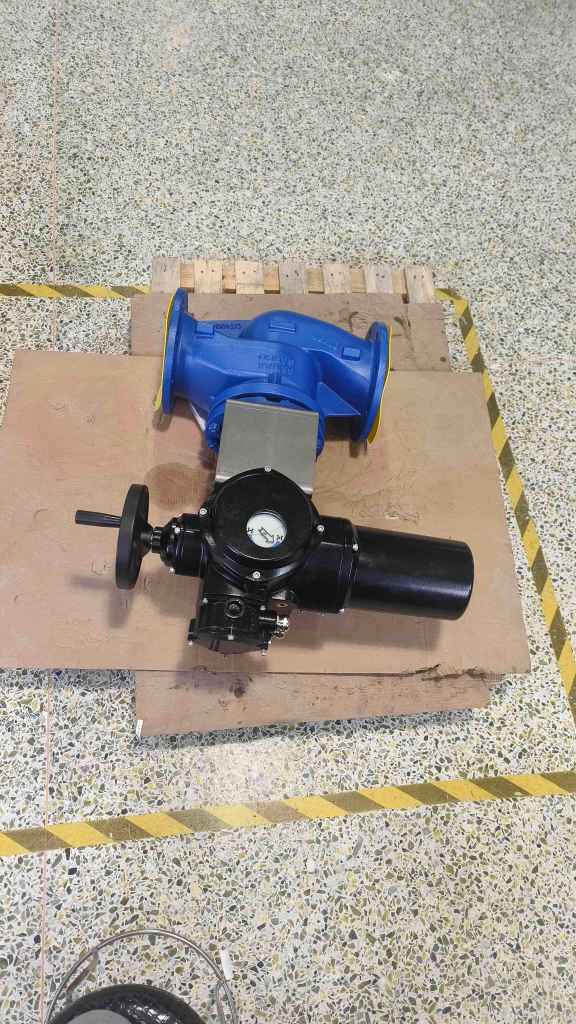
Design and Construction
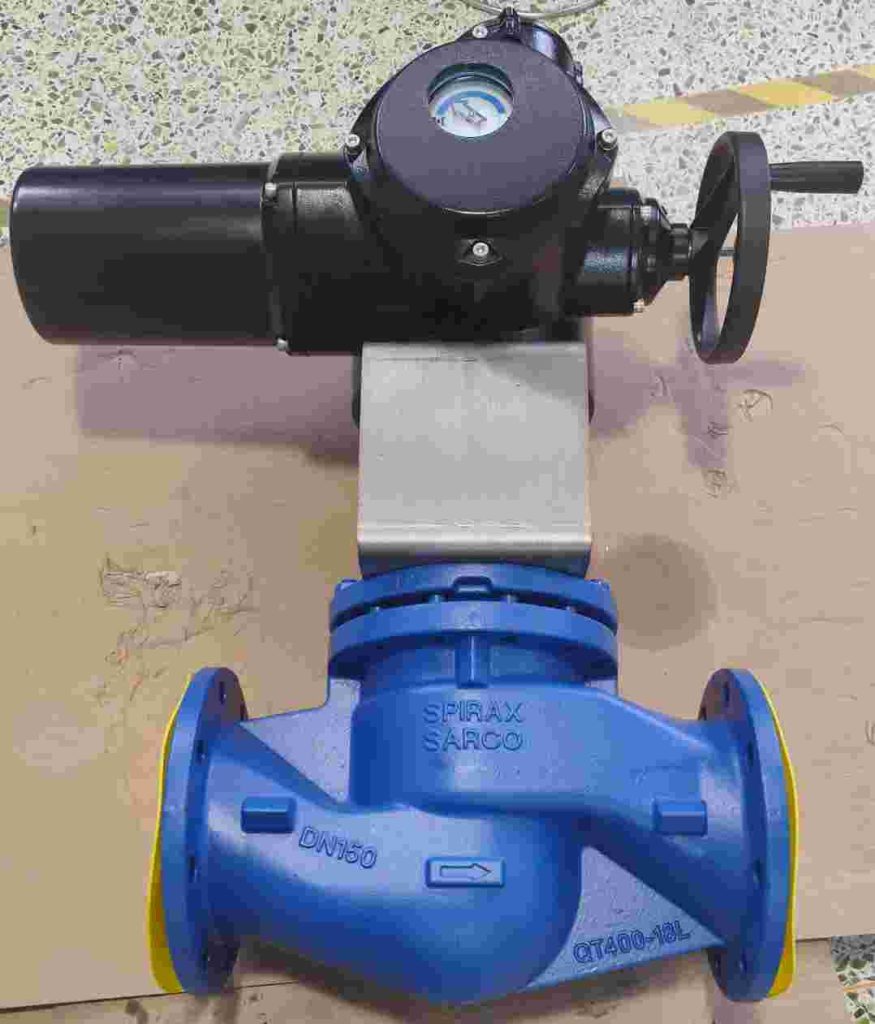
The WCB Electric Globe Valve is primarily constructed from WCB (Wrought Carbon Steel), a material known for its strength, durability, and resistance to high pressures and temperatures. The valve’s globe design allows for efficient flow regulation, thanks to its internal structure that consists of a movable disk (the plug) and a stationary ring seat. When the valve is operated, the plug moves up and down, effectively regulating the flow based on the position of the valve. One of the critical advantages of the globe valve design is its ability to provide excellent throttling capabilities. Unlike ball valves, which are typically designed for on/off control, globe valves are designed to handle varying flow rates, making them suitable for processes requiring precise control.