The Vacuum Arc Extinguishing Relay (VACER) is a crucial component in modern electrical systems, playing an essential role in safeguarding equipment from the destructive effects of electrical arcs. In this article, we explore the principles behind vacuum arc extinguishing technology, its key features, advantages, and the diverse applications of vacuum circuit breakers and relays in various industries.
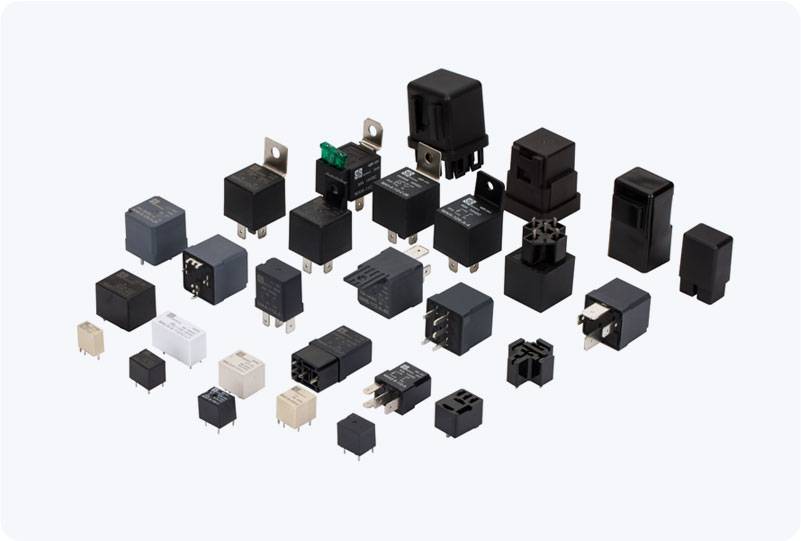
The Principle of Vacuum Arc Extinguishing A vacuum arc extinguishing relay operates on the principle of arc interruption in a vacuum environment. When an electrical current is interrupted, an arc can form between the contacts of the relay. In the absence of air or any gas—such as in a vacuum—there are fewer particles to sustain the arc, making it easier to extinguish. Vacuum interrupters, the core technology behind these relays, rapidly suppress the arc once the contacts are separated. This ability to extinguish arcs in an extremely short time ensures that electrical equipment is protected from prolonged exposure to high-temperature arcs, which can cause significant damage to switches, transformers, and other critical components.