The Vacuum Arc Extinguishing Relay (VAER) is an advanced electrical device essential for ensuring the safety and reliability of high-voltage electrical systems. This innovative relay is designed to interrupt and extinguish electrical arcs that may occur during circuit disruptions, such as overloads or short circuits. By understanding the mechanics and applications of VAERs, we can appreciate their vital role in modern power distribution and electrical engineering.
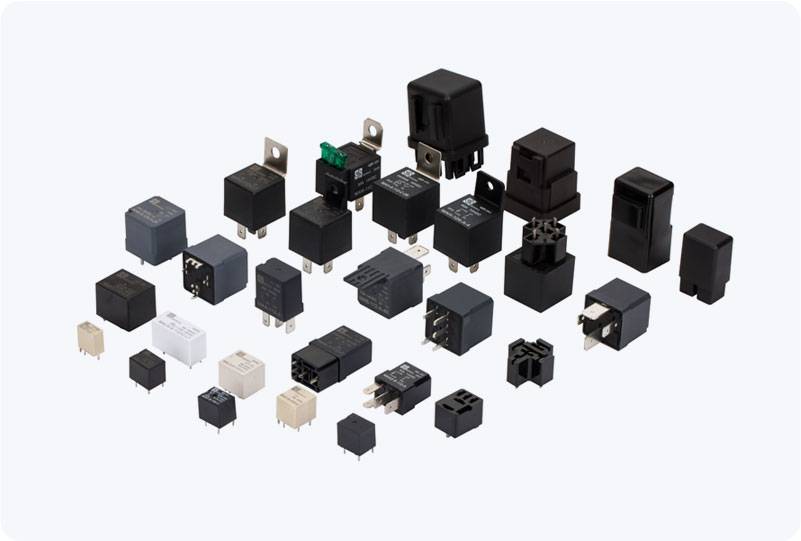
Working Principle The operation of a Vacuum Arc Extinguishing Relay is fundamentally based on the principle of arc extinction in a vacuum environment. Inside the relay, the electrical contacts are housed within a sealed chamber where the air has been evacuated to create a vacuum. The unique properties of this environment prevent the formation of a stable electrical arc, which is crucial in interrupting high-current circuits. When excess current flows through the relay during a fault condition, the contacts experience a separation, resulting in the initiation of an electrical arc. However, the vacuum environment limits the number of gas molecules present, thereby making it difficult for the arc to sustain itself. As the contacts continue to move apart, the arc quickly extinguishes, allowing the relay to safely interrupt the current within milliseconds.