Plastic solenoid valves have emerged as vital components in various fluid control applications, offering a cost-effective, lightweight, and corrosion-resistant solution for managing both liquids and gases. These valves harness electromagnetic forces to regulate flow, making them indispensable in sectors ranging from agriculture to manufacturing. This article explores the working principles, advantages, disadvantages, and applications of plastic solenoid valves.
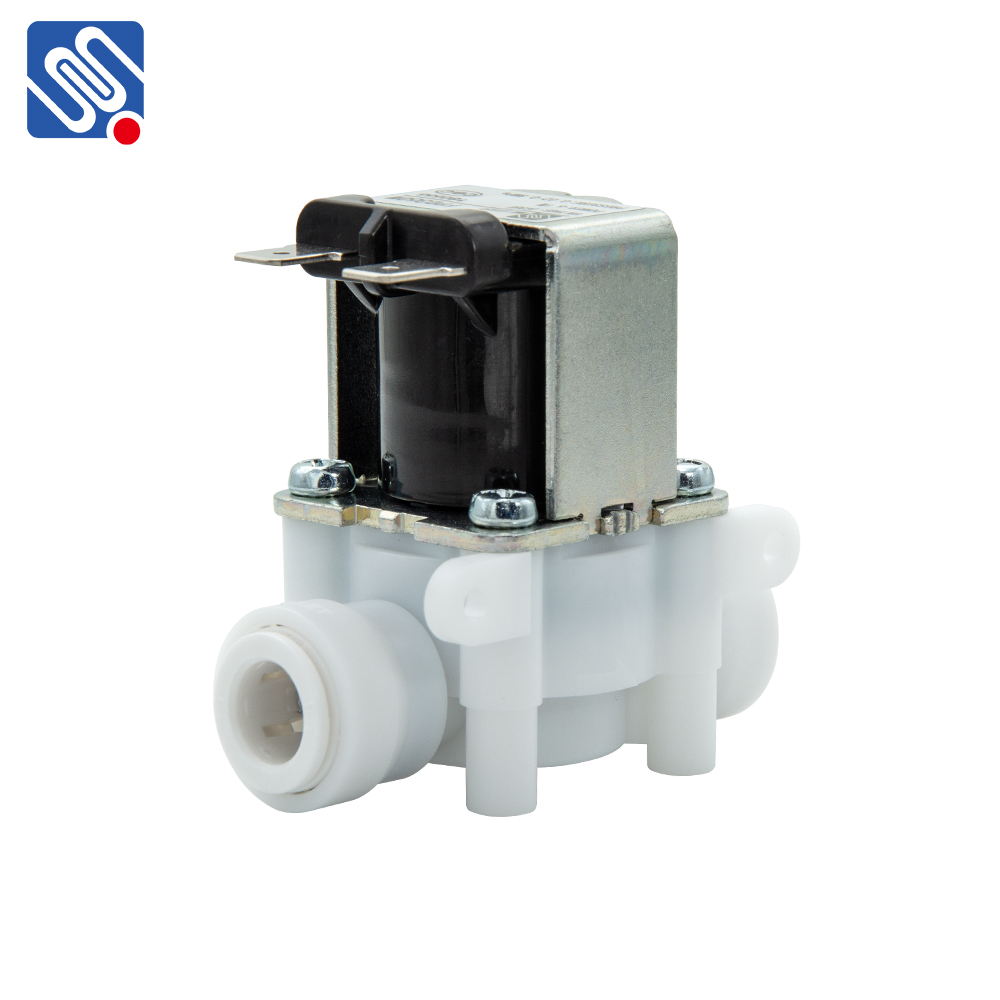
Working Principle A plastic solenoid valve consists of two main parts: the solenoid and the valve body. The solenoid is an electromagnetic coil that, when energized, generates a magnetic field. This magnetic force acts on a movable part of the valve, often referred to as the plunger or armature, causing it to either open or close the valve. Depending on the design, solenoid valves can be classified into two primary types: normally closed (NC) and normally open (NO). An NC valve remains closed when unpowered, preventing fluid flow, while an NO valve allows flow until activated by an electrical current.