A Temperature Control Relay (TCR) is a crucial component in the automation and control systems, designed to maintain a specific temperature range within a system or environment. Whether it’s a heating system, refrigeration unit, or an industrial machine, temperature regulation plays a vital role in ensuring optimal performance, safety, and efficiency. In this article, we will delve into the workings of a Temperature Control Relay, its features, applications, and benefits.
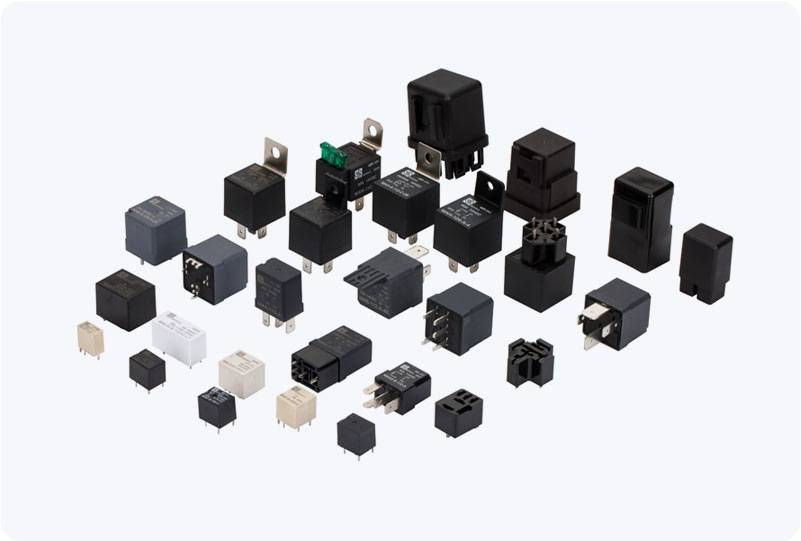
What is a Temperature Control Relay? A Temperature Control Relay is a device that automatically controls the temperature within a designated range. It works by monitoring the temperature using sensors such as thermistors, thermocouples, or integrated circuits. The relay responds to the temperature changes by either opening or closing the circuit to activate or deactivate heating, cooling, or other related systems. The basic operation involves setting a desired temperature range, and once the temperature exceeds or falls below the specified threshold, the relay triggers a response, ensuring that the environment or system stays within the desired temperature range. It can either activate heating systems when temperatures fall below the set point or engage cooling systems when temperatures exceed the set point.