Switch relays are essential components in electrical systems that allow for efficient control and switching of circuits. These devices are used to control high-voltage or high-current circuits using a low-voltage control signal, offering protection to sensitive control circuits. They play a crucial role in various industries, from automotive applications to industrial automation, by ensuring reliable performance and safety.
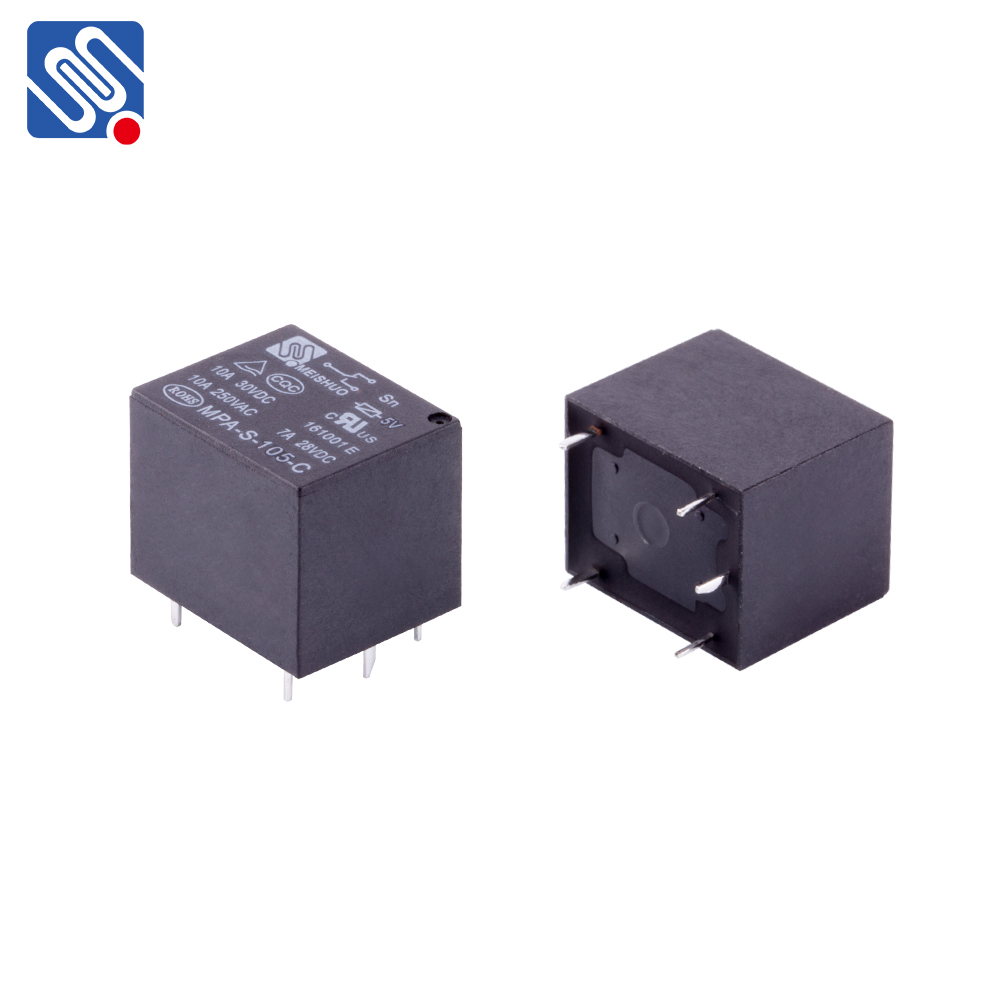
What is a Switch Relay? A switch relay is an electromechanical device designed to open or close an electrical circuit by using an electromagnet to control a set of contacts. When an electrical current flows through the relay’s control coil, it generates a magnetic field that moves a mechanical armature, causing the contacts to either connect or disconnect. This action can switch large currents or voltages on and off, without directly exposing the control circuit to the heavy loads. There are typically two types of contacts in a relay: Normally Open (NO) and Normally Closed (NC). In a Normally Open relay, the contacts are open when the relay is not energized, and when the relay is activated, the contacts close, allowing current to flow. Conversely, in a Normally Closed relay, the contacts are closed by default and open when the relay is energized.