The starter motor relay is a crucial component in the electrical system of an automobile, playing a vital role in the vehicle’s ability to start. This small but significant device acts as a bridge between the car’s battery and the starter motor, ensuring that when the ignition key is turned, power flows correctly to start the engine. In this article, we will delve into the function, operation, common issues, and maintenance of the starter motor relay, illustrating its importance in modern vehicles.
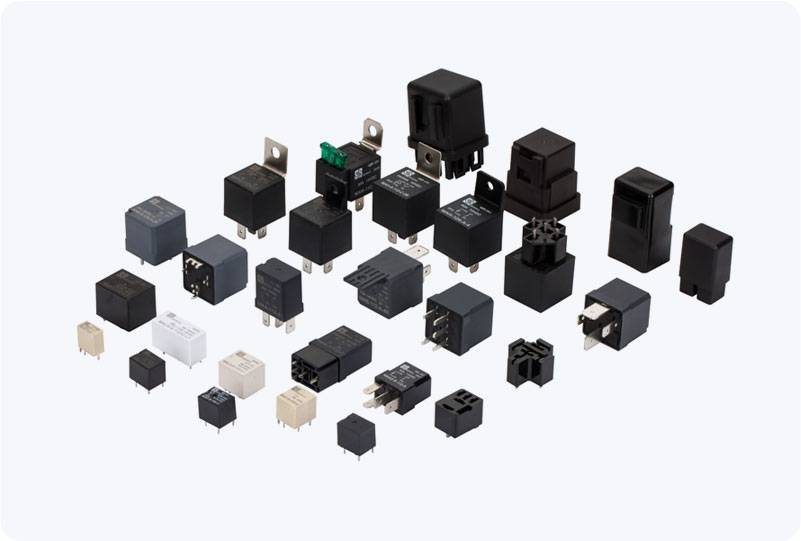
The Function of the Starter Motor Relay The primary function of the starter motor relay is to control the high current needed to power the starter motor while being activated by a lower current signal. When the driver turns the ignition key to the start position, it sends a small electrical signal to the relay. The relay, which is essentially an electromagnetic switch, then closes the circuit between the battery and the starter motor, allowing a substantial electrical current to flow and engage the starter. This system effectively protects other components of the vehicle’s electrical system by using a relay. The relay’s design enables it to handle the high current required by the starter motor without needing to run heavy gauge wires from the ignition switch to the starter. As a result, it minimizes both weight and potential points of failure in the wiring system.