In modern industrial applications, valves play a crucial role in the control and regulation of fluid flow within various systems. Among the many types of valves available, the stainless steel pneumatic ball valve stands out due to its robust design, excellent sealing capabilities, and versatility. This article delves into the features, benefits, and applications of stainless steel pneumatic ball valves, providing a comprehensive overview for professionals and enthusiasts alike.
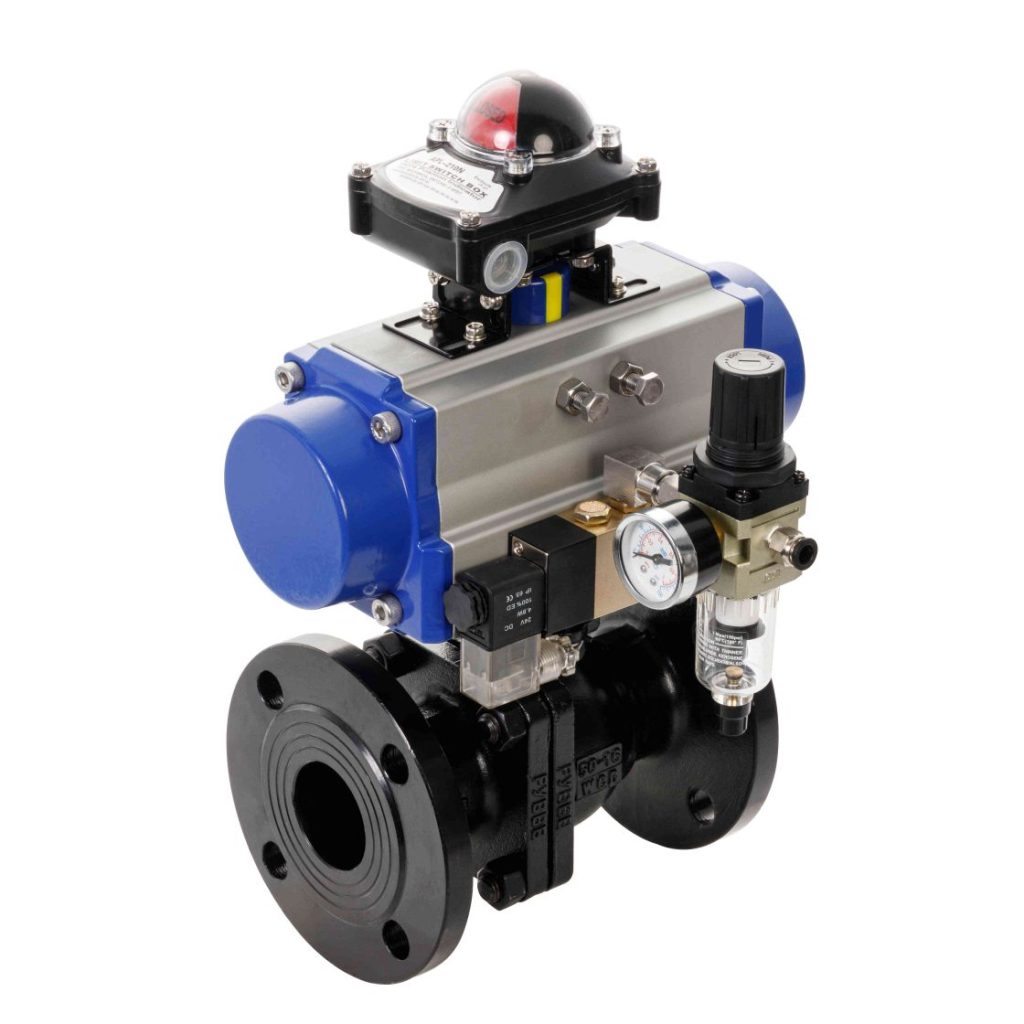
Features of Stainless Steel Pneumatic Ball Valves
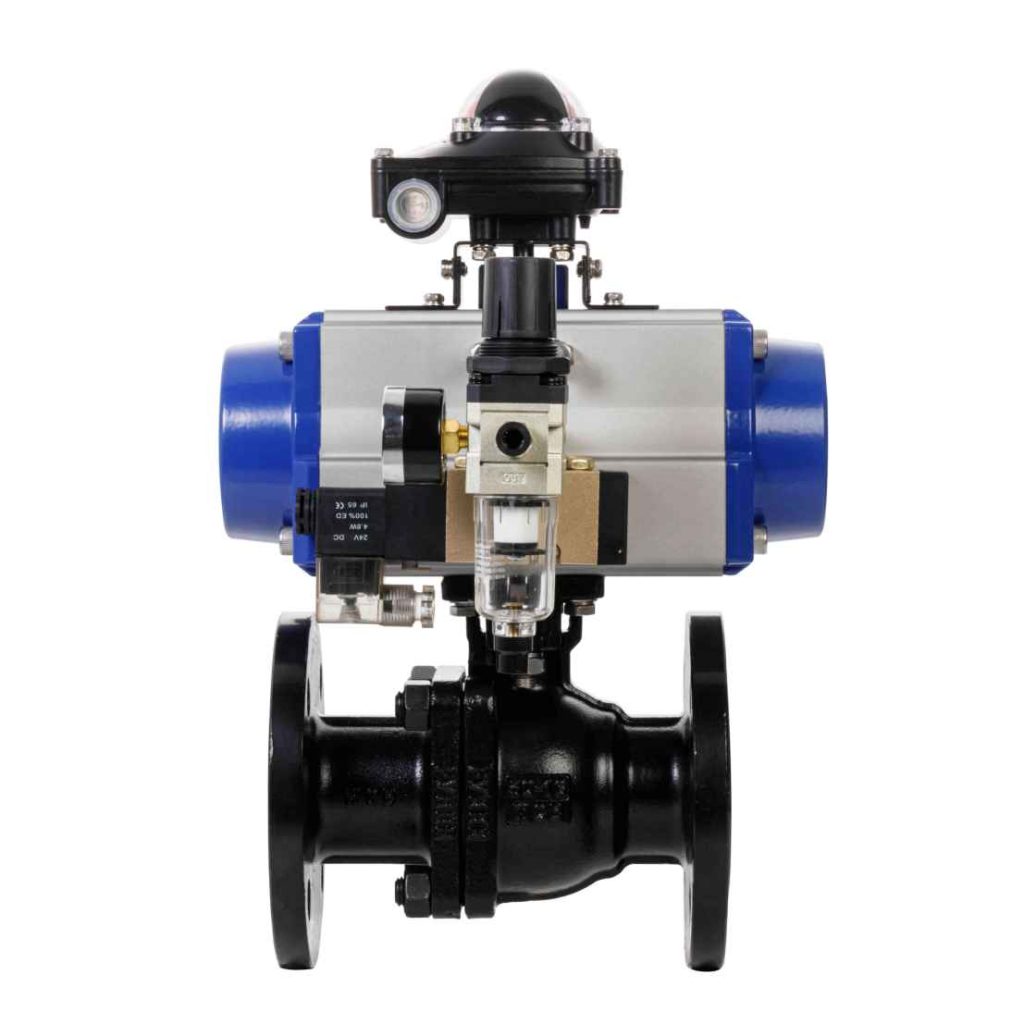
Stainless steel pneumatic ball valves are designed with a variety of features that contribute to their efficiency and reliability. The primary components of these valves include: Ball and Seat Design: The core of the valve consists of a spherical ball with a hole or port through its center. When the ball is rotated, the flow path opens or closes, allowing for precise control of fluid movement. The seats, typically made of high-performance elastomers or PTFE (Teflon), ensure a tight seal when the valve is closed. Pneumatic Actuator: The pneumatic actuator is responsible for converting compressed air into mechanical energy, driving the valve’s opening and closing operations. This actuator can be single-acting or double-acting, providing versatility in application based on the system’s requirements.
