The stainless steel electric pinch valve is a crucial component in modern industrial applications, offering a unique blend of reliability, precision, and versatility. As industries continue to seek efficient and effective means to manage fluid flow, the stainless steel electric pinch valve emerges as a solution that not only meets but exceeds these demands. This article delves into the structure, working principle, advantages, applications, and maintenance considerations of this innovative valve type.
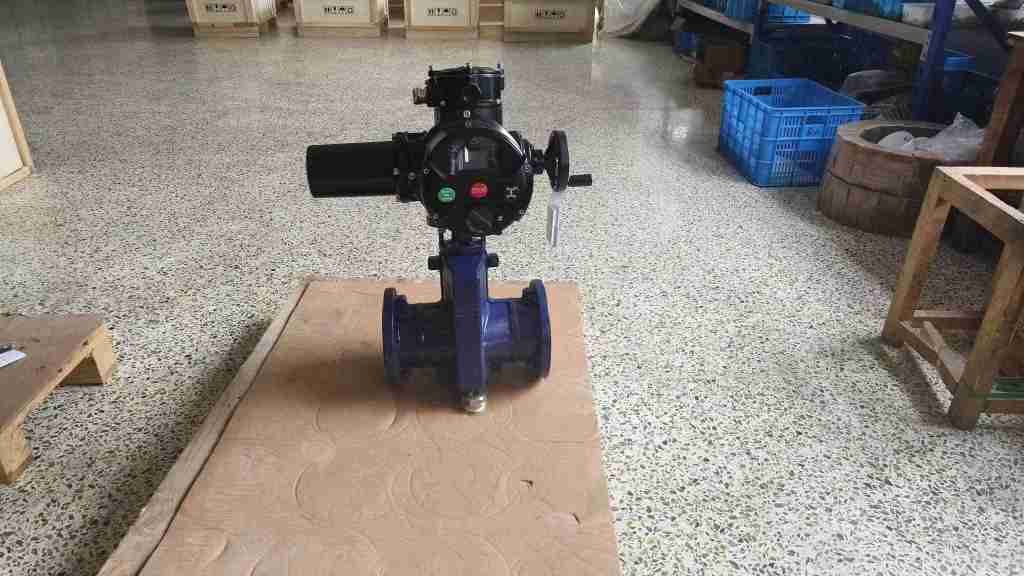
Structure and Working Principle The design of the stainless steel electric pinch valve comprises several key components: the valve body, the soft tube, and the electric actuator. The valve body is typically constructed from high-quality stainless steel, ensuring a robust and corrosion-resistant environment ideal for various industrial settings. Internally, there is a flexible soft tube, usually made from rubber or other elastomeric materials, which is central to the valve’s operation. The principle behind the electric pinch valve is straightforward yet effective. When activated by an electric actuator, the valve’s mechanism generates a force that compresses the soft tube, thereby restricting the flow of fluid passing through. This pinch action is reversed when the actuator disengages, allowing the tube to open and fluid to flow freely. This simple yet effective design allows for precise control over fluid dynamics, making it an optimal choice for many applications.