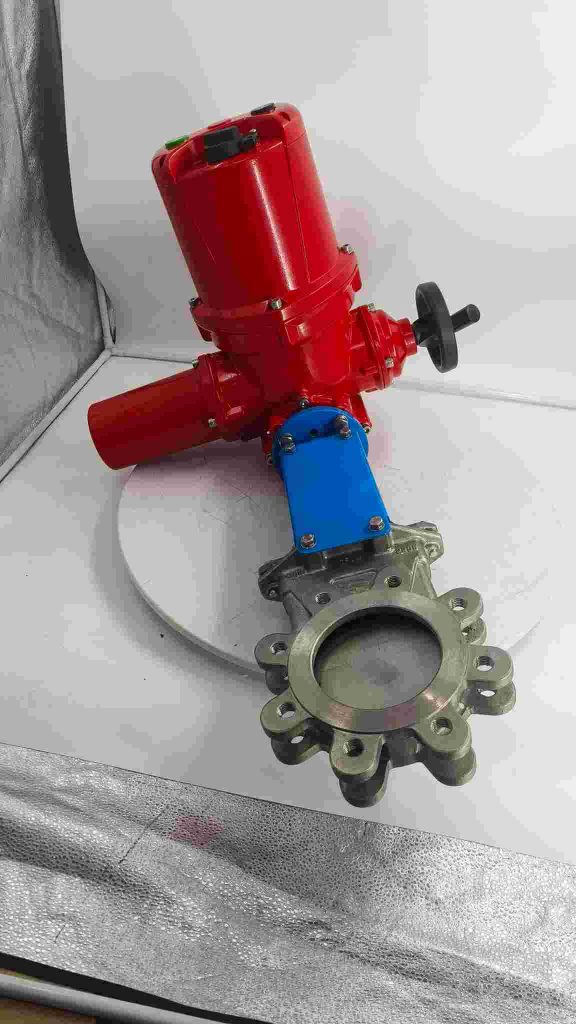
In the realm of fluid control systems, the Stainless Steel Electric Gate Valve stands out as an essential component for a variety of industrial processes. Its combination of durability, reliability, and performance makes it a preferred choice for industries ranging from water treatment to chemical processing. This article delves into the design, functionality, benefits, and applications of the Stainless Steel Electric Gate Valve, highlighting its significance in modern automation.
Design and Construction
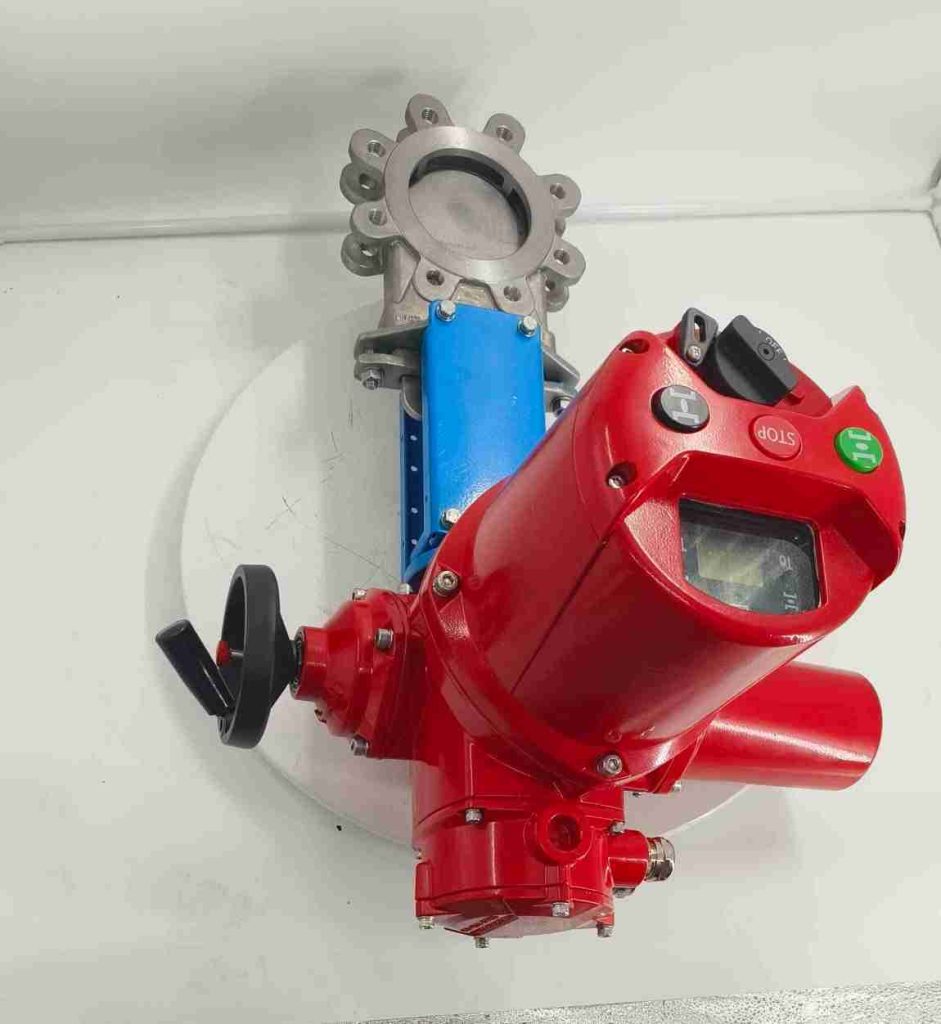
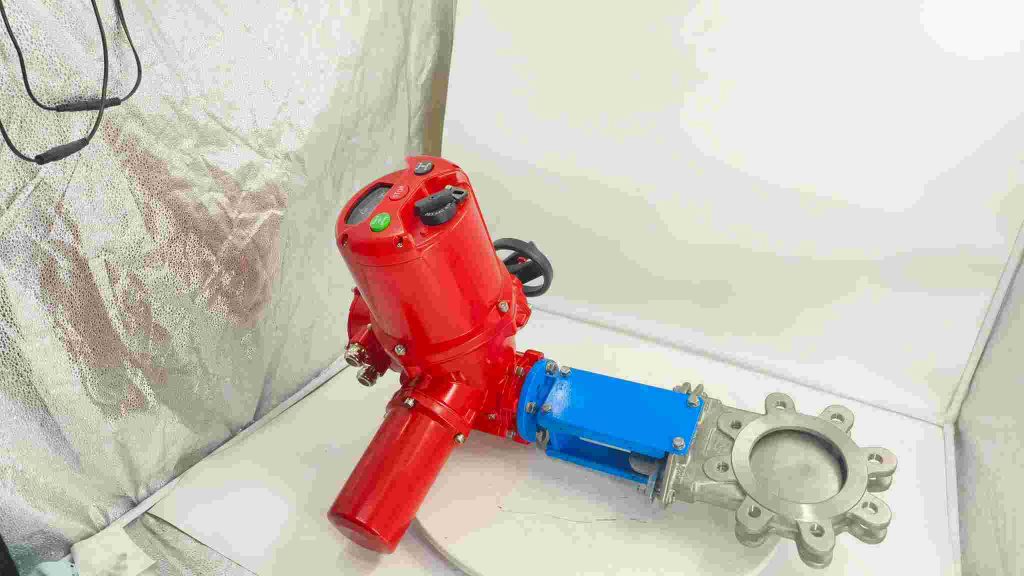
The core structure of a Stainless Steel Electric Gate Valve consists of several key components, including the body, gate, seat, and an electric actuator. The use of stainless steel, known for its excellent resistance to corrosion and high temperatures, ensures that the valve can withstand harsh environments and aggressive media. The valve body is typically designed to create minimal flow resistance when open, allowing for uninterrupted fluid flow. The gate itself functions by sliding perpendicular to the flow path, effectively opening or closing the valve as required. How It Works A Stainless Steel Electric Gate Valve operates through an electric actuator, which is powered by a standard electrical supply. When an external control signal is sent, the actuator either raises or lowers the gate mechanism, allowing or preventing the flow of fluid through the valve. This operation can be manually controlled or fully automated within a larger control system, often integrated with sensors and programmable logic controllers (PLCs) for optimized performance.