In today’s world of advanced electronic systems and high-performance devices, thermal management plays a crucial role in ensuring the proper functioning and longevity of the equipment. Among the key components in this process is the Thermal Management Relay (TMR), a device that helps control and regulate temperature, preventing overheating and ensuring that the systems continue to operate efficiently. This article delves into the importance, functionality, and applications of thermal management relays in various industries, highlighting how they contribute to the safety and performance of electronic devices.
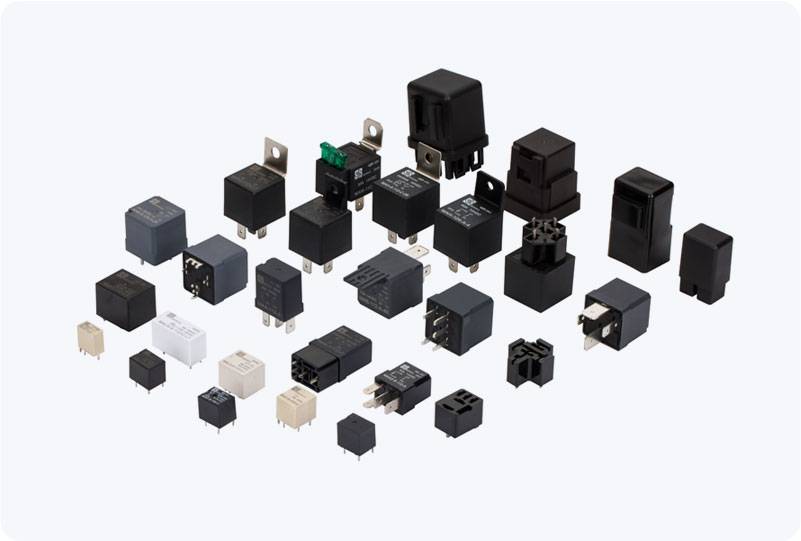
What is a Thermal Management Relay? A Thermal Management Relay is an electronic component designed to monitor and control the temperature within a system. It acts as a safeguard by detecting when a system or part of a system reaches a certain temperature threshold and subsequently triggering actions to mitigate the risk of overheating. These actions could include disconnecting power, activating cooling systems, or initiating protective measures to avoid damage to sensitive components. Typically, TMRs are integrated into power circuits and work in conjunction with temperature sensors. The relay uses a feedback mechanism to determine when a temperature exceeds safe operating limits and responds by switching the circuit on or off. This ensures that the system can maintain an optimal operating temperature without the risk of thermal degradation.