In recent years, the demand for lithium-ion batteries has surged, thanks to their use in a wide range of applications, from consumer electronics like smartphones and laptops to electric vehicles (EVs) and large-scale energy storage systems. While these batteries offer impressive energy storage capacity and long-lasting performance, they also come with certain risks, especially in cases of overcharging, overheating, or physical damage. One crucial component that ensures the safe operation of lithium-ion batteries is the Stainless Steel Lithium Battery Valve. This small but significant safety feature helps protect both the battery and the user by regulating pressure within the battery cells and preventing catastrophic failures.
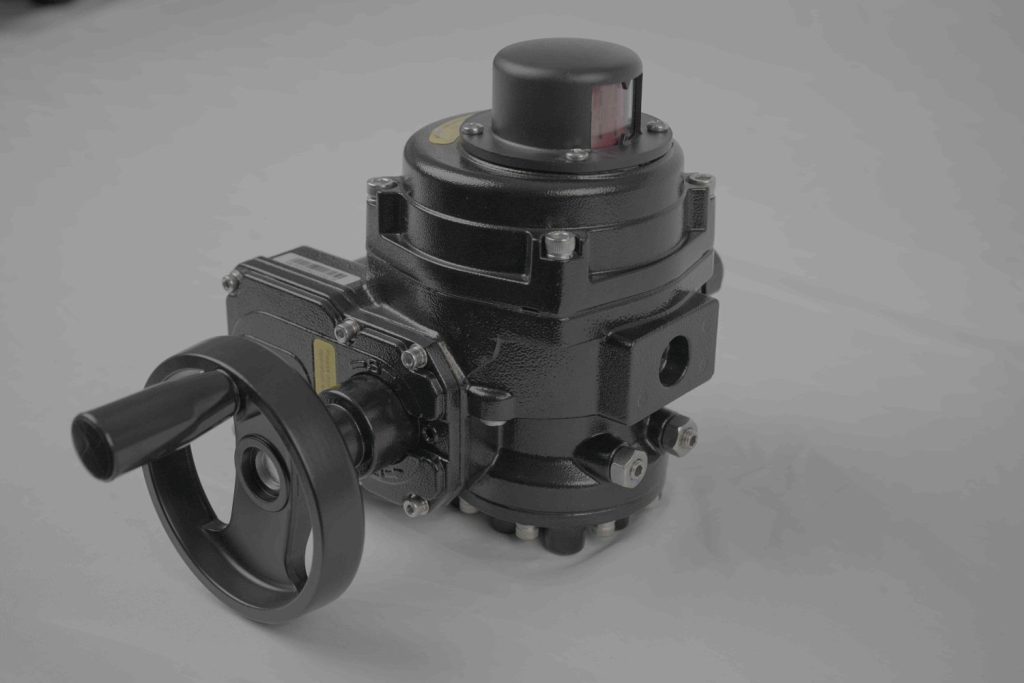
What is a Stainless Steel Lithium Battery Valve? A Stainless Steel Lithium Battery Valve is a pressure relief valve designed to protect lithium-ion batteries from excessive internal pressure, which can result from a variety of factors such as overcharging, short-circuiting, or thermal runaway. The valve is typically made from stainless steel for its excellent resistance to corrosion, strength, and durability. This material choice ensures that the valve can withstand high pressures and temperatures, while also maintaining a long lifespan, even in demanding environments. The primary role of the valve is to relieve pressure when it exceeds a safe threshold, allowing the gas or electrolyte vapors inside the battery to vent in a controlled manner. By doing so, it prevents the risk of battery rupture or explosion, which could pose serious safety hazards. The valve is designed to remain sealed under normal operating conditions, only opening when the pressure inside the battery becomes dangerously high.