Electric vehicles (EVs) have revolutionized the automotive industry by offering an eco-friendly and efficient alternative to traditional internal combustion engine vehicles. However, with high-voltage battery systems at their core, EVs come with unique electrical challenges, one of which is managing the inrush current when the system is powered on. This is where the Precharge Relay for EV plays a crucial role in ensuring the safety and longevity of the vehicle’s electrical components.
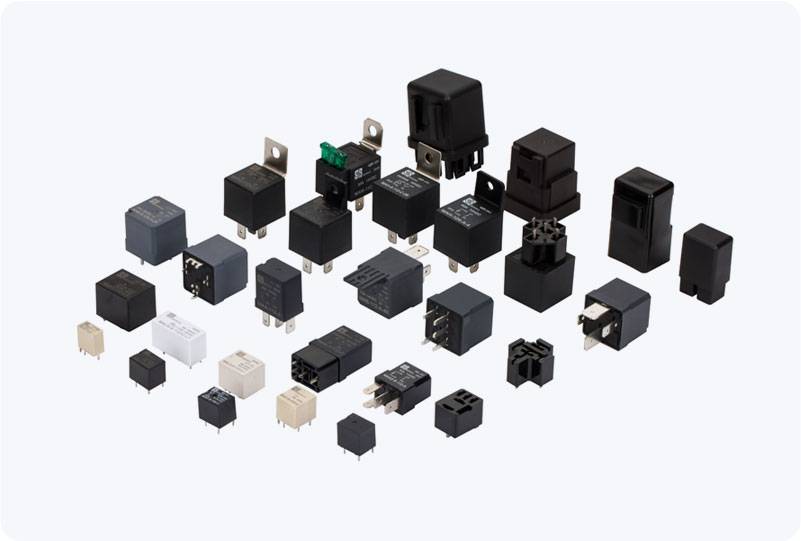
What is a Precharge Relay for EV? A precharge relay for electric vehicles is a device designed to manage the initial surge of current that occurs when high-voltage components, such as the battery pack or electric motor, are powered on. The precharge relay allows the electrical system to gradually charge capacitors and other high-voltage components, limiting the inrush current and preventing damage to sensitive parts. It is especially vital in high-power systems, where a sudden influx of current could cause components to overheat or fail. The relay works by temporarily providing a low current through a resistive circuit to charge the capacitors in the powertrain and power electronics. Once the voltage stabilizes, the precharge relay closes fully, allowing the system to operate normally with full current.