OEM Plastic Solenoid Valves are an essential component in fluid control systems, used across various industries for their durability, cost-effectiveness, and versatility. These valves play a critical role in automating the regulation of gases, liquids, and steam. Made from high-performance plastics, these solenoid valves offer several advantages over their metal counterparts, making them a preferred choice in specific applications, especially in industries where corrosion resistance and weight are crucial factors. In this article, we will explore the features, benefits, and common applications of OEM plastic solenoid valves.
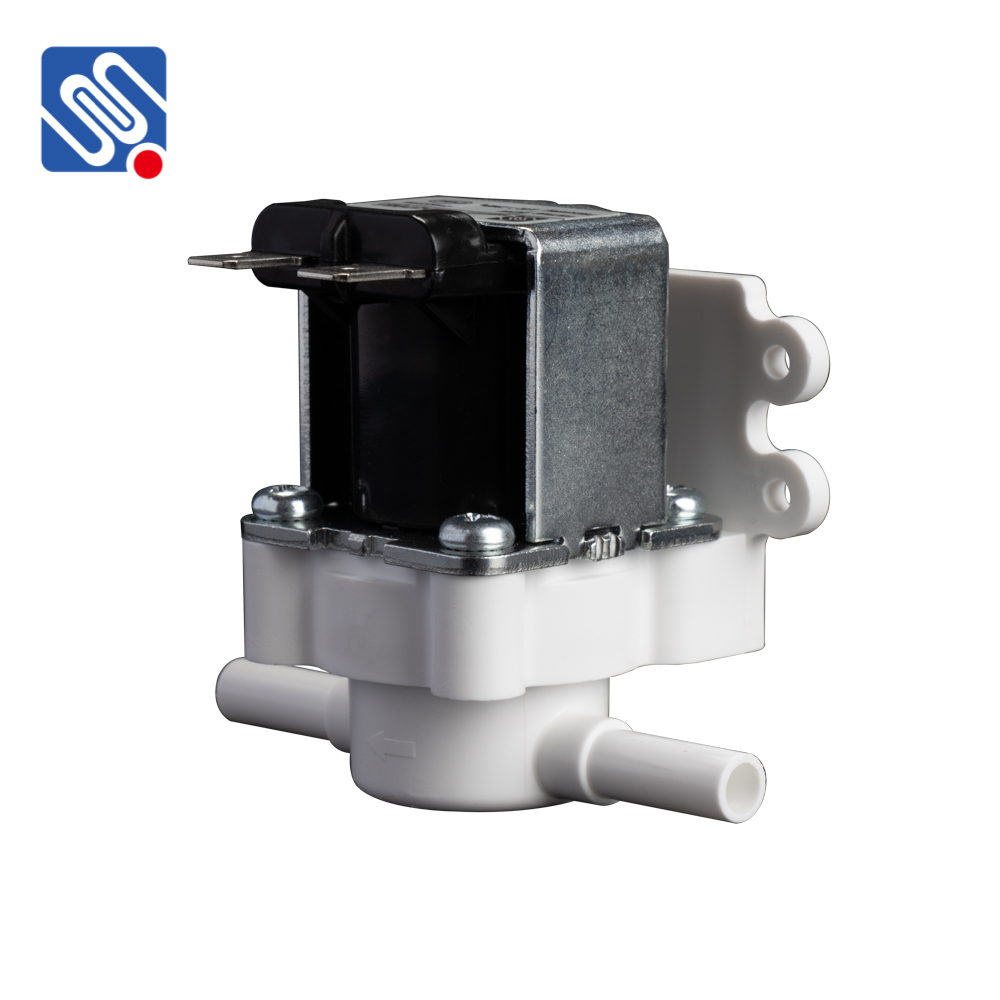
What is an OEM Plastic Solenoid Valve? An OEM Plastic Solenoid Valve is a device that uses an electromagnetic solenoid to control the flow of fluids. When an electric current is applied to the solenoid, it generates a magnetic field, which activates the valve, either opening or closing the fluid flow. These valves are made primarily of durable plastics such as polypropylene (PP), polyvinylidene fluoride (PVDF), and polytetrafluoroethylene (PTFE), which provide high chemical resistance and are ideal for handling aggressive chemicals or fluids that could corrode metal components. The term “OEM” refers to Original Equipment Manufacturer, meaning that these solenoid valves can be customized according to specific industrial requirements. This allows manufacturers to incorporate these valves into larger systems, ensuring optimal performance and reliability.