Motor Control Power Relays (MCPRs) are integral components in modern electrical systems, ensuring the safe and efficient operation of motors, particularly in industrial and commercial applications. These relays are designed to control the power supply to motors, providing crucial protection against overloads, short circuits, and other electrical faults. By acting as a safeguard, MCPRs help prevent damage to both the motor and associated electrical components, thereby extending the life of the motor and maintaining system reliability.
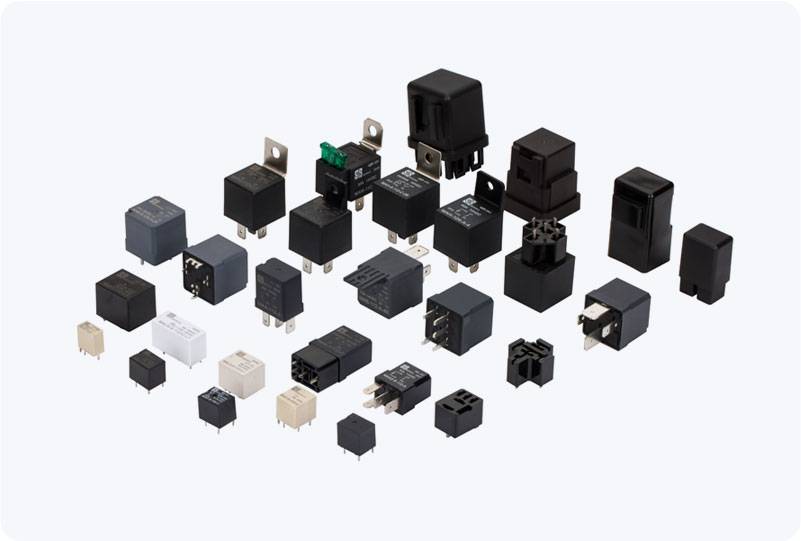
The Functionality of Motor Control Power Relays A Motor Control Power Relay is essentially an electromagnetic switch that controls the flow of electricity to an electric motor. It is often used in combination with other devices, such as contactors and overload relays, to provide complete motor protection. MCPRs monitor the motor’s operation, ensuring that the motor is running under safe conditions by detecting faults and disconnecting power when necessary. One of the primary functions of MCPRs is to protect the motor from overload situations. Overloads can occur when the motor is subjected to excessive mechanical load, causing it to draw more current than it is designed to handle. If this occurs, the MCPR will trip, disconnecting the power supply to the motor and preventing any damage to the motor windings. This helps to preserve the motor’s performance and prevent premature failure.