Electromechanical switches are fundamental components in a wide range of electronic systems and devices. These switches combine mechanical and electrical systems to control the flow of electricity through a circuit. By providing a simple mechanism to open or close electrical paths, electromechanical switches play a critical role in everything from household appliances to complex industrial automation systems. In this article, we will explore the various types of electromechanical switches, their functions, and their significance in modern electronics.
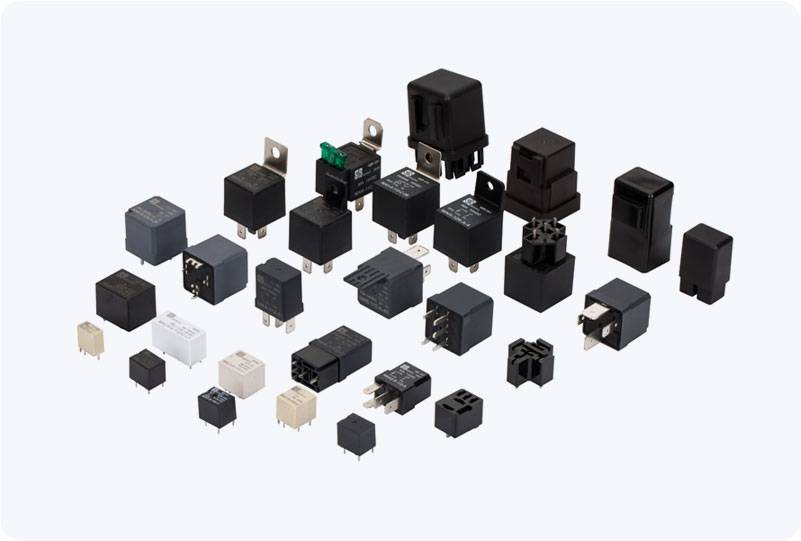
What is an Electromechanical Switch? An electromechanical switch is a device that uses mechanical movement to control the flow of electrical current. It typically consists of physical components like levers, buttons, or dials that, when operated, either complete or break an electrical circuit. The simplicity of this design makes electromechanical switches reliable and easy to use, which is why they are still in widespread use despite the rise of more sophisticated electronic switches. The primary function of an electromechanical switch is to either complete or interrupt an electrical path in a circuit. When the switch is activated—whether by pressing a button, flipping a toggle, or turning a knob—the electrical contacts either connect (closing the circuit) or disconnect (opening the circuit) to allow or stop the flow of electricity.