Circuit Breaker Relays are essential components in modern electrical systems, ensuring safety and preventing damage to electrical equipment. These devices integrate the functionalities of both circuit breakers and relays, providing protection against electrical faults like overloads and short circuits. In this article, we will explore the working principles, applications, advantages, and key features of Circuit Breaker Relays, shedding light on why they are a critical element in electrical safety.
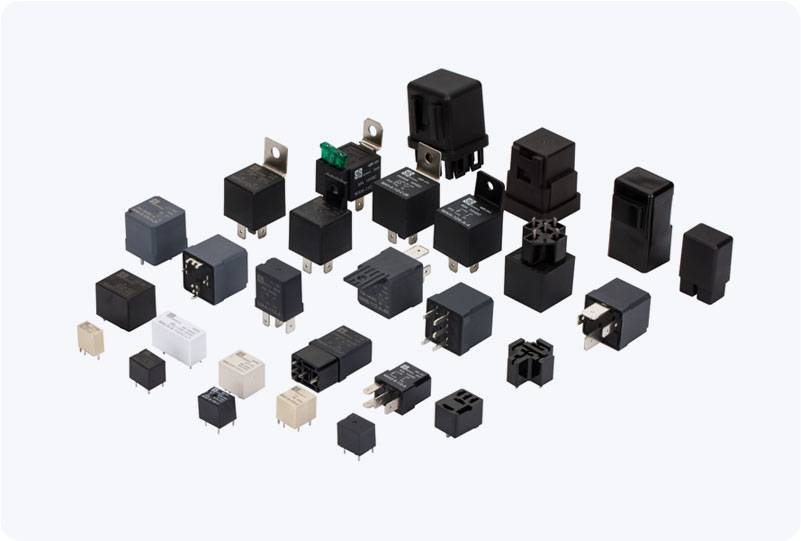
What is a Circuit Breaker Relay? A Circuit Breaker Relay is a device that combines the protective features of a circuit breaker and a relay. The relay functions to monitor and detect electrical anomalies such as overcurrent, short circuits, or voltage fluctuations. Upon detecting a fault, the relay triggers the circuit breaker to interrupt the circuit and isolate the affected area, thereby preventing further damage to the electrical system. This combination ensures both rapid detection and quick action in response to potential hazards in an electrical network. How Does a Circuit Breaker Relay Work?