Miniature relays, as the name suggests, are small-sized electromechanical switches used to control circuits and devices in various applications. They offer high performance in a compact form, which makes them indispensable in areas where space and energy efficiency are crucial. With the increasing miniaturization of electronic devices, miniature relays have become a cornerstone in fields ranging from automotive systems to household appliances. This article explores the working principles, applications, and benefits of miniature relays, highlighting their importance in modern electronics.
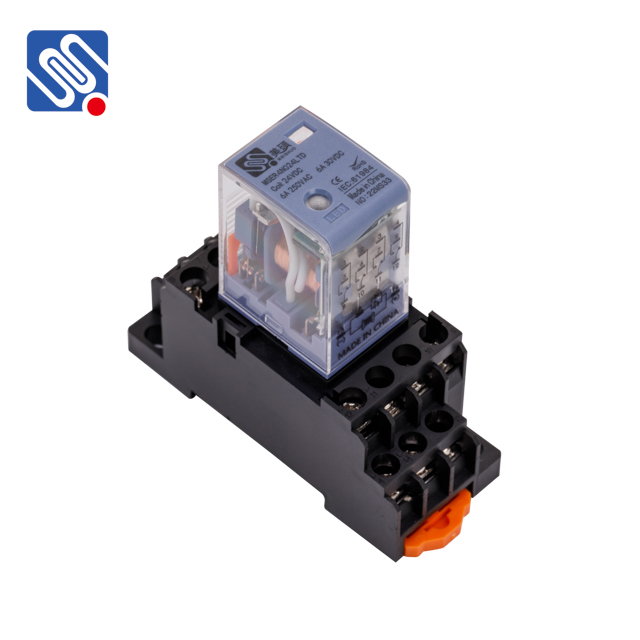
What is a Miniature Relay? A miniature relay is an electromechanical device that uses an electromagnetic coil to open or close contacts within a circuit. The basic components of a miniature relay include the coil (electromagnet), a set of movable and stationary contacts, and an armature. When an electrical current flows through the coil, it generates a magnetic field that attracts the armature, causing the contacts to either connect (close) or disconnect (open) the circuit. This on/off switch mechanism allows the relay to control higher-power devices with low-power control signals. Due to their small size, miniature relays are designed to handle relatively low currents and voltages compared to their larger counterparts. They are typically available in single-pole, double-pole, and various multi-contact configurations to meet the requirements of different applications.