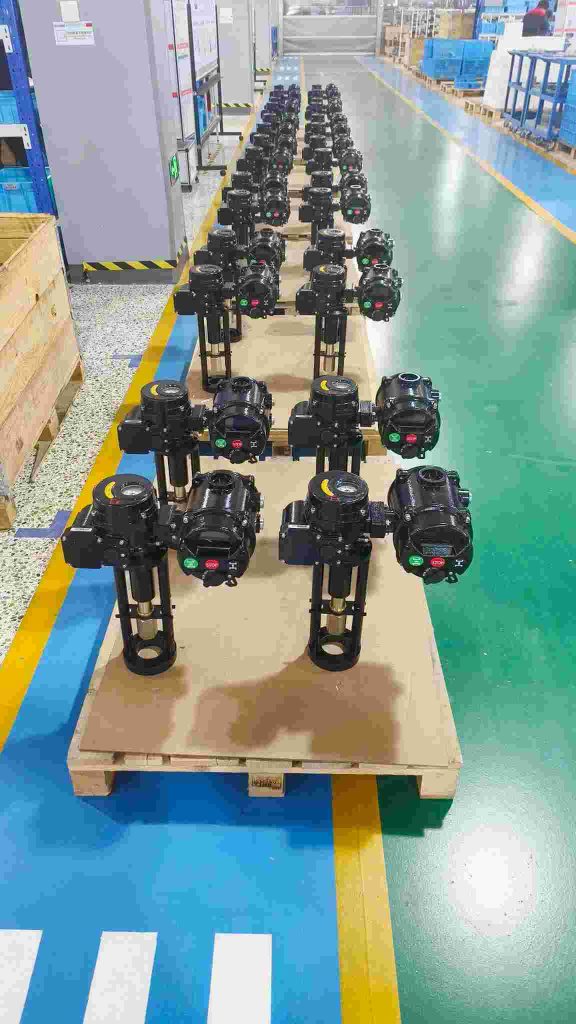
In the world of automation and control systems, the Intelligent Integrated Electric Actuator (IIEA) has emerged as a revolutionary technology that combines traditional electric actuation with advanced intelligence. By integrating the actuator, control system, sensor, and communication interfaces into a single compact unit, the IIEA enhances operational efficiency, precision, and flexibility. This article explores the features, advantages, and applications of intelligent integrated electric actuators, shedding light on their growing role in modern industries.
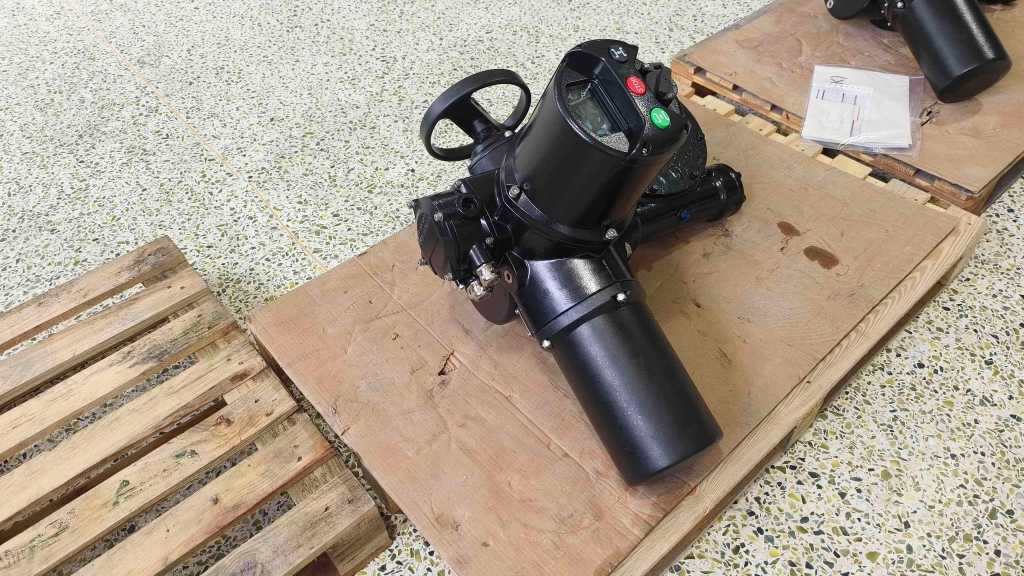
What is an Intelligent Integrated Electric Actuator?
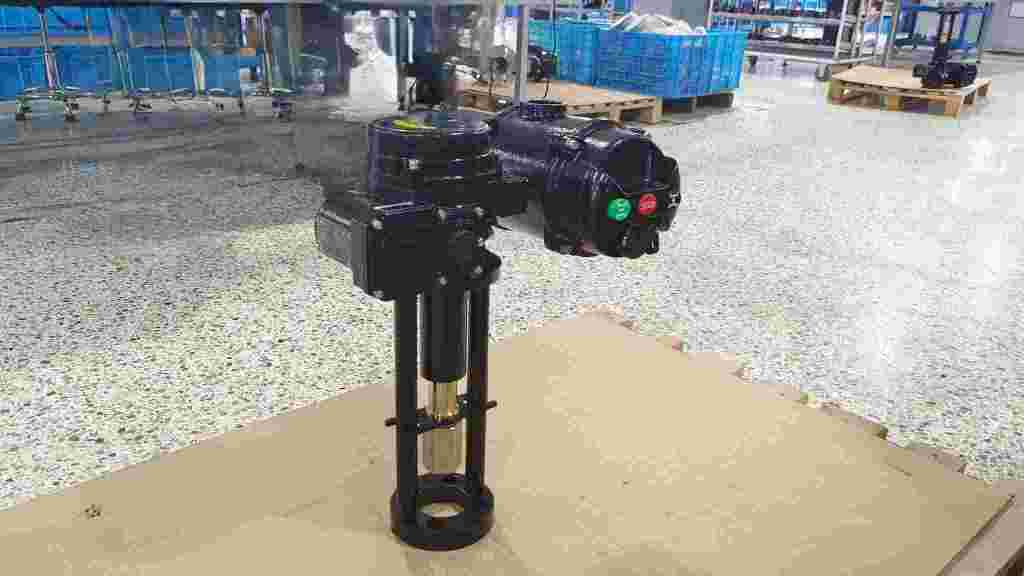
An Intelligent Integrated Electric Actuator is a sophisticated device that integrates an electric motor with a controller, sensors, and communication capabilities. Unlike conventional electric actuators, which require separate components for control and feedback, the IIEA combines all the essential elements into a single unit. This integration not only reduces the complexity of installation but also improves the overall performance of the actuator. The primary function of an electric actuator is to convert electrical energy into mechanical motion to control various systems. In a traditional setup, an actuator typically requires an external controller or manual adjustments to achieve the desired position or motion. However, intelligent integrated actuators are equipped with built-in intelligence, allowing them to respond to real-time data and adapt to changing conditions automatically.