The relay is an essential component in various electrical and electronic systems, serving as a switch that opens and closes circuits. Given their critical role, understanding how to effectively procure relays can greatly impact the reliability and performance of a system. This article serves as a comprehensive Relay Procurement Guide aimed at assisting procurement professionals, engineers, and technical teams in making informed decisions when selecting and purchasing relays.
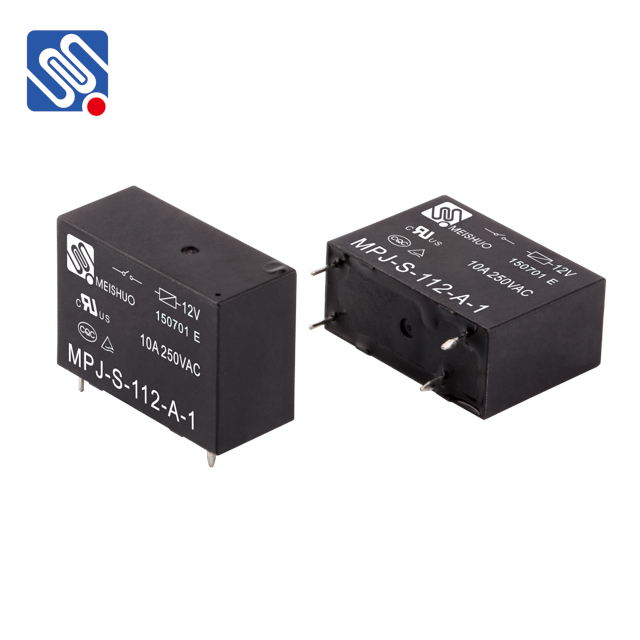
Define Your Needs The first step in the procurement process involves a thorough analysis of your needs. Understanding the application where the relay will be used is crucial. Factors such as the type of load—be it resistive, inductive, or capacitive—should guide your selection. Other important considerations include the required voltage and current ratings, as these will determine the relay’s operational capabilities. Choose the Right Type of Relay Relays come in various types, each suited for different applications. Here are some common relay types to consider: Electromechanical Relays (EMR): Known for their robustness and simple operation, EMRs are ideal for general switching duties but may have slower response times and mechanical wear concerns.