A Relay Control System is an electrical control system that utilizes relays to regulate and manage the flow of electrical current to different components in various electrical circuits. Relays are electrically operated switches that can either open or close a circuit based on control signals. These systems are crucial in industrial automation, electrical engineering, and even in household appliances for managing power distribution efficiently and safely. In this article, we will explore the working principle, applications, and benefits of relay control systems.
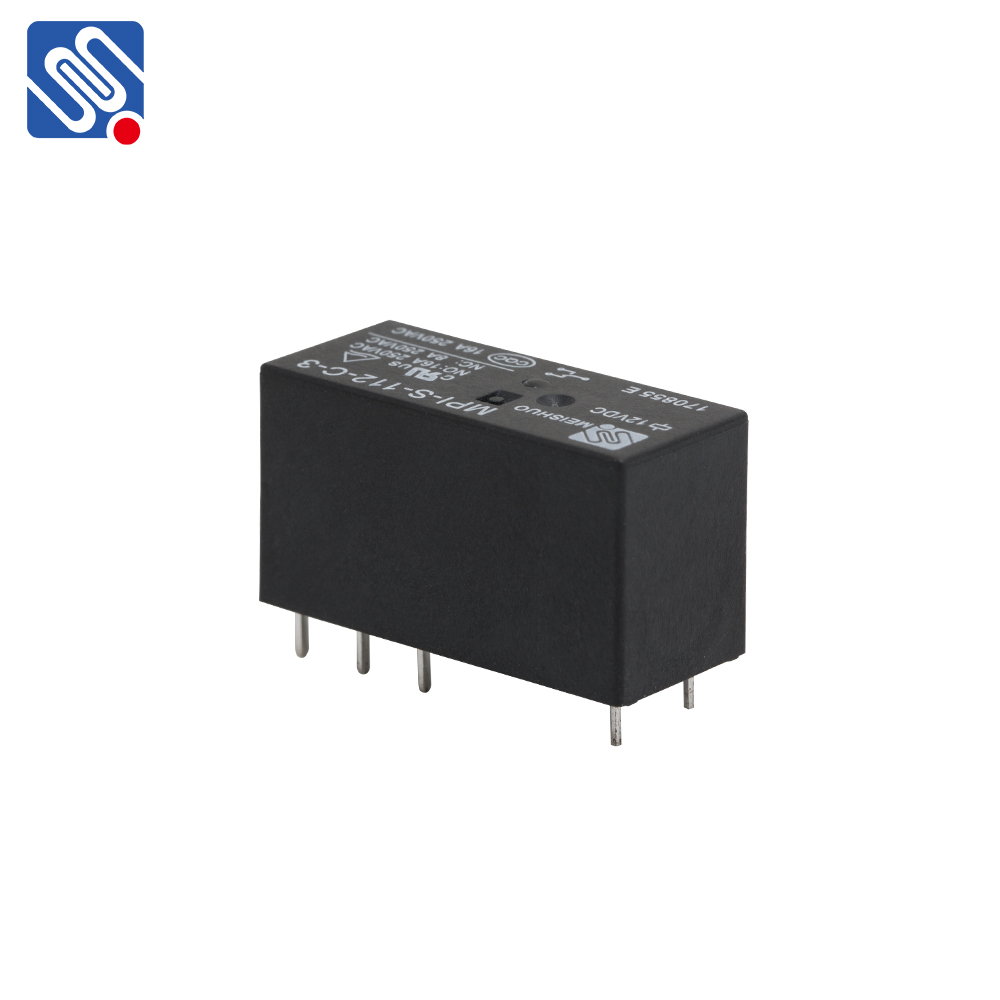
How a Relay Control System Works At the core of a relay control system is the relay itself. A relay is an electromagnetically controlled switch that allows a low-power circuit to control a high-power circuit. When the control circuit sends a current to the relay’s coil, it generates a magnetic field that either opens or closes the switch, thereby controlling the flow of electricity in the connected circuit. The main advantage of using relays is their ability to provide electrical isolation between the control circuit and the power circuit, ensuring safety and preventing damage to sensitive components.