The Relay Control System plays a vital role in various automation and control processes across industries. This electrical system, which utilizes relays as its primary components, is designed to control electrical circuits with minimal human intervention. Relays are electrically operated switches that open or close their contacts to control a connected circuit, allowing the control of large electrical loads with a small control signal. In this article, we will explore the basic principles of relay control systems, their types, and the diverse applications they serve.
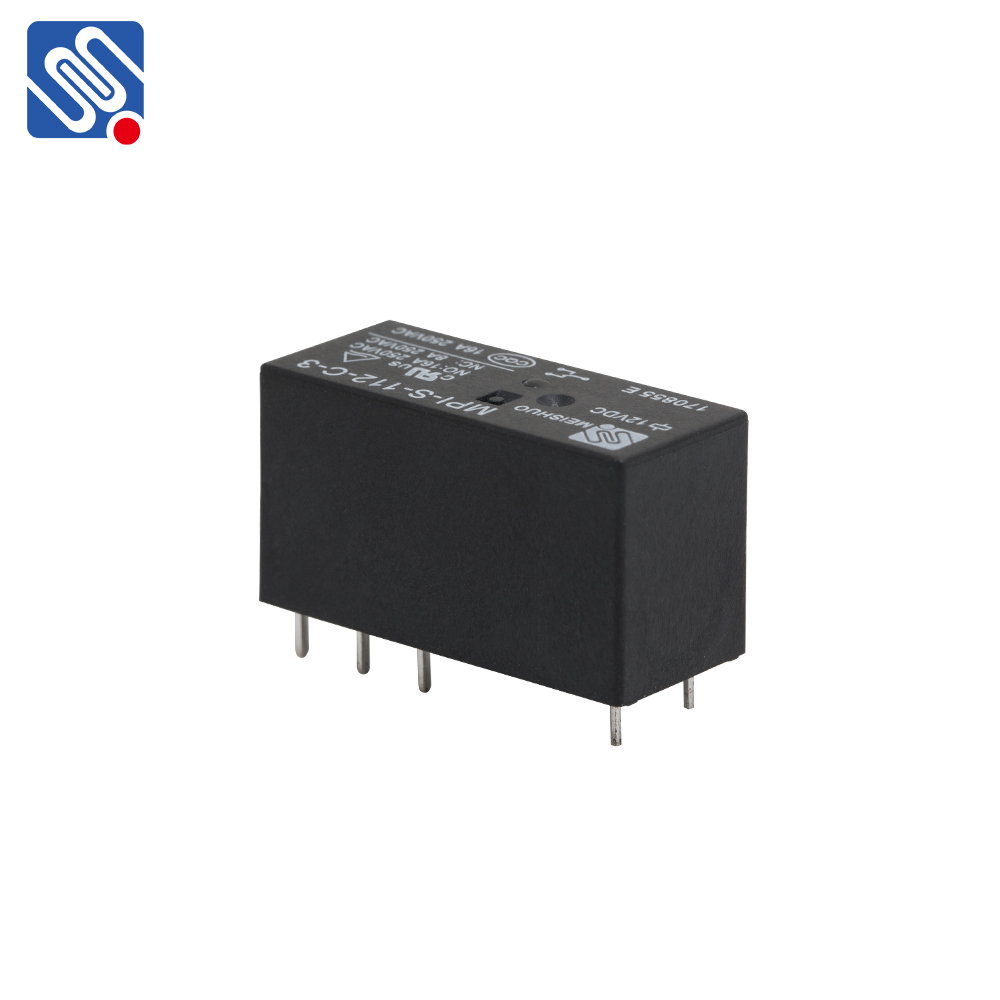
What is a Relay Control System? A Relay Control System operates by using relays to manage the operation of electrical circuits. A relay is a switching device that opens or closes contacts in response to an electrical input, often from a low-power signal, to control a high-power circuit. The system usually consists of an external control signal (which can be from a switch, sensor, or other automation systems), the relay itself, and the circuit or load that the relay controls. When the relay is energized by the control signal, it completes or interrupts the flow of electricity to the connected device, thus controlling the operation of electrical equipment such as motors, lights, or alarms.