A relay circuit is a fundamental electronic component used in numerous automation and control systems. It provides electrical isolation between control circuits and power circuits, making it essential for safely controlling high-voltage systems with low-voltage control signals. This article will explore the core principles of relay circuits, their components, and some common applications across various industries.
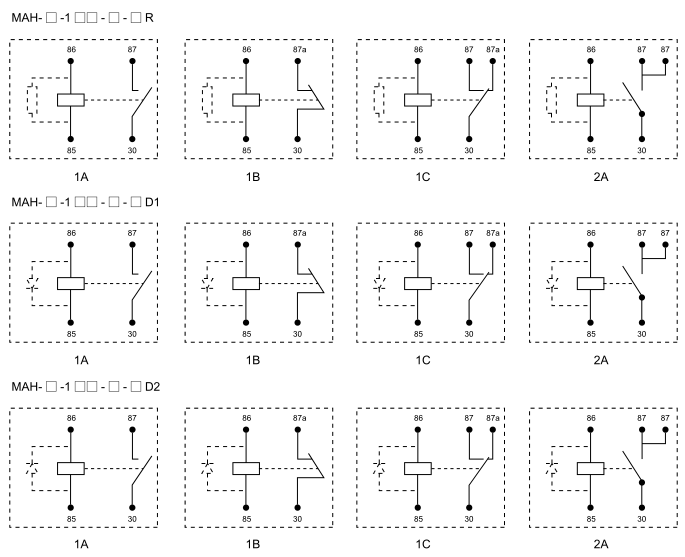
What is a Relay Circuit? A relay is an electromechanical switch that allows a small electrical signal to control a larger electrical current. It operates on the principle of electromagnetism: when an electric current passes through a coil, it generates a magnetic field that attracts a movable armature, which in turn opens or closes electrical contacts. This allows the relay to control a secondary circuit, enabling or disabling the flow of electricity depending on the state of the contacts. Relays are used to control circuits in which the switching of high-power or high-voltage devices is needed without exposing the control circuit to dangerous voltages. In essence, a relay isolates the control side from the power side, ensuring safety and reliability in various applications.