The Plastic Water Solenoid Valve is a critical component used across various industries for fluid control. It operates on an electromechanical principle, allowing for the automated and precise control of water flow through piping systems. Ideal for both residential and industrial applications, these valves are designed to serve a myriad of purposes, from irrigation systems to water purification processes. In this article, we will delve into the characteristics, applications, and advantages of Plastic Water Solenoid Valves.
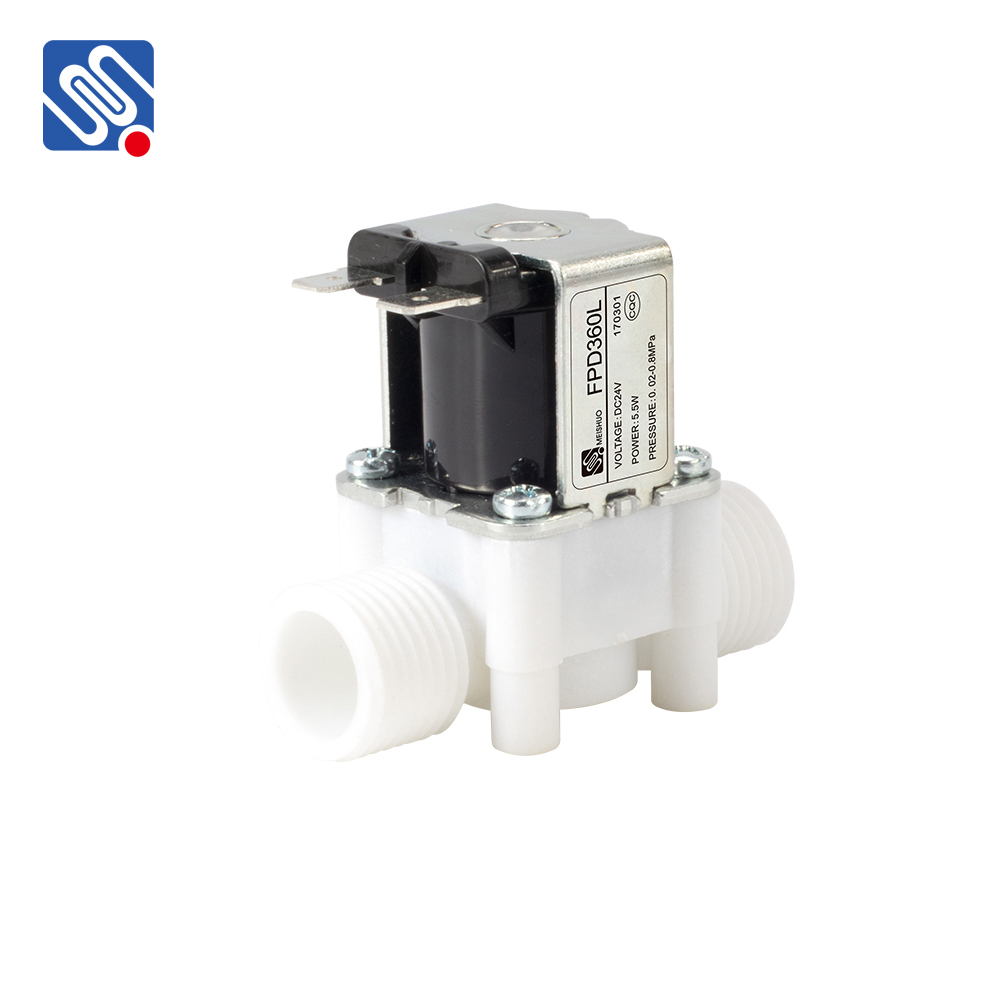
What is a Plastic Water Solenoid Valve? A plastic water solenoid valve is an electrically operated valve that regulates the flow of water within a system. It is composed of a valve body, which is typically made from durable plastic materials such as polyvinyl chloride (PVC), polypropylene (PP), or polyethylene (PE). The valve’s core component is an electromagnetic coil that, when energized, creates a magnetic field to open or close the valve, thus controlling water flow. Features of Plastic Water Solenoid Valves Material Composition: The use of plastic makes these valves resistant to corrosion and degradation, particularly beneficial when dealing with corrosive fluids or harsh environmental conditions. Additionally, the lightweight nature of plastic facilitates easier installation and handling.